
Thyroid Function and Fertility: TSH, TPO Antibodies and What to Ask Before IVF
A practical guide to thyroid testing before conception and IVF: what TSH, free T4 and antibodies can and cannot tell you, how untreated hypo- and hyperthyroidism affect fertility, and when to repeat tests. Includes a pre-cycle timeline, clinic-comparison caveats and questions for your care teams.
Why thyroid function belongs on your preconception checklist
Thyroid hormone influences ovulation, the uterine lining, early embryo development and the way your body handles pregnancy. Because symptoms such as fatigue, weight change, anxiety, irregular periods and cold intolerance are common in the general population, thyroid disease is often discovered only when a routine blood test is done. For people planning a pregnancy or starting IVF, that is a practical reason to review thyroid results early rather than treat them as an afterthought.
This article is an educational overview, not a diagnosis or a treatment plan. Reference ranges, targets and medication decisions differ by laboratory, assay, trimester, symptoms and medical history. A board-certified endocrinologist or reproductive endocrinology and infertility (REI) specialist should interpret your own results.
What the tests measure, and what they do not
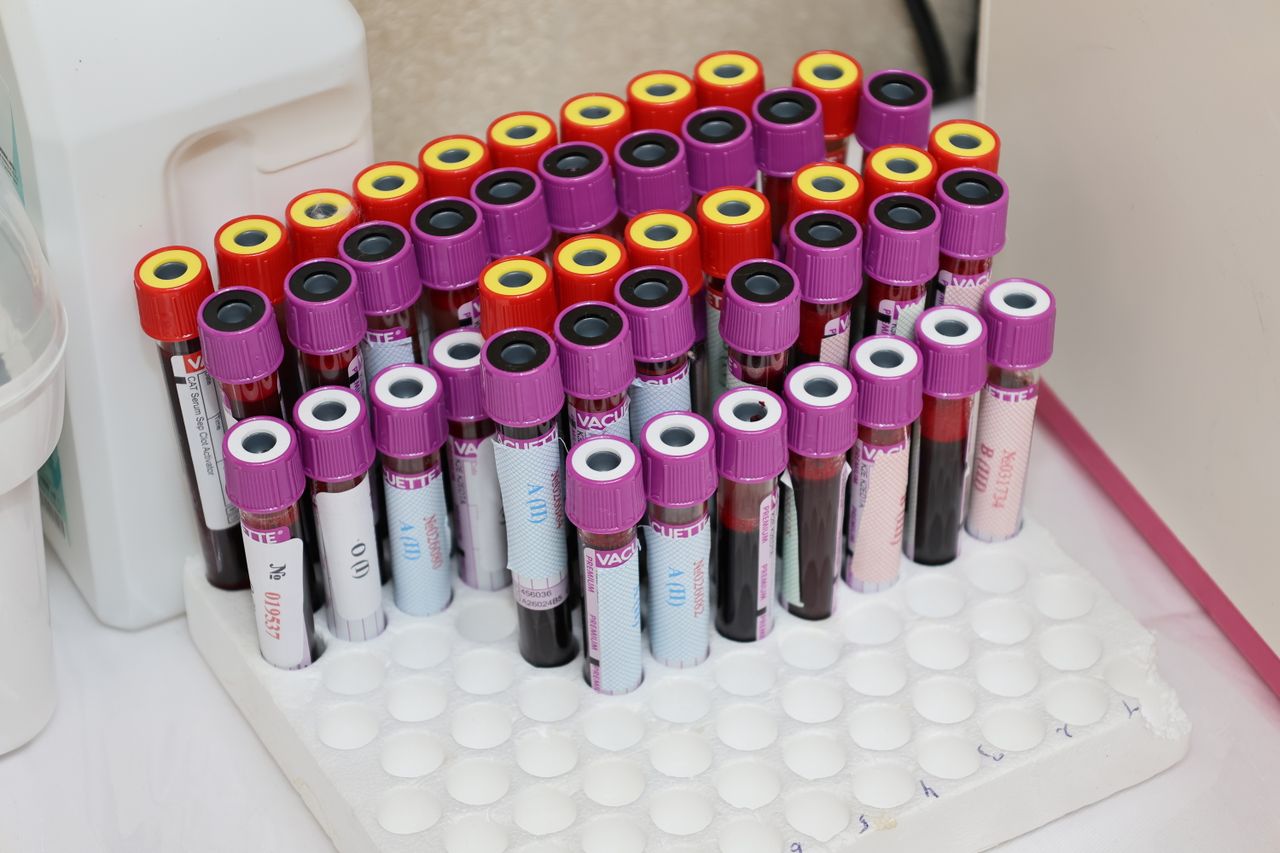
A thyroid panel is a set of indirect signals rather than a single yes-or-no answer. The pituitary gland releases thyroid-stimulating hormone (TSH) when it senses that thyroid hormone production is low; when hormone levels are high, TSH usually falls. Free T4 is the circulating hormone available to tissues, and T3 may be measured when hyperthyroidism is suspected despite a normal T4. Thyroid antibody tests, including thyroid peroxidase antibodies (TPOAb) and thyrotropin receptor antibodies (TRAb), help identify autoimmune thyroid disease such as Hashimoto's thyroiditis or Graves' disease. The NIDDK thyroid tests overview explains how each test is used and why binding proteins, pregnancy and certain medicines can change total hormone measurements.
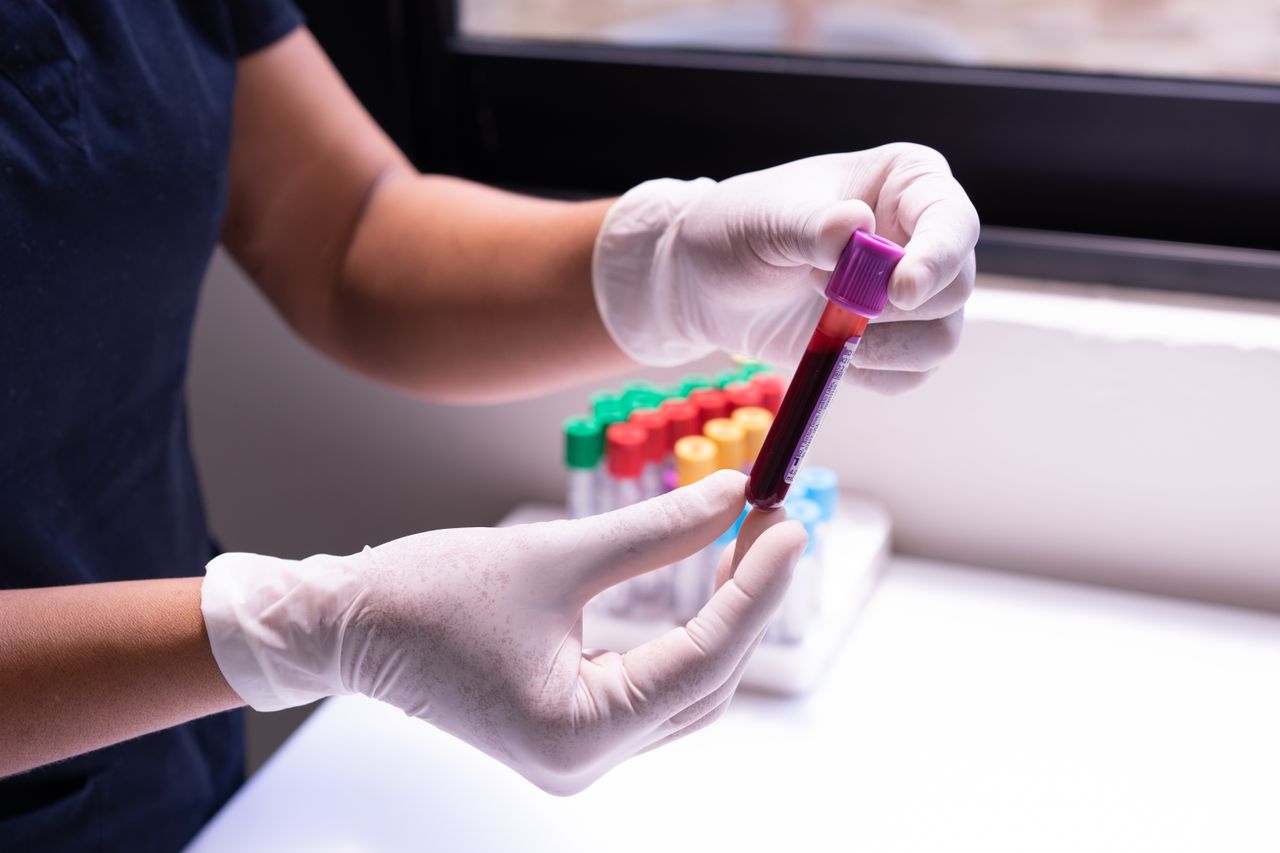
Three cautions matter when you read a result. First, a single abnormal TSH is a prompt to repeat testing and look at free T4, not a diagnosis by itself. Second, pregnancy changes thyroid-binding proteins and hCG stimulates the thyroid gland, so nonpregnant reference ranges may not apply once you are pregnant. Third, "normal" is defined by the laboratory's population and method; a value in range on one report may sit at the extreme edge for your situation. Ask which assay was used and whether the lab reports trimester-specific pregnancy ranges.
Untreated hypothyroidism, subclinical disease and ovulation
Hypothyroidism means the gland cannot make enough hormone. According to the NIDDK hypothyroidism page, common features can include fatigue, weight gain, cold intolerance, constipation, dry skin, depressed mood, slowed heart rate and heavy or irregular menstrual periods. The page also notes that thyroid problems can cause fertility difficulties and that people having trouble conceiving are often screened. Symptoms alone are not enough to diagnose the condition because many of them overlap with other illnesses and with ordinary life stress.
Subclinical hypothyroidism is the term used when TSH is above the usual range but free T4 is still within it. Some people have no symptoms; others have menstrual changes or difficulty conceiving. Evidence about how much treatment improves live birth rates is mixed, and recommendations vary across guidelines and clinical scenarios. This is an area where a number on a report should start a conversation, not settle one. The question for your clinician is whether your specific pattern — TSH level, free T4, antibodies, symptoms, age and previous pregnancy history — justifies treatment before or during a cycle.
Untreated hypothyroidism during pregnancy is associated with preeclampsia, anemia, miscarriage, low birth weight and impaired fetal brain development, especially in the first trimester. The NIDDK thyroid disease and pregnancy page notes that women already taking levothyroxine often need a dose increase once pregnancy is confirmed, which is why early contact with the treating clinician matters. Levothyroxine is the standard preparation used in pregnancy; desiccated thyroid products containing relatively high T3 are not recommended for pregnant patients.
Hyperthyroidism: too much hormone is a different problem
Overactive thyroid disease speeds body functions up. The NIDDK hyperthyroidism page lists weight loss despite increased appetite, rapid or irregular heartbeat, nervousness, trouble sleeping, tremor, heat intolerance, frequent bowel movements and goiter among possible features. It explicitly notes that hyperthyroidism can cause menstrual cycle and fertility issues and that people with difficulty getting pregnant are often tested for thyroid disease. Graves' disease, toxic nodules and thyroiditis are among the causes.
Uncontrolled hyperthyroidism before or during pregnancy is a different risk profile from hypothyroidism. Untreated disease is associated with miscarriage, preterm birth, low birth weight, preeclampsia and, in severe cases, thyroid storm or heart failure. Graves' disease deserves particular attention because thyroid-stimulating immunoglobulins can cross the placenta and affect the fetal thyroid. Treatment choices, including antithyroid medicines, surgery and the timing of radioactive iodine, depend on the cause, severity and whether pregnancy is planned or already established; radioactive iodine is not used during pregnancy. These decisions belong to an endocrinologist working with your obstetric and fertility teams.
Antibodies, pregnancy loss and the number 2.5
TPOAb positivity is associated with autoimmune thyroid disease and has been studied in relation to miscarriage and preterm birth. The frequently discussed TSH value of 2.5 mIU/L comes from attempts to define an upper target in early pregnancy, but it is not a universal cut-off for every laboratory, assay or population. The 2017 American Thyroid Association guidelines, published in Thyroid (volume 27, issue 3), address diagnosis and management in the preconception, pregnancy and postpartum periods and emphasize the limits of applying one threshold to every patient. Some clinics use trimester-specific population ranges; some use a fixed target; some weigh antibody status and history more heavily. All of these approaches are attempts to interpret a biological signal, none of them predicts an individual outcome on its own.
If you have had two or more early pregnancy losses, thyroid testing is one part of a broader evaluation. Our guide to recurrent pregnancy loss and genetic testing describes other categories of testing that may be discussed. Thyroid results should be considered alongside parental chromosomes, uterine factors, clotting history and the details of each loss rather than in isolation. Autoimmune conditions can also coexist; readers with diagnosed autoimmune disease may find the endometriosis and fertility overview useful for understanding how a second condition can change the conversation.
A practical timeline before IVF
Eight to twelve weeks before stimulation. Ask your primary care clinician or endocrinologist for a thyroid panel that includes TSH, free T4 and, when indicated, thyroid antibodies. Bring the full report, not just a single number. If you take levothyroxine, ask whether your current dose should be reassessed before stimulation and again as soon as pregnancy is confirmed.
Four to eight weeks before stimulation. Repeat abnormal tests and settle the medication plan. Dose changes usually require several weeks before a repeat blood draw reflects the new steady state; NIDDK notes that checks are commonly performed roughly six to eight weeks after starting or changing levothyroxine. Starting or stopping medication in the days before egg retrieval rarely gives a useful answer and can add confusion.
During stimulation and monitoring. Keep the same laboratory and the same testing approach when possible, so results are comparable. Tell the REI team about every medication and supplement, including iodine-containing products, kelp-based supplements and desiccated thyroid preparations; excess iodine can push thyroid function in either direction.
After transfer. Arrange early pregnancy testing and a clear plan for thyroid monitoring. If you become pregnant, the dose that worked before conception may no longer be the right one. Readers who prefer a step-by-step view of treatment stages can consult the IVF process guide, and the preparing for IVF checklist covers other baseline tests that are often consolidated into the same pre-cycle window.
Thyroid status is one input among many. Ovarian reserve testing, for example, answers a different question; the AMH and IVF explainer describes what that marker can and cannot tell you. Conditions such as PCOS have their own evaluation pathways, and a cycle that is cancelled for a low ovarian response has its own review process, described in the cycle cancellation checklist.
How to compare clinics without confusing popularity with outcomes
Public review scores, years in practice, advertising claims and quoted prices are legitimate reference dimensions when you build a shortlist: they can tell you about communication style, scheduling, billing transparency and the practical experience of other patients. They are not measurements of clinical success, pregnancy rates or live birth rates, and none of them turns a clinic into a ranked winner. Fertility care is delivered by teams, and outcomes depend on patient age, diagnosis, protocol and case mix as much as on any single attribute of a practice.
For outcome data, look to SART and CDC reporting and read the definitions carefully — per retrieval versus per transfer, clinical pregnancy versus live birth, and the age bands used. The IVF success rates guide explains how metrics differ, and the clinic selection guide suggests questions about lab practices and physician access. Cost is another separate axis; the IVF costs overview breaks down what a quoted figure may and may not include. A clinic that coordinates thyroid care with your endocrinologist can be valuable, but you should verify that arrangement directly rather than assume it from a website.
Questions worth asking at your next appointment
- Which laboratory and assay produced my TSH and free T4 results, and does the lab use pregnancy-specific reference ranges?
- Do my antibody results change the target you recommend, or the decision to treat?
- When should testing be repeated if we change the dose?
- How will you coordinate with my endocrinologist if I am already taking thyroid medication?
- What is the plan for monitoring after a positive pregnancy test?
- How do you define and report your pregnancy and live birth rates, and where can I review the underlying SART/CDC data?
Bringing the same questions to every clinic makes comparisons more meaningful. If English is not your first language, request interpreter support in advance; the language barriers guide outlines how to prepare.
References
- NIDDK — Thyroid Tests (reviewed May 2017)
- NIDDK — Hypothyroidism (Underactive Thyroid) (reviewed March 2021)
- NIDDK — Hyperthyroidism (Overactive Thyroid)
- NIDDK — Thyroid Disease & Pregnancy (reviewed December 2017)
- Alexander et al. 2017 Guidelines of the American Thyroid Association for the Diagnosis and Management of Thyroid Disease During Pregnancy and the Postpartum. Thyroid 2017;27(3)
Sources checked November 26, 2026. This article is general information and does not constitute medical advice; it does not diagnose, treat or replace an evaluation by a licensed clinician.