

Luteal Phase Support in IVF: Progesterone, Timing and Questions After Egg Retrieval
A practical guide to luteal phase support after IVF stimulation and egg retrieval: why it is used in fresh and medicated frozen transfers, how vaginal, injected and oral progesterone differ, what a blood test can show, and which questions to bring to your clinic.
Why the days after egg retrieval matter
Most people picture IVF as a sequence of injections, an egg retrieval and an embryo transfer. The quieter days in between deserve just as much attention. After the eggs are collected, the uterine lining must be prepared to receive an embryo, and the hormones that normally do this work may need help. That help is called luteal phase support: medication given after ovarian stimulation and before or around embryo transfer to support the endometrium during the window when implantation would occur.
Support is not an optional extra that every clinic adds for revenue, and it is not a promise of pregnancy. It is a routine part of many stimulated cycles because of how the ovary and endometrium behave after stimulation and egg collection. At the same time, the phrase is often used loosely online, which leads to confusion with a separate, controversial diagnosis called luteal phase deficiency. This article separates the two, explains the common medication options, and gives you a practical list of questions for your reproductive endocrinology team.
If you are still mapping out the overall timeline, start with our step-by-step IVF process guide, then return here for the post-retrieval portion.
What the luteal phase normally does
In an unmedicated cycle, an egg is released around mid-cycle. The follicle that released it becomes the corpus luteum, a temporary hormone-producing structure. It secretes progesterone, which changes the uterine lining from a growth phase into a secretory phase: the lining thickens, blood vessels develop, and glands begin to produce substances that support an embryo before the placenta forms. If pregnancy does not occur, the corpus luteum regresses, progesterone falls, and menstruation begins. If pregnancy does occur, rising human chorionic gonadotropin (hCG) from the early embryo signals the corpus luteum to keep producing progesterone until the placenta can take over.
That last detail explains why progesterone is described as support rather than as a treatment for a diseased ovary. The requirement is physiological: a receptive lining needs adequate progesterone exposure for a limited window, and the timing of that exposure matters as much as the amount. The American Society for Reproductive Medicine notes that progesterone is secreted in pulses and can fluctuate substantially over short periods, which makes a single blood value a poor stand-alone measure of whether the lining is adequately supported (ASRM, 2026).
Why stimulation and retrieval change the picture
A stimulated IVF cycle deliberately changes the hormonal environment. Gonadotropins recruit many follicles instead of the single follicle that would normally develop, and GnRH agonists or antagonists are used to control ovulation timing. Egg retrieval then removes the follicular contents, including much of the tissue that would have become the corpus luteum. Some patients also receive a GnRH agonist trigger, which alters the body's own LH surge. The result is that the endogenous progesterone signal after retrieval may be lower, shorter, or less predictable than in a natural cycle.
This is why support after egg retrieval is routine in most fresh, stimulated IVF cycles. It is also why a protocol cannot simply be copied from one patient to another: the type of trigger, the number of follicles, the risk of ovarian hyperstimulation syndrome (OHSS), and whether the transfer will be fresh or frozen all influence the decision. Our follicle-monitoring guide explains what the scans before retrieval are measuring, and the egg retrieval article describes the procedure itself and the immediate recovery period.
Fresh transfer versus frozen transfer
The need for support depends heavily on whether the transfer happens in the same cycle.
Fresh transfer. After stimulation and retrieval, support is generally started soon after the egg collection and continued through the transfer and the early days of pregnancy. Your clinic's protocol determines the start date, dose and route.
Frozen embryo transfer (FET) in a medicated cycle. When ovulation is suppressed and the lining is built with estrogen, there is no corpus luteum. Progesterone must then be given externally to convert the lining to a secretory state before the embryo is thawed and transferred. This is a defining feature of an artificial or medicated FET cycle.
Natural or modified-natural FET. When a follicle is allowed to ovulate, a corpus luteum forms. Some clinics still add progesterone, while others do not, depending on monitoring findings and their own protocol. Ask which approach your clinic uses and why. Our frozen embryo transfer guide compares natural and medicated cycles in more detail.
Forms of progesterone and how they are given
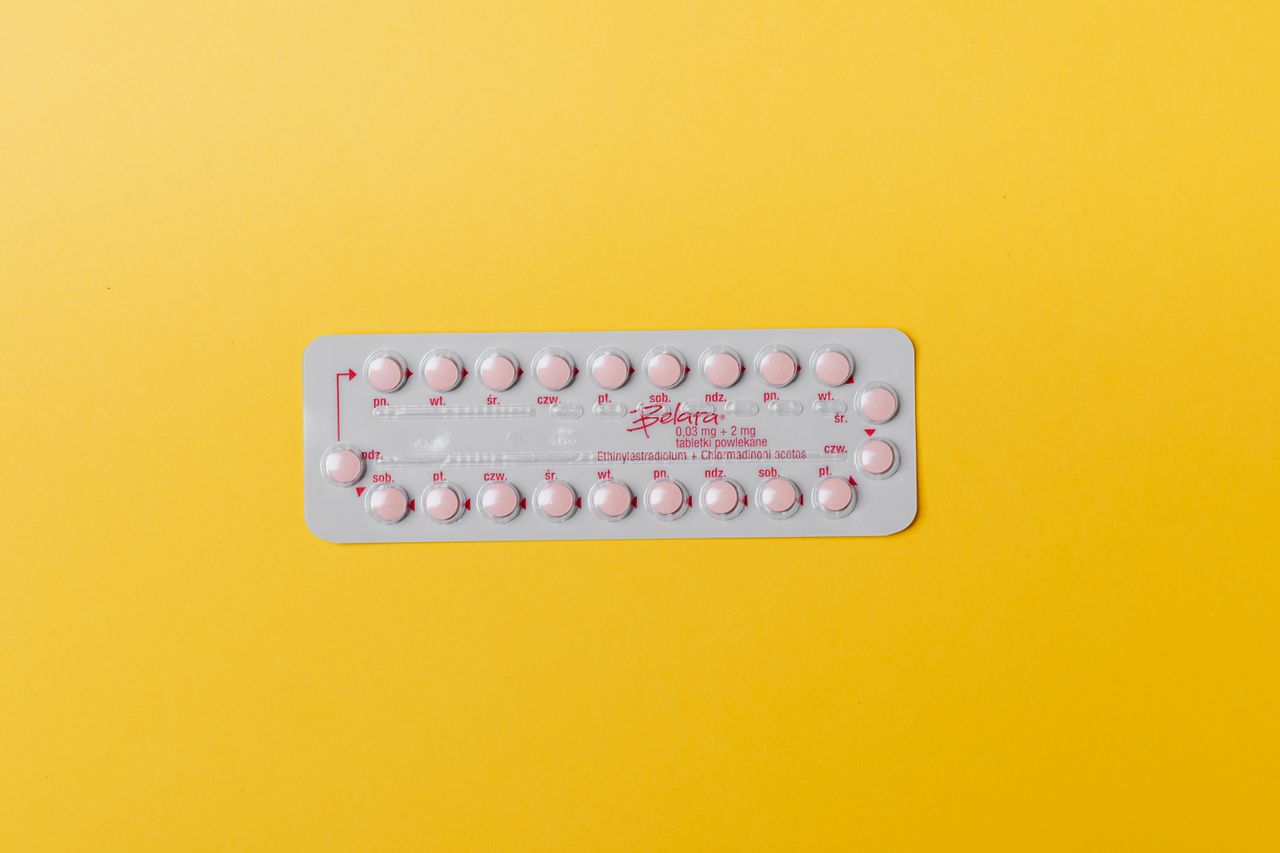
Progesterone can be delivered in several ways. Availability differs by country, and your clinic will choose based on protocol, tolerability, prior response, cost and local practice.
| Route | How it is commonly used | Practical considerations |
|---|---|---|
| Vaginal micronized progesterone | Capsules, gel or suppositories, usually once or more daily | Direct uterine effect; may cause discharge or local irritation; serum levels do not necessarily reflect tissue effect |
| Intramuscular progesterone in oil | Injection into a muscle, commonly daily | Long established in ART; injections can be uncomfortable; may cause soreness or lumps at the site |
| Subcutaneous progesterone | Injection under the skin, where approved and available | An alternative for some patients; availability and protocol use vary |
| Oral micronized progesterone | Swallowed capsules | Absorption is variable; many clinics prefer a non-oral route in ART cycles |
| hCG | Injection given in selected situations | Can stimulate the corpus luteum, but raises OHSS risk and is generally avoided in high responders |
This table describes categories, not a ranking or a recommendation. It is not a substitute for a prescription: doses, combinations and timing are protocol decisions. The general IVF medications guide covers the stimulation drugs that come before this phase, including how they are usually scheduled.
When support starts and when it stops
Timing depends on the protocol. In a fresh cycle, support commonly begins the day after retrieval or around the day of transfer. In a medicated FET, progesterone typically begins before the embryo transfer, after estrogen priming has built the lining, and continues afterward. Your clinic will give exact dates; do not start, stop or change doses based on a generic schedule found online.
Support is usually continued at least until the pregnancy test, which is timed according to the stage of the embryo transferred. If the test is positive, many clinics continue support for several more weeks, often until roughly 8–10 weeks of gestation, when the placenta is generally able to maintain progesterone production. Practices differ, and the decision should be individualized. If the test is negative, your team will tell you when to stop; continuing medication after a negative test without guidance can delay the next discussion about what happened and what to change.
If a cycle does not result in pregnancy, a follow-up visit is the place to review records rather than to guess at a cause. Our guide to preparing for a follow-up consultation after a failed transfer suggests how to organize cycle dates, medication logs and test results.
Monitoring: what a progesterone blood test can and cannot tell you
Patients often ask whether a single progesterone number can confirm that support is adequate. The honest answer is that it has limits. Progesterone is released in pulses, and ASRM's 2026 committee opinion notes that levels may fluctuate several-fold within a short period even in natural cycles. A blood draw therefore captures one point in a moving curve. Results also vary by assay and by whether the progesterone was given vaginally, intramuscularly or subcutaneously: vaginal administration can produce high local tissue exposure with more modest serum levels.
Clinics use progesterone measurements together with ultrasound findings, cycle dates and symptoms. A low or high value by itself is not a diagnosis, and changing doses on your own can make interpretation harder. If your clinic does not measure progesterone routinely, that does not automatically mean care is inadequate. Ask what indicators they use to judge lining preparation and whether monitoring differs for medicated and natural FET cycles.
Side effects and warning signs
Most side effects are manageable, but they are real. Vaginal progesterone can cause discharge, spotting, itching or irritation. Injections can cause soreness, redness, bruising or lumps; oral progesterone may cause drowsiness or digestive upset. Breast tenderness, fatigue, constipation and mood changes are also commonly reported. Tell your team if a side effect makes it hard to continue the medication, because there may be an alternative route.
Some symptoms require prompt contact with a clinic rather than a routine message the next day. Severe abdominal distension or rapid weight gain, marked reduction in urine output, shortness of breath, severe pelvic pain, heavy bleeding, fever or fainting can be signs of OHSS, infection or another complication. Our OHSS prevention and symptom guide describes which changes to watch for after stimulation and retrieval. Follow the emergency instructions your clinic gives you; do not rely on an article to decide whether symptoms are urgent.
What the evidence says, and what it does not
A Cochrane systematic review of luteal support in assisted reproduction cycles found that hCG or progesterone given during the luteal phase may be associated with higher rates of live birth or ongoing pregnancy than placebo or no treatment, but the authors concluded that the evidence was not conclusive (van der Linden et al., 2015). That review is now more than a decade old, and clinical practice has continued to evolve. It is useful for understanding why support became standard in ART, but it should not be read as a modern head-to-head comparison of every current formulation or protocol.
Guidance also distinguishes between support in IVF and the diagnosis of luteal phase deficiency in natural cycles. The ASRM committee opinion states that luteal phase deficiency has not been proven to be an independent cause of infertility or recurrent pregnancy loss, that proposed diagnostic tests are controversial, and that no treatment for this diagnosis has been shown to improve pregnancy rates in natural, unstimulated cycles. NICE guideline NG257, published in March 2026, covers investigation and management of fertility problems and procedures used during IVF, and should be read as a broader framework rather than a personal protocol.
In short: progesterone support after stimulation is a well-established component of ART protocols; buying progesterone on your own to treat a suspected "short luteal phase" in a natural cycle is a different question with a much weaker evidence base.
Questions worth asking your clinic
- Will this be a fresh transfer or a frozen transfer, and does that change the support protocol?
- Which progesterone formulation and route will I use, and what is the exact start date?
- What should I do if I miss a dose or cannot tolerate the injections?
- Will you check progesterone levels or use ultrasound and symptoms to monitor preparation?
- When is the pregnancy test, and when should medication stop if the result is negative or positive?
- How does this protocol change if OHSS risk is high or a GnRH agonist trigger is used?
- Are add-ons being recommended alongside support, and what evidence and cost apply to each? Our IVF add-ons evidence guide offers a framework for that conversation.
Choosing a clinic without over-reading public numbers
Public star ratings, years in practice and advertised package prices can be useful reference points when you build a shortlist. They are not measures of clinical success or live birth rates. A rating reflects a limited set of reviews; a founding date says nothing about current laboratory or clinical practice; and a posted price usually describes a narrow set of services. Avoid treating any of these as a rank order.
For outcome data, use the CDC ART success rates resource and read CDC's guidance on interpreting those rates, which explains why clinic comparisons can be misleading when patient populations and treatment methods differ. Our IVF success rates guide explains the denominators behind the numbers. Then discuss your own age, diagnosis and protocol with a licensed clinician. Decisions about luteal support should be made in that clinical relationship, not from a public list.
Key takeaways
- Luteal support is medication used after stimulation and retrieval to prepare and maintain the uterine lining; it is not a guarantee of implantation.
- Fresh stimulated cycles and medicated frozen transfers usually need it; natural-cycle frozen transfers may or may not.
- Vaginal, intramuscular, subcutaneous and oral progesterone differ in absorption, tolerability and protocol use; hCG is used selectively because of OHSS risk.
- A single progesterone blood value is hard to interpret because levels pulse and vary by route.
- "Luteal phase deficiency" as a diagnosis in natural cycles is controversial and is not the same question as ART support.
- Use SART/CDC outcome data and clinician discussion when evaluating clinics; treat ratings, years in practice and prices as reference dimensions only.
References
- Diagnosis and treatment of luteal phase deficiency: a committee opinion (2026), American Society for Reproductive Medicine
- Luteal phase support for assisted reproduction cycles (Cochrane systematic review, 2015), PubMed record
- Luteal phase support for assisted reproduction cycles, full Cochrane review
- ART Success Rates, Centers for Disease Control and Prevention
- How to Interpret ART Success Rates, Centers for Disease Control and Prevention
- About ART, Centers for Disease Control and Prevention
- Fertility problems: assessment and treatment (NG257), NICE, published 31 March 2026
This article is general educational information and is not medical advice, diagnosis or a treatment plan. Discuss your protocol, medications and results with a licensed healthcare professional.