

IVF Egg Retrieval: Process, Anesthesia, and What to Expect
Learn about the IVF egg retrieval process, including preparation, anesthesia options, and post-procedure care. Understand what to expect and how to prepare for a successful IVF treatment.
Overview of Egg Retrieval
In vitro fertilization (IVF) treatment involves several crucial steps, with egg retrieval being a vital one. The goal of egg retrieval is to collect mature eggs from the ovaries, which will then be combined with sperm in a laboratory to form embryos. This procedure typically takes place during a specific phase of the woman's menstrual cycle and is performed using a fine-needle puncture technique guided by ultrasound.
Pre-Procedure Preparation
Before undergoing egg retrieval, patients must undergo a series of tests and preparations. These include:
- Blood tests: to assess ovarian function and hormone levels.
- Ultrasound examinations: to monitor follicle growth and development.
- Consultation and informed consent: to understand the risks and considerations associated with the procedure.
Additionally, patients should follow their doctor's instructions for physical and emotional preparation.
Anesthesia Options
Egg retrieval may cause some discomfort and pain. To alleviate these sensations, patients can choose from various anesthesia options. Common anesthesia methods include:
- Local anesthesia: numbs only the egg retrieval site, allowing patients to remain awake and aware of mild discomfort.
- Sedation anesthesia: helps patients feel relaxed and drowsy while maintaining a clear airway.
- General anesthesia: renders patients completely unconscious, eliminating any pain or discomfort.
The most suitable anesthesia method will be recommended by the doctor based on the patient's specific situation and needs. For instance, at NYC In Vitro Fertilization, PC, a leading fertility clinic in New York with a 5-star Google rating, Dr. Elassar and her team combine scientific and holistic care to ensure patients' comfort and well-being during the procedure.
The Procedure
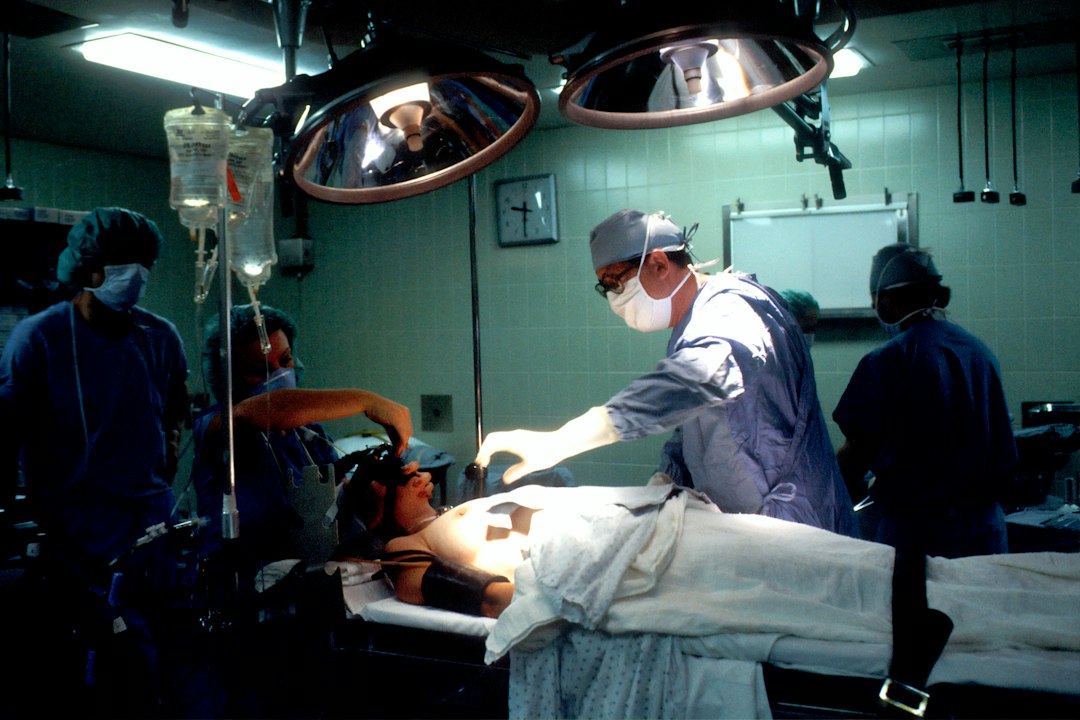
Egg retrieval typically occurs in a specialized operating room and takes approximately 20-30 minutes. The steps involved are:
- The patient lies on the operating table as directed by the doctor.
- Under ultrasound guidance, the doctor uses a fine needle to puncture the ovary and retrieve mature eggs.
- The collected eggs are immediately transferred to a laboratory for fertilization with sperm.
Post-Procedure Care
After the procedure, patients should prioritize rest and recovery. Key considerations include:
- Avoiding strenuous activities and heavy lifting.
- Adhering to the doctor's medication instructions.
- Scheduling regular check-ups and follow-ups.
For those seeking expert care, Fertility New York, another highly-rated clinic in New York, offers comprehensive services and support throughout the IVF process.
Recommended Institutions
When searching for experienced fertility institutions, consider reputable clinics like Joy of Life Surrogacy in Ontario, which has also earned a 5-star Google rating. These institutions boast professional medical teams and advanced technology, providing high-quality care and support for patients.
By understanding the egg retrieval process and anesthesia options, patients can better prepare for and navigate the procedure. Selecting a suitable institution and doctor is crucial for achieving successful IVF treatment outcomes.