
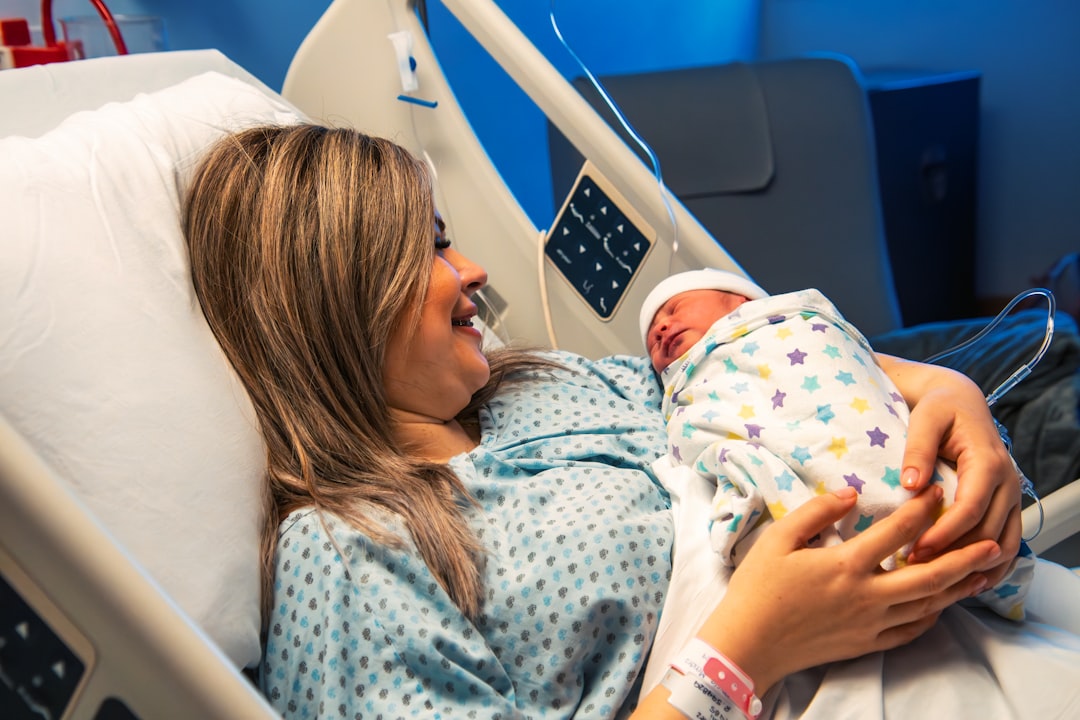
Rest and Recovery After IVF Embryo Transfer: What You Need
This article explores the necessity of bed rest after IVF embryo transfer, its impact on success rates, and provides guidance on optimal post-transfer care and recovery. Understanding the balance between rest and activity can help improve IVF outcomes.
Physical Changes After IVF Embryo Transfer
Following an IVF embryo transfer, a woman's body undergoes a series of changes. In the first few days post-transfer, the embryo undergoes implantation, a critical period. Many patients worry that activities after transfer might affect embryo implantation, thereby influencing IVF success rates.
Research indicates that moderate activity does not negatively impact embryo implantation. In fact, some studies suggest that moderate activity can improve blood circulation, aiding in embryo implantation. However, this does not imply that patients can engage in strenuous exercise or heavy physical labor.
The History of Bed Rest After IVF
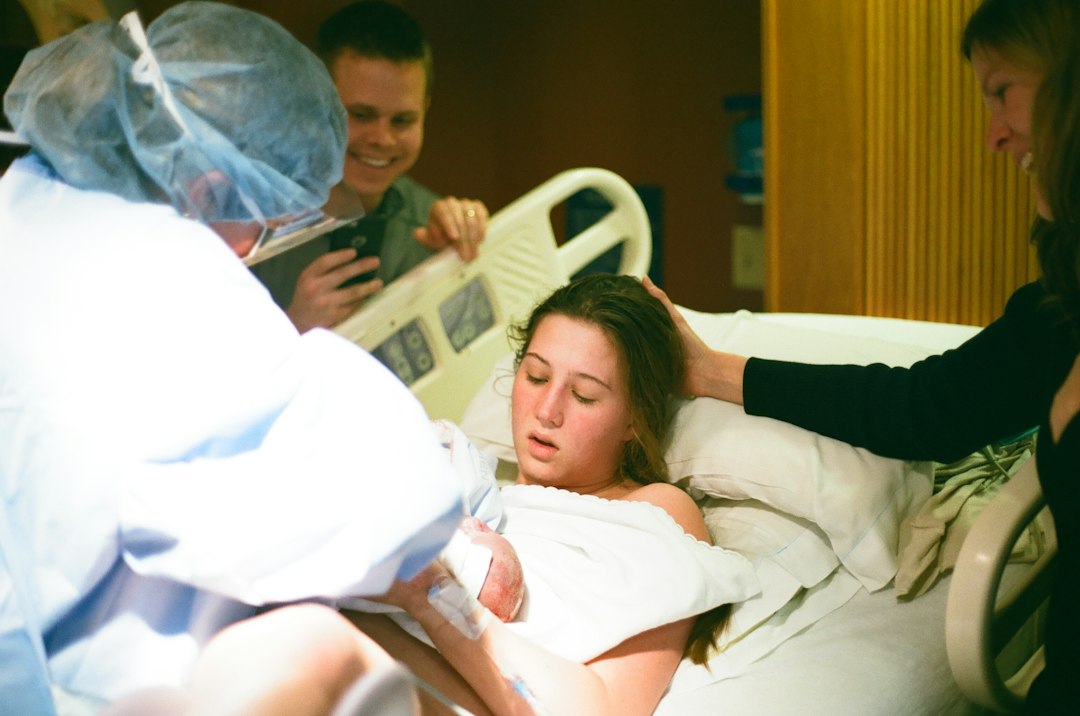
In the past, doctors might recommend bed rest post-transfer to minimize the impact of activity on embryo implantation. However, with advancements in medical technology and deeper understanding of post-IVF care, an increasing number of doctors believe that bed rest is not necessarily required.
Some early studies showed that bed rest did not significantly increase IVF success rates. Conversely, prolonged bed rest may lead to adverse effects such as venous thrombosis and muscle atrophy.
The Right Way to Rest After IVF Transfer
So, how should one rest correctly after an IVF embryo transfer? Firstly, patients should avoid strenuous exercise and heavy physical labor, such as lifting heavy objects, bending, or prolonged standing. Secondly, patients should maintain a regular schedule and ensure adequate sleep.
Additionally, patients can engage in light activities like walking, yoga, or meditation. These activities can help patients relax, improve sleep quality, and also aid in blood circulation.
Recommended IVF Post-Transfer Care Institutions
For those seeking professional post-IVF transfer care, institutions like NewCare Surrogacy & Egg Donation in Rosemead, US, with a Google rating of 5, offer specialized services. Their expertise can provide reassurance and support during this critical period.
Psychological Care After IVF Transfer
The psychological state of patients post-IVF transfer is also crucial. Patients may experience anxiety, depression, and other emotional changes, which can affect IVF success rates.
Therefore, patients should actively seek psychological support, such as communicating with family and friends or seeking professional psychological counseling. Research indicates that psychological support can improve patients' mental state, enhancing IVF success rates.
Follow-Up and Check-Ups After IVF Transfer
Post-IVF transfer, patients should follow their doctor's advice for follow-ups and check-ups. This helps doctors to promptly identify and address any issues, ensuring a smooth IVF process.
Typically, patients will have their first follow-up check-up 1-2 weeks post-transfer to examine embryo implantation and the patient's physical condition. Thereafter, patients will proceed with further follow-ups and check-ups as advised by their doctors.
Conclusion
In conclusion, the necessity of bed rest after IVF embryo transfer is a complex issue. Patients should avoid strenuous exercise and heavy physical labor but are encouraged to engage in light activities. Additionally, seeking psychological support and adhering to medical advice for follow-ups and check-ups are essential. For personalized care and guidance, consulting reputable institutions like Bellevue Sperm Bank or Fairfax Surrogacy can provide valuable support and expertise.