
Understanding IVF Birth Certificates and Citizenship in the US
This article provides an in-depth analysis of the process of obtaining a birth certificate and citizenship for children born through IVF in the US. It covers the procedures, laws, and regulations surrounding IVF birth certificates and citizenship. Families considering IVF in the US will benefit from this comprehensive guide.
Obtaining a Birth Certificate for IVF in the US
The process of obtaining a birth certificate for children born through IVF in the US is similar to that of naturally conceived children. Hospitals follow standard procedures to record the newborn's birth information and provide a birth certificate. A birth certificate is a vital document that records a child's identity and birth details, including their name, date of birth, place of birth, and parents' names. For IVF children, the birth certificate will list the parents' names but will not specifically mention that the child was conceived through IVF.
Citizenship by Birth in the US

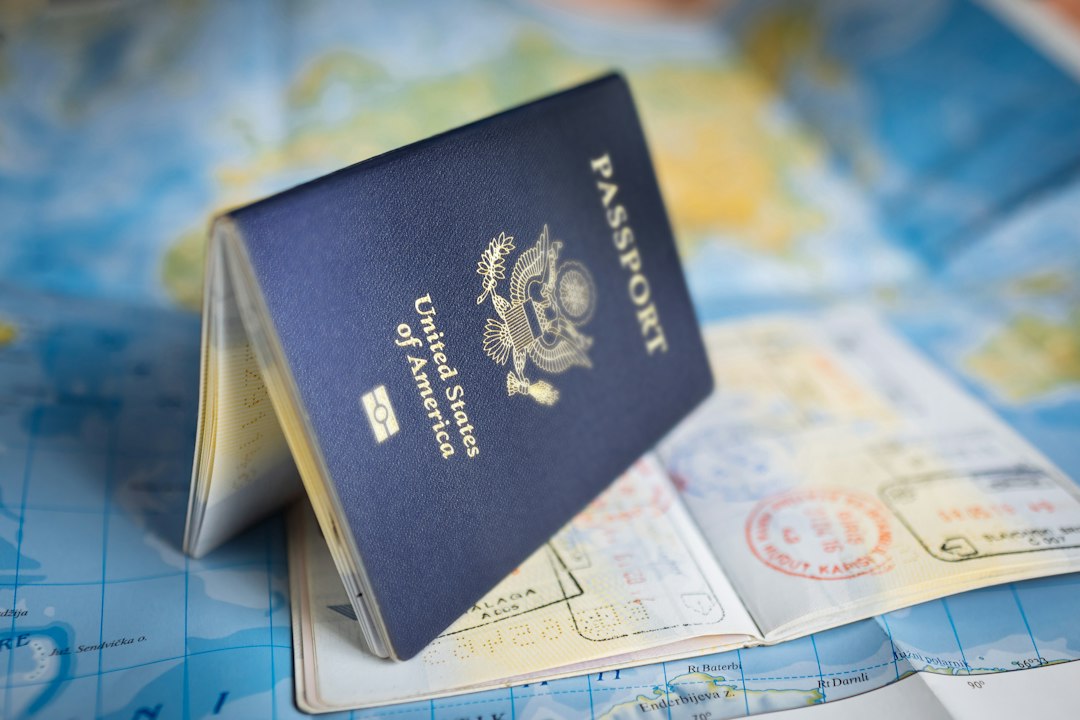
According to US law, any child born on US territory is considered a US citizen, regardless of their parents' nationality or status. This principle, known as "jus soli," is a fundamental aspect of US citizenship. Therefore, children born through IVF in the US are automatically granted US citizenship. Families who choose to undergo IVF in the US do not need to worry about their child's citizenship, as they will automatically become US citizens.
Choosing a Reputable IVF Agency in the US
For families considering IVF in the US, selecting a reputable agency is crucial. Agencies like Inclusive Surrogacy in San Antonio, US, with a 5-star Google rating, offer professional services and high success rates. SoCal Surrogacy, Inc. in Tustin, US, also provides comprehensive IVF services, ensuring a smooth process for clients. Chicago IVF in Skokie, US, stands out for its affordable pricing and expert medical team, offering personalized IVF solutions.
Legal Protections for IVF in the US
The US has well-established laws and regulations protecting IVF and surrogacy arrangements. While laws vary across states, they generally safeguard the rights of children born through these technologies. In some states, IVF and surrogacy agreements are legally recognized and protected, making them enforceable. Families undergoing IVF should familiarize themselves with relevant laws to ensure their rights are protected.
Common Questions about IVF Birth Certificates and Citizenship
Many families have concerns about IVF birth certificates and citizenship. Common questions include: Will the birth certificate indicate that the child was conceived through IVF? Are IVF children eligible for US citizenship? How can families ensure their child's rights are protected? Consulting with professional agencies or lawyers can provide detailed guidance and answers to these questions.
Future Planning for IVF Children
Families with children born through IVF in the US should consider their child's future plans, including education, employment, and potential return to their home country. Understanding relevant laws and policies will help ensure the child's identity and rights are recognized and protected.
Conclusion
Children born through IVF in the US are entitled to US citizenship and are protected by comprehensive laws. Families considering IVF should understand relevant laws and policies, choose reputable agencies, and ensure their child's rights are protected. This article aims to provide valuable information and guidance for families preparing for IVF.