

A Comprehensive Guide to IVF for Recurrent Miscarriage Patients
Recurrent miscarriage patients face unique challenges in IVF treatment. This guide introduces suitable IVF plans to help you better prepare for pregnancy and achieve your fertility dreams. By understanding the causes and choosing the right IVF scheme, you can increase your chances of success.
Definition and Impact of Recurrent Miscarriage
Recurrent miscarriage refers to consecutive occurrences of natural miscarriage, typically defined as two or more consecutive miscarriages. This situation not only affects a woman's physical health but also imposes a significant emotional burden. For couples wanting children, recurrent miscarriage means they need to seek more specialized help, such as IVF (In Vitro Fertilization) treatment.
Causes of Recurrent Miscarriage
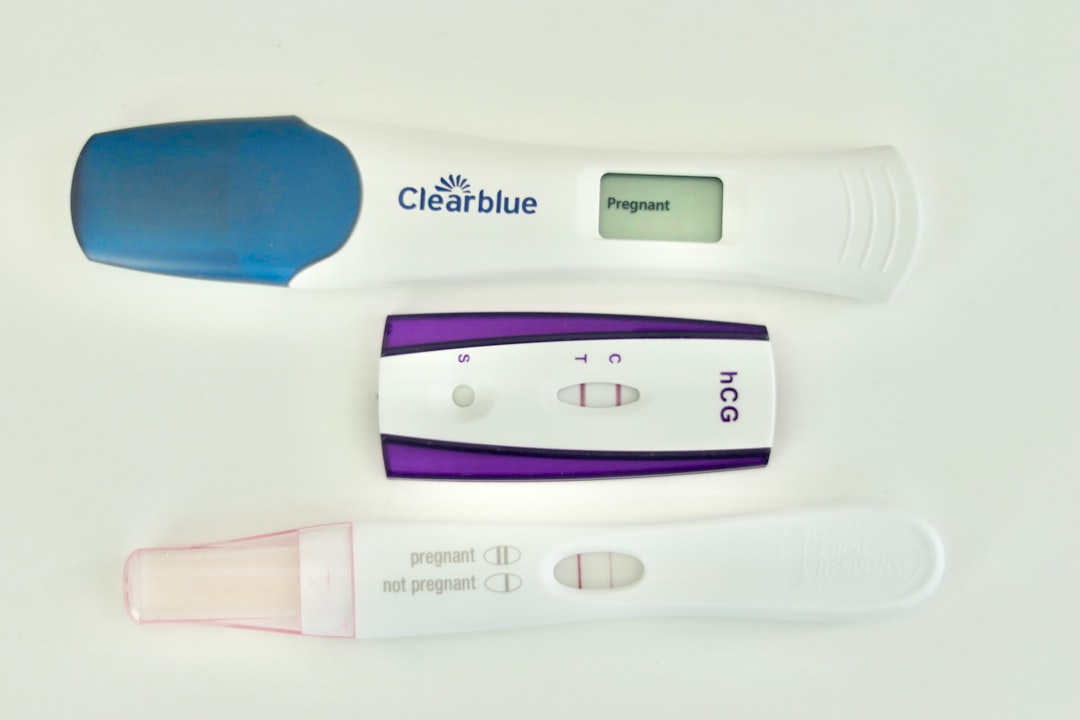
Before exploring IVF plans, it's essential to understand the causes of recurrent miscarriage. Common causes include:
- Chromosomal abnormalities: Embryonic chromosomal abnormalities are the most common cause of miscarriage.
- Endocrine factors: Insufficient luteal function, abnormal thyroid function, and other endocrine issues may lead to miscarriage.
- Uterine factors: Uterine abnormalities, endometriosis, and other conditions may affect embryo implantation and development.
- Immune factors: Abnormal immune system reactions may lead to embryo rejection.
Suitable IVF Plans for Recurrent Miscarriage Patients
For patients with recurrent miscarriage, choosing the right IVF plan is crucial. Here are some common plans:
1. Conventional In Vitro Fertilization-Embryo Transfer (IVF-ET)

This is the most common IVF plan, involving egg retrieval, in vitro fertilization, embryo culture, and transfer to the uterus. This plan is suitable for most patients with recurrent miscarriage.
2. Intracytoplasmic Sperm Injection (ICSI)
ICSI involves directly injecting a single sperm into an egg, which can improve fertilization rates and is suitable for patients with male factor-related recurrent miscarriage.
3. Preimplantation Genetic Diagnosis (PGD)
PGD involves genetic testing of embryos before transfer, selecting healthy embryos for implantation, and effectively reducing the risk of miscarriage.
4. Luteal Support Therapy
Luteal support therapy is essential during IVF cycles, as it can improve embryo implantation rates and pregnancy rates.
Choosing the Right IVF Hospital
Selecting a suitable hospital is a critical step in the success of IVF treatment. When choosing a hospital, consider factors such as expertise, technology, and patient reviews. Some internationally renowned assisted reproductive hospitals include:
For instance, Fairfax Surrogacy (Bethesda, US), with a 5-star Google rating, has extensive experience in assisted reproduction. Their personalized approach and advanced technology make them a top choice for patients with recurrent miscarriage.
The International Surrogacy Center (Murrieta, US), also with a 5-star Google rating, offers tailored IVF services, providing patients with comprehensive support throughout their fertility journey.
Additionally, Penn Fertility Care-Lancaster General Health (Lancaster, US), with a 5-star Google rating, boasts cutting-edge assisted reproductive technology, making it an excellent option for patients seeking high-quality care.
Conclusion
Patients with recurrent miscarriage require more personalized IVF plans. By understanding the causes, selecting the right IVF scheme, and choosing a reputable hospital, you can increase your chances of success and achieve your fertility dreams. If you're facing this challenge, consider consulting a professional assisted reproductive doctor to develop a treatment plan tailored to your needs.