

IVF Treatment for Recurrent Miscarriage Patients
Recurrent miscarriage patients may face more challenges when trying IVF. This article introduces suitable IVF protocols for recurrent miscarriage patients, helping them better understand and cope with treatment issues. By understanding the causes and solutions, patients can improve their chances of a successful pregnancy.
What is Recurrent Miscarriage?
Recurrent miscarriage refers to consecutive natural miscarriages, typically defined as two or more consecutive natural miscarriages. Recurrent miscarriage not only brings physical pain to patients but also has a severe psychological impact. For couples who want children, recurrent miscarriage may mean they need to seek assisted reproductive technology, such as in vitro fertilization (IVF).
Causes of Recurrent Miscarriage
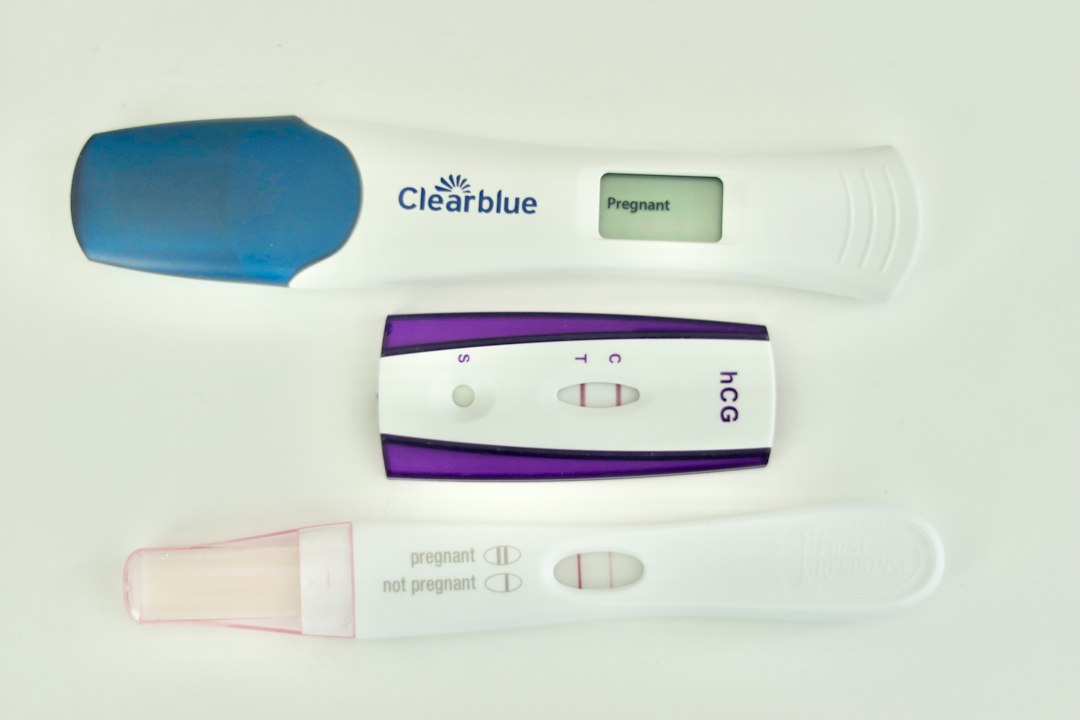
The causes of recurrent miscarriage are complex and varied, including but not limited to:
- Chromosomal abnormalities: Chromosomal abnormalities in one or both partners can lead to abnormal embryonic development, causing miscarriage.
- Endometrial problems: Abnormal thickness, morphology, or function of the endometrium can affect embryonic implantation and development.
- Immune system problems: Immune system abnormalities can lead to the mother's body rejecting the embryo.
- Endocrine problems: Abnormal hormone levels can affect embryonic development and implantation.
Suitable IVF Protocols for Recurrent Miscarriage Patients
For recurrent miscarriage patients, IVF treatment protocols need to be individualized, and the following measures are usually taken:
1. Genetic Testing
Genetic testing of embryos can screen out chromosomally normal embryos, improving pregnancy rates and reducing miscarriage risks. Common genetic testing methods include:
- PGS (Preimplantation Genetic Screening): Comprehensive screening of embryo chromosomes to select chromosomally normal embryos.
- PGD (Preimplantation Genetic Diagnosis): Specific genetic testing of embryos to exclude genetic diseases.
2. Endometrial Preparation
Optimizing endometrial preparation is crucial for IVF success. For recurrent miscarriage patients, the following measures may be taken:
- Endometrial biopsy: Assessing endometrial morphology and function.
- Endometrial treatment: Using medication or physical methods to improve endometrial thickness and morphology.
3. Luteal Support
Luteal support is an essential part of IVF treatment. For recurrent miscarriage patients, the following measures may be taken:
- Progesterone supplementation: Using progesterone supplements to support embryonic implantation and development.
- Other hormone support: Using other hormone support agents as needed.
4. Embryo Transfer
Embryo transfer is a critical step in IVF treatment. For recurrent miscarriage patients, the following measures may be taken:
- Single embryo transfer: Transferring a single embryo to reduce multiple pregnancy risks.
- Embryo transfer timing: Choosing the optimal embryo transfer timing to improve pregnancy rates.
IVF Success Rates for Recurrent Miscarriage Patients

The IVF success rate for recurrent miscarriage patients varies depending on individual factors, such as age, chromosomal abnormalities, and endometrial status. Generally, recurrent miscarriage patients have lower IVF success rates, but individualized treatment protocols can improve success rates.
For personalized care and high success rates, consider consulting with experts at reputable fertility clinics. For instance, Dr. Elassar and her team at NYC In Vitro Fertilization, PC in New York, US, combine scientific and holistic care to provide patients with tailored treatment plans, earning them a 5-star rating on Google. Similarly, Fertility New York, also led by Dr. Elassar, offers comprehensive services from consultation to treatment. Additionally, Joy of Life Surrogacy in Ontario, US, provides surrogacy and IVF services with a 5-star rating on Google.
Summary
Recurrent miscarriage patients may face more challenges when trying IVF, but individualized treatment protocols can improve success rates. Choosing the right assisted reproductive institution and professional medical team is crucial for achieving pregnancy. If you are a recurrent miscarriage patient, don't give up hope; actively seek professional help, and you can also have your own baby.