
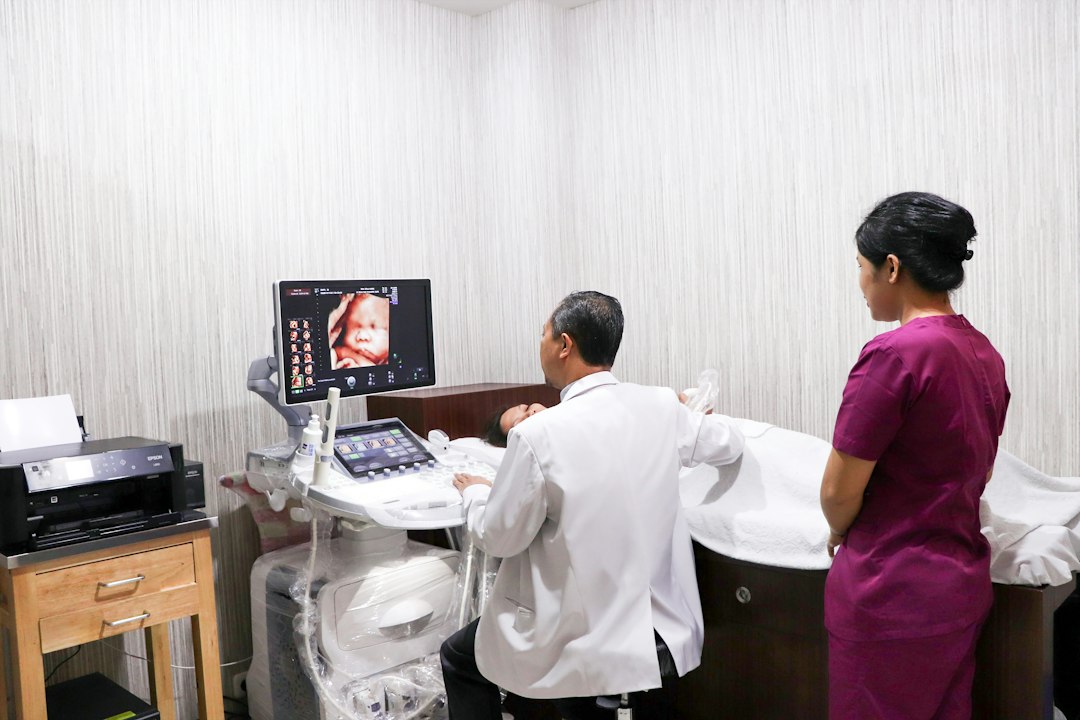
IVF Follicle Monitoring During Ovulation Induction
Follicle monitoring is crucial during IVF treatment to ensure safety and effectiveness. Learn about key monitoring times and importance. Understand how to prepare for IVF.
The Importance of Follicle Monitoring During Ovulation Induction
In IVF treatment, ovulation induction is a critical step. By using medications, it stimulates the ovaries to produce multiple follicles, increasing the chances of retrieving eggs. However, each individual's body condition and ovarian responsiveness vary, making follicle monitoring essential to adjust treatment plans and ensure safety and effectiveness.
Methods of Follicle Monitoring
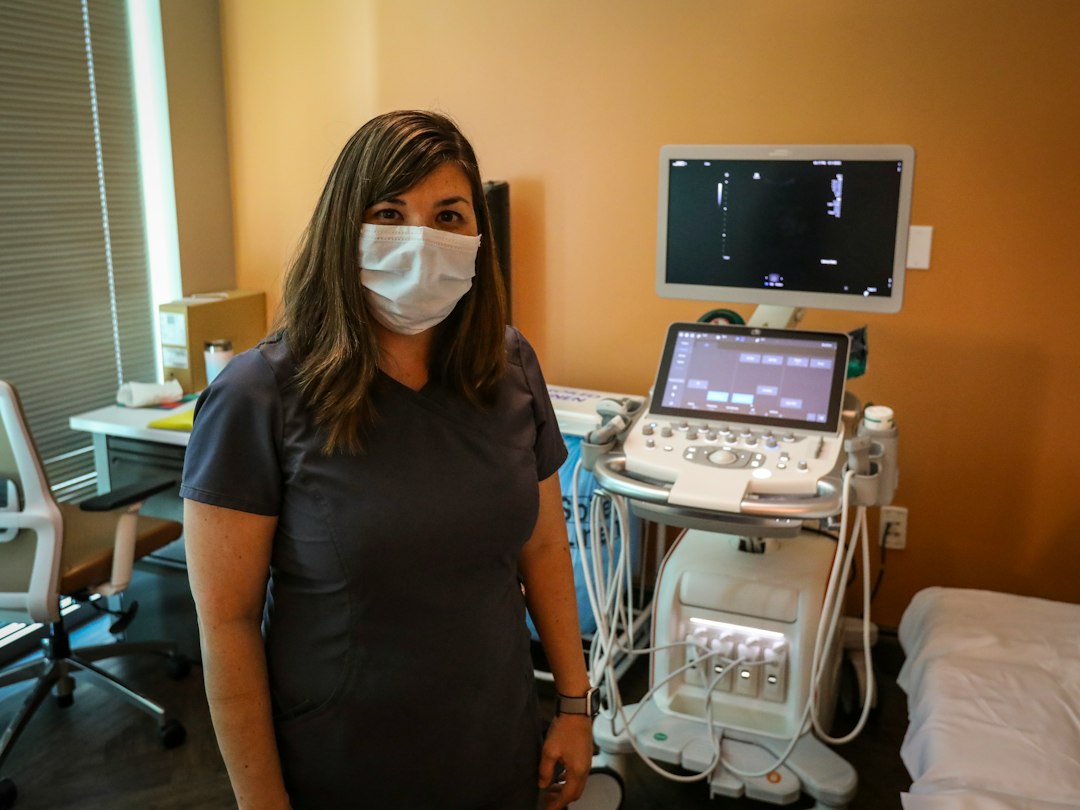
Follicle monitoring primarily involves transvaginal ultrasound. Doctors use high-frequency ultrasound probes to examine the ovaries, assessing the number, size, and growth of follicles. This process is painless and quick, typically taking only a few minutes.
Key Time Nodes for Follicle Monitoring During Ovulation Induction
- Before Starting Ovulation Induction: Before beginning treatment, doctors usually perform a baseline follicle count to understand ovarian reserve and baseline follicle numbers.
- Day 5-7 of Ovulation Induction: This is a critical time point for the first follicle monitoring. It helps evaluate ovarian response to medications and adjust dosages and treatment plans accordingly.
- Day 10-12 of Ovulation Induction: During this period, doctors continue to monitor follicle growth, deciding whether to adjust medications or make other interventions.
- Day 14 and Beyond: When follicles mature to a certain number and size, doctors schedule egg retrieval surgery.
Frequency and Adjustments of Follicle Monitoring
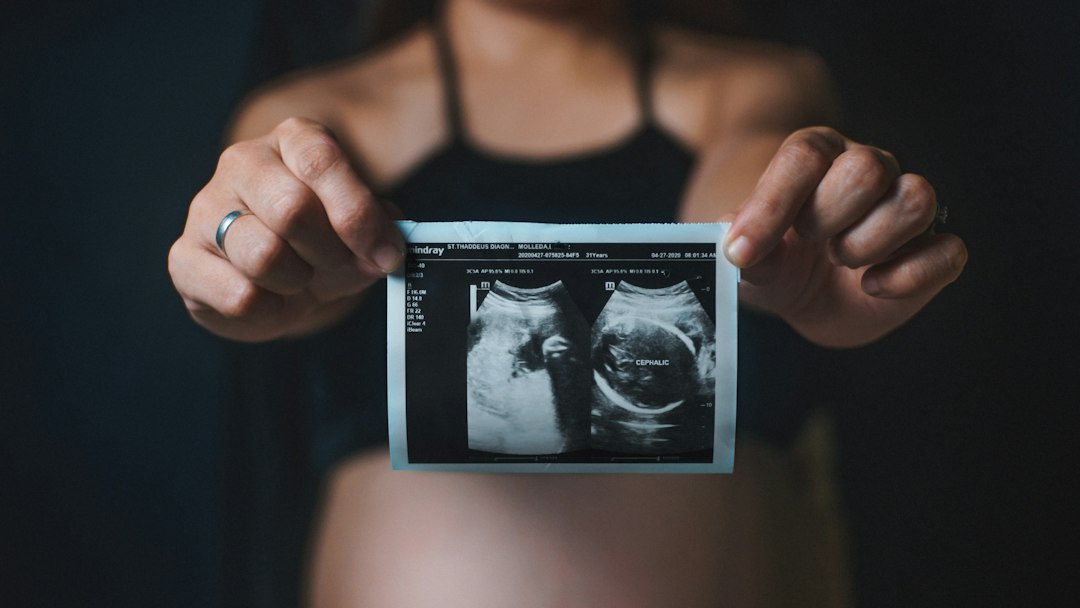
The frequency of follicle monitoring varies depending on individual circumstances. Typically, doctors decide on the next monitoring time based on previous results. If follicles grow too quickly or slowly, doctors may adjust medications or increase monitoring frequency.
Choosing the Right Medical Institution
For successful IVF treatment, selecting an experienced and technologically advanced medical institution is vital. Institutions like NYC In Vitro Fertilization, PC, in New York, are renowned for combining scientific and holistic care, earning a 5-star Google rating. Their approach, led by experts like Dr. Elassar, emphasizes personalized care and high success rates. Similarly, Fertility New York, also in New York, and Joy of Life Surrogacy in Ontario, have received high praise for their professional services and success rates.
Conclusion
Follicle monitoring during IVF ovulation induction is a key step in ensuring treatment effectiveness and safety. By understanding the importance and timing of follicle monitoring, patients can better cooperate with doctors, enhancing the success rate of IVF treatment.