
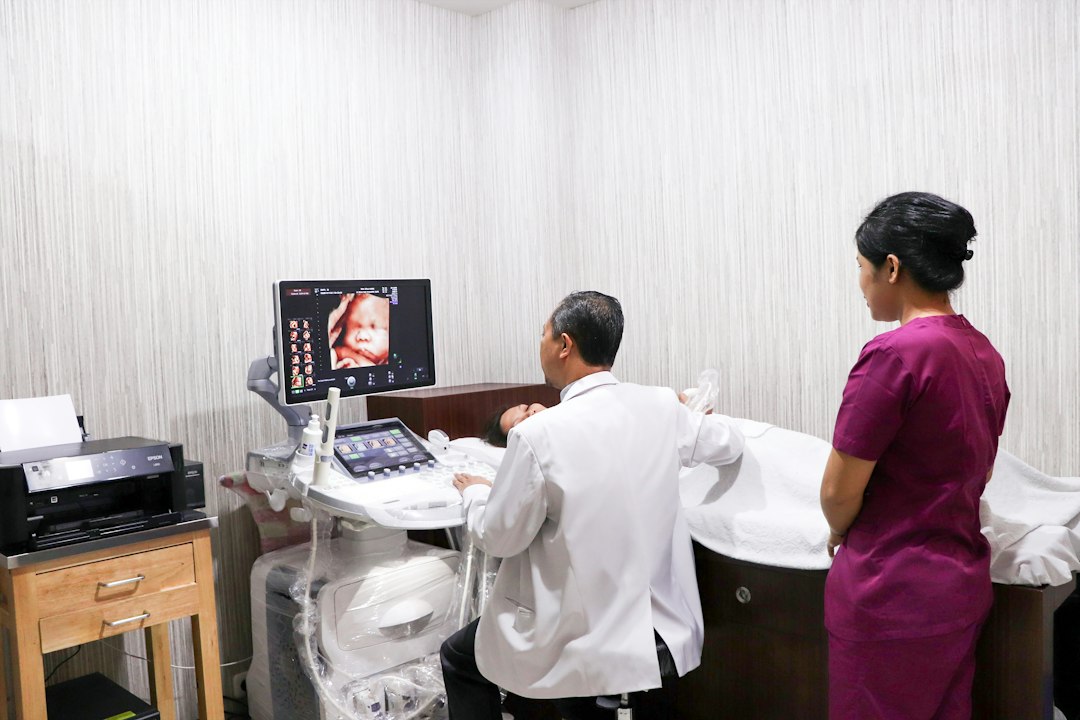
IVF Follicle Monitoring During Ovulation Induction
Follicle monitoring is crucial during IVF treatment, helping doctors adjust medication and ensure a safe and effective process. Learn about the key time nodes and importance of follicle monitoring.
The Importance of Follicle Monitoring During Ovulation Induction
In IVF treatment, ovulation induction is a critical step. By using medications to stimulate the ovaries to produce multiple follicles, the chances of retrieving eggs increase. However, each individual's body condition and ovarian responsiveness vary, making follicle monitoring essential to adjust treatment plans and ensure safety and effectiveness.
Methods of Follicle Monitoring
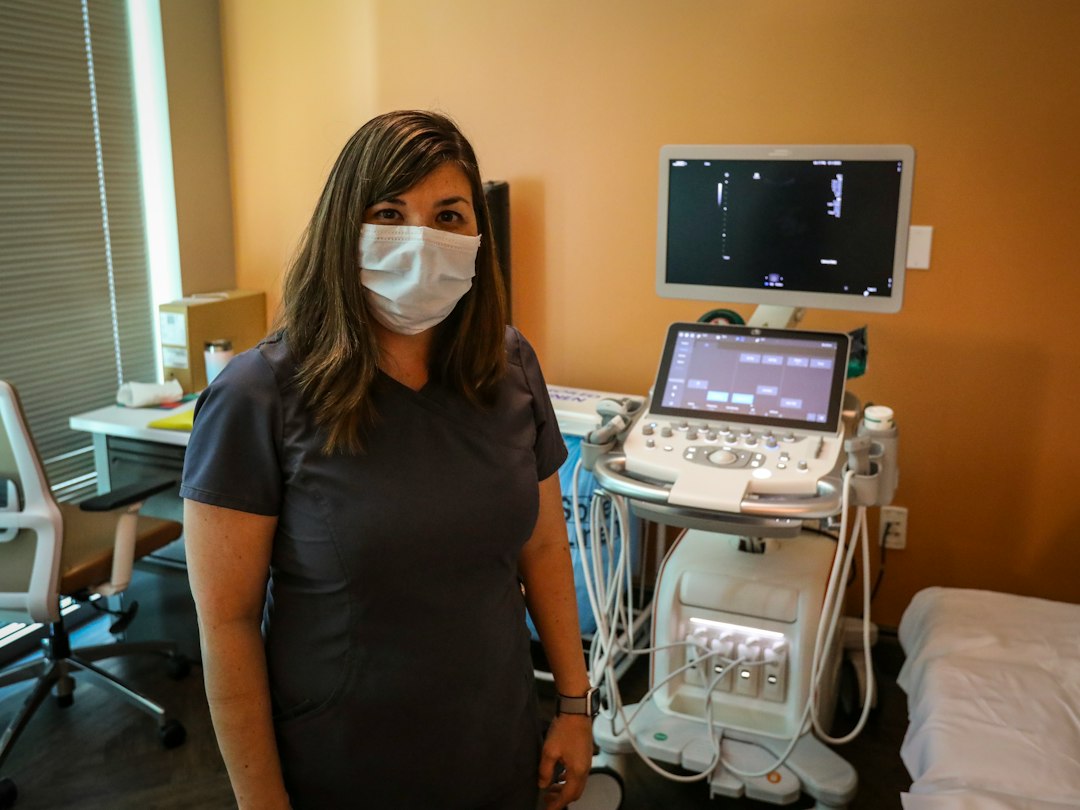
Follicle monitoring primarily involves transvaginal ultrasound. Doctors use high-resolution ultrasound equipment to observe the number and size of follicles in the ovaries. This examination is painless, quick, and usually does not cause discomfort.
Key Time Nodes for Follicle Monitoring During Ovulation Induction
- Before Starting Ovulation Induction: Before beginning treatment, doctors typically perform a baseline follicle count to understand ovarian reserve and baseline follicle numbers.
- Day 5-7 of Ovulation Induction: The first follicle monitoring session occurs 5-7 days after starting ovulation induction, assessing ovarian response to medications and adjusting dosages accordingly.
- Day 10-12 of Ovulation Induction: A second follicle monitoring session takes place, further evaluating follicle growth and determining if medication adjustments are needed.
- Day 14 and Beyond: When follicles mature and reach a certain size, doctors schedule egg retrieval surgery, usually when follicle diameter reaches 18-20mm.
Frequency and Adjustments of Follicle Monitoring
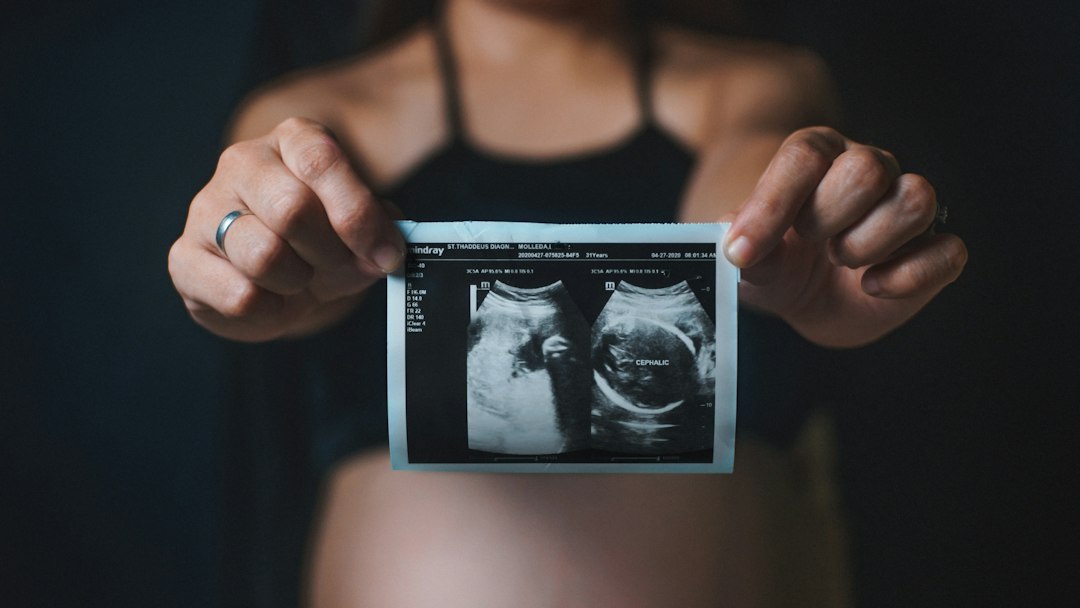
The frequency of follicle monitoring varies depending on individual circumstances. Some patients may require more frequent monitoring to ensure healthy follicle growth and prevent ovarian hyperstimulation syndrome (OHSS).
Seeking Professional IVF Services
For personalized and high-quality IVF care, consider consulting reputable institutions like NYC In Vitro Fertilization, PC, led by Dr. Elassar, which combines scientific and holistic approaches to provide tailored treatments. Alternatively, Fertility New York, also led by Dr. Elassar, offers comprehensive IVF services with a focus on patient care. If you're looking for a broader range of reproductive services, including surrogacy, Joy of Life Surrogacy in Ontario provides supportive and professional care.
Conclusion
Follicle monitoring during ovulation induction is a vital aspect of IVF treatment. Understanding the importance and key time nodes of follicle monitoring enables patients to better collaborate with doctors, enhancing the success rate of IVF. If you have questions or require further consultation, don't hesitate to reach out to professional reproductive institutions.