
A Comprehensive Guide to IVF: Navigating the Journey
IVF is a type of assisted reproductive technology that helps many infertile couples achieve their dream of parenthood. Understanding the IVF process is crucial for a smooth treatment experience. This article provides an in-depth look at the entire IVF process.
Preparing for IVF
Before starting IVF treatment, couples need to undergo a series of tests and preparations. First, they must undergo infertility tests to determine if IVF is suitable for them. Women need to have ovarian function tests to assess ovarian reserve and ovulation, while men need to have semen tests to evaluate sperm quality and quantity.
Additionally, couples must undergo routine tests such as blood type, Rh factor, and infection screening. They also need to provide detailed medical history and lifestyle information to help doctors better understand their situation.
Choosing an IVF Clinic and Doctor
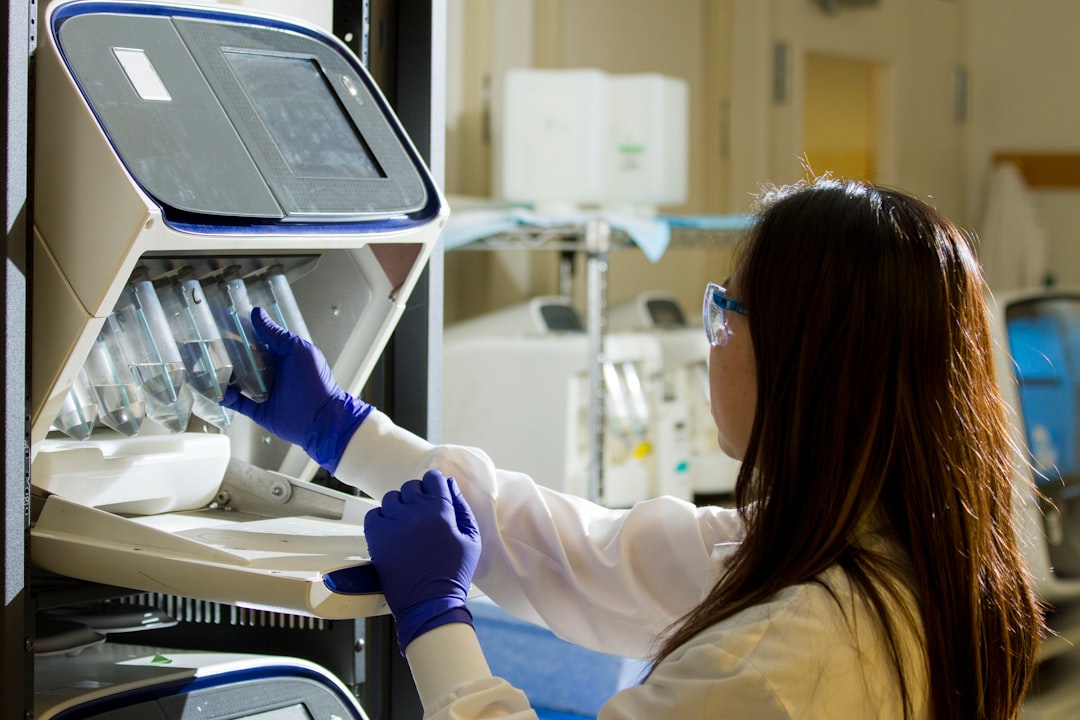
Selecting an experienced IVF clinic and doctor is crucial for the success of treatment. You can make an informed decision by checking the clinic's success rates, doctor's qualifications, and experience.
Clinics like F.I.R.S.T. (Florida Institute for Reproductive Sciences and Technologies) in Weston, US, with a 5-star Google rating, offer high-quality IVF services and professional medical teams. Their team of reproductive endocrinologists provides expert care for patients undergoing IVF and donor egg services.
The IVF Treatment Process
The IVF treatment process typically involves the following steps:
1. Ovulation Induction

Before starting IVF treatment, women need to undergo ovulation induction therapy to stimulate the ovaries to produce multiple follicles. This is usually achieved through injections of ovulation-inducing medications.
2. Follicle Monitoring
During ovulation induction therapy, women need to undergo follicle monitoring to track the growth and development of follicles. This is usually done through vaginal ultrasound examinations.
3. Egg Retrieval
When the follicles are mature, women need to undergo egg retrieval surgery. Egg retrieval surgery is usually performed under local anesthesia, and the eggs are aspirated from the follicles using vaginal ultrasound guidance.
4. Sperm Collection
Men need to provide a sperm sample for fertilization with the eggs.
5. In Vitro Fertilization
The retrieved eggs and sperm are fertilized in a laboratory. The fertilized eggs will be cultured for 2-5 days.
6. Embryo Transfer
After embryo culture, the doctor will transfer the embryo to the woman's uterus. The transfer process is usually painless.
7. Pregnancy Test
About two weeks after transfer, women need to undergo a pregnancy test to determine if they are pregnant.
Post-IVF Care
After IVF treatment, women need to rest and avoid strenuous exercise and heavy lifting. They must also follow the doctor's instructions for medication and follow-up appointments.
If you have any questions or concerns, don't hesitate to reach out to your doctor. They will provide professional guidance and support to help you navigate the IVF treatment process.
Other reputable clinics, such as Chicago IVF in Skokie, US, and Fertility Solutions, PC in Dedham, US, both with 5-star Google ratings, also offer excellent IVF services and care. By understanding the IVF process, you can better prepare for treatment and achieve your dream of parenthood.