

A Comprehensive Guide to Fertility Preservation for Single Women
This article provides a thorough guide for single women on fertility preservation, covering reasons, methods, and assisted reproductive technologies like IVF. It aims to help single women better understand and plan their reproductive futures.
The Importance of Fertility Preservation for Single Women
In recent years, an increasing number of single women have been focusing on fertility preservation. With modern society's emphasis on career planning, economic independence, and personal freedom, many women are delaying marriage and childbearing. However, a woman's fertility declines with age, making it essential for single women to consider preserving their fertility.
Reasons for Declining Fertility

A woman's fertility decreases with age due to the reduction in egg quality and quantity. Generally, a woman's fertility starts to decline after 35 and drops more significantly after 40. Therefore, single women who plan to have children in the future should consider preserving their fertility before the age of 35.
Methods of Fertility Preservation
There are two common methods of fertility preservation: egg freezing and embryo freezing.
- Egg Freezing: Egg freezing involves extracting a woman's eggs and freezing them for future use. This method is suitable for single women or those who do not wish to conceive immediately.
- Embryo Freezing: Embryo freezing involves combining eggs and sperm in a laboratory to form embryos, which are then frozen for future transplantation into the uterus. This method is suitable for married women or those with partners.
IVF Technology
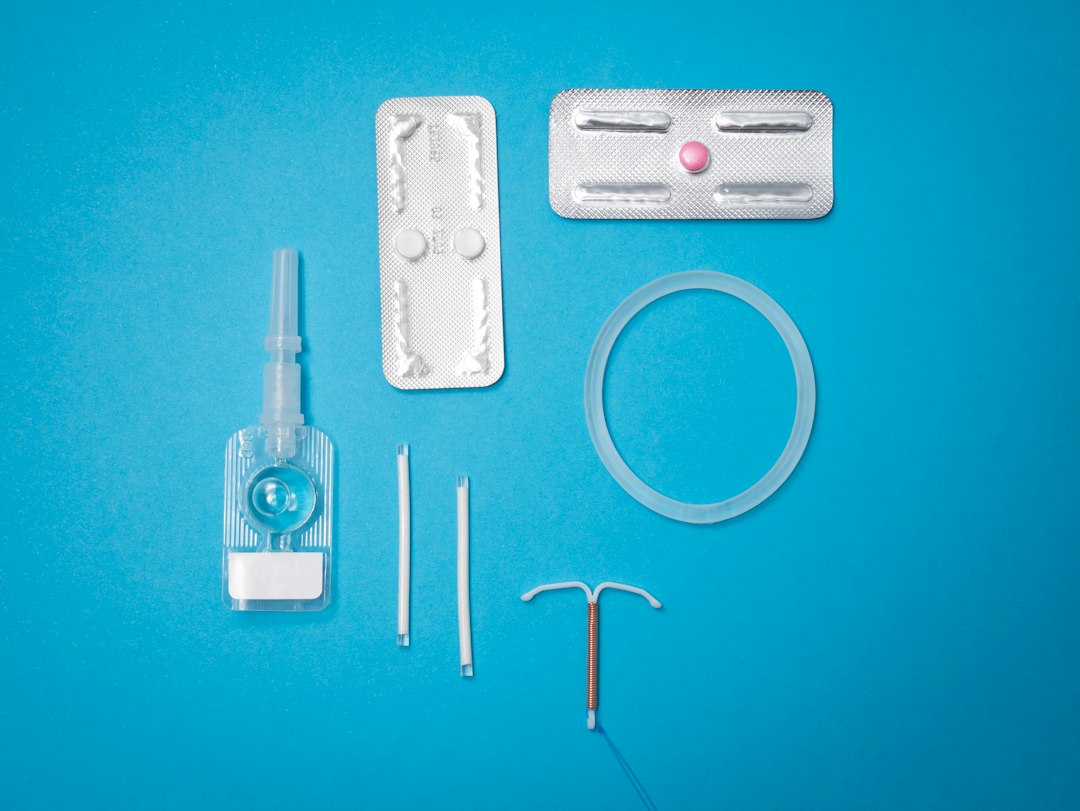
IVF (In Vitro Fertilization) is an assisted reproductive technology that involves combining eggs and sperm in a laboratory to form embryos, which are then transplanted into the uterus to achieve pregnancy. IVF can help single women realize their dream of having children.
Choosing the Right Institution
Selecting a suitable institution for fertility preservation and IVF treatment is crucial. Institutions like NYC In Vitro Fertilization, PC, in New York, are renowned for their high-quality services and professional medical teams. Dr. Elassar and her team at NYC IVF combine scientific and holistic care to provide personalized treatment plans. For those considering surrogacy, Joy of Life Surrogacy in Ontario offers comprehensive support.
The Process of Egg Freezing
The egg freezing process involves the following steps:
- Initial Examination: Doctors will conduct an initial examination, including blood tests and ultrasound scans, to assess ovarian function and egg quality.
- Ovarian Stimulation: Doctors will use medication to stimulate the ovaries to produce multiple eggs.
- Egg Retrieval: Doctors will use ultrasound-guided needles to retrieve eggs.
- Egg Freezing: The retrieved eggs will be frozen for future use.
The Process of Embryo Freezing
The embryo freezing process involves the following steps:
- Initial Examination: Doctors will conduct an initial examination, including blood tests and ultrasound scans, to assess ovarian function and egg quality.
- Egg Retrieval: Doctors will use ultrasound-guided needles to retrieve eggs.
- Sperm Collection: Male partners will need to provide a sperm sample.
- IVF: Eggs and sperm will be combined in a laboratory to form embryos.
- Embryo Freezing: The formed embryos will be frozen for future transplantation into the uterus.
The IVF Process
The IVF process involves the following steps:
- Initial Examination: Doctors will conduct an initial examination, including blood tests and ultrasound scans, to assess ovarian function and egg quality.
- Ovarian Stimulation: Doctors will use medication to stimulate the ovaries to produce multiple eggs.
- Egg Retrieval: Doctors will use ultrasound-guided needles to retrieve eggs.
- Sperm Collection: Male partners will need to provide a sperm sample.
- IVF: Eggs and sperm will be combined in a laboratory to form embryos.
- Embryo Transfer: The formed embryos will be transplanted into the uterus.
Conclusion
Fertility preservation is a vital consideration for single women. By understanding the reasons for declining fertility, methods of fertility preservation, IVF technology, and choosing the right institution, single women can better plan their reproductive futures. If you have fertility needs, consider consulting professional medical institutions like NYC In Vitro Fertilization, PC, or Fertility New York for personalized advice and treatment.