
Uterine Fibroids and IVF: Do I Need Surgery First?
Uterine fibroids can impact IVF success rates, but surgery may not always be necessary. Learn how fibroids affect IVF and when surgery is recommended.
Uterine Fibroids and IVF: Do I Need Surgery First?
Uterine fibroids are a common type of tumor that affects the female reproductive system, and they can impact the success rate of in vitro fertilization (IVF). For women preparing for IVF, it's essential to understand how fibroids can affect treatment outcomes and whether surgery is necessary.
What are Uterine Fibroids?
Uterine fibroids are non-cancerous growths that develop in or around the uterus. They can vary in size and number, and their growth is influenced by estrogen levels, making them more common in women of childbearing age.
How Uterine Fibroids Affect IVF
Research suggests that uterine fibroids can negatively impact IVF success rates by:
- Reducing embryo implantation rates
- Increasing miscarriage rates
- Lowering pregnancy rates
Do I Need Surgery Before IVF?
The decision to undergo surgery before IVF depends on several factors, including:
- The size and location of the fibroids
- The number of fibroids
- The patient's age and ovarian function
- The underlying reason for IVF
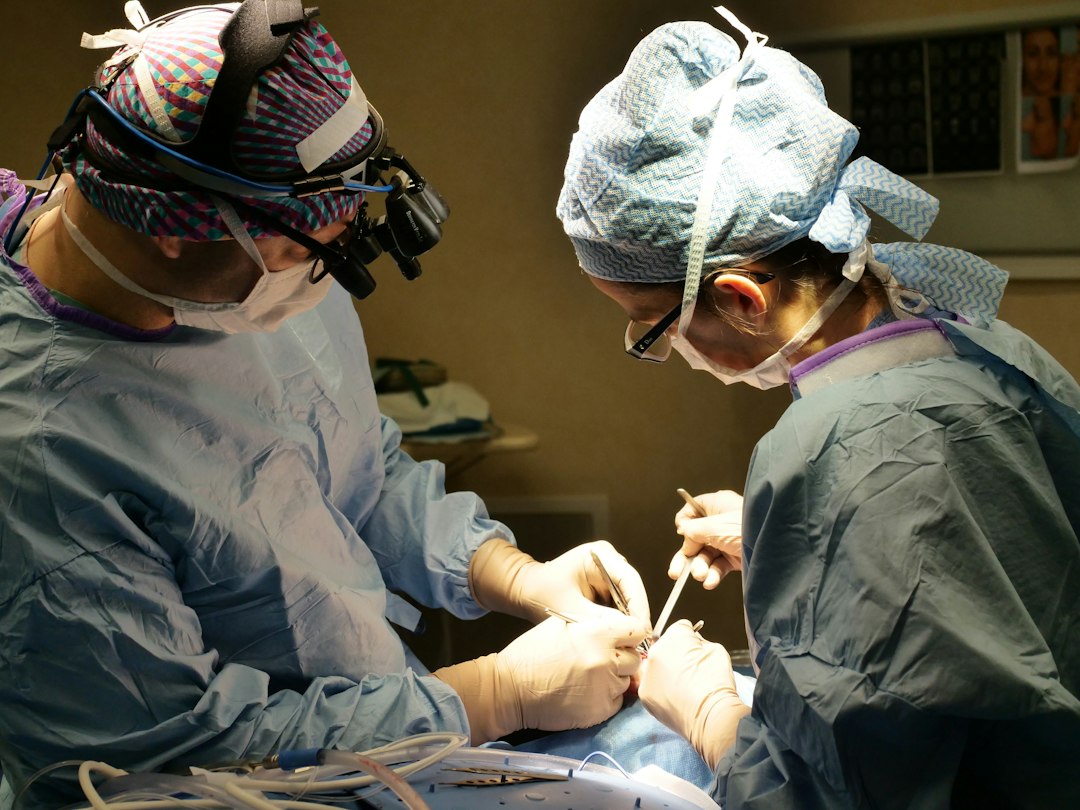
If fibroids are large or interfere with the uterine cavity, they may affect embryo implantation and development. In such cases, a doctor may recommend surgical removal of the fibroids before proceeding with IVF.
Surgical Removal of Uterine Fibroids
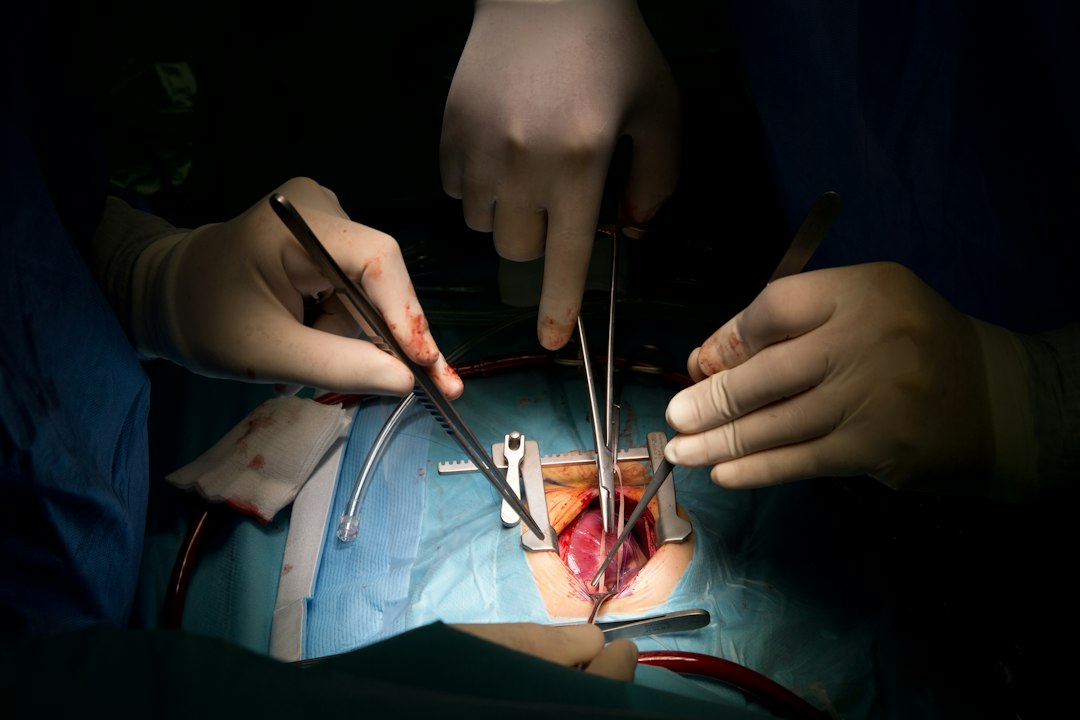
Fibroid removal surgery can be performed through open surgery or laparoscopic surgery, with a relatively short recovery time. Patients can usually return to their normal activities quickly.
IVF Treatment
IVF is an assisted reproductive technology that helps infertile couples conceive through egg fertilization and embryo transfer. IVF can address various infertility issues, including those caused by uterine fibroids.
For personalized care and high-quality treatment, consider consulting with experts at reputable fertility clinics, such as NYC In Vitro Fertilization, PC, in New York, which combines scientific and holistic care to provide tailored treatment plans. Their team, led by Dr. Elassar, has received a 5-star rating on Google.
Conclusion
Uterine fibroids can impact IVF success rates, but surgery may not always be necessary. It's crucial to consult with a healthcare professional to determine the best course of action and create a personalized treatment plan. With the right guidance, women can optimize their chances of a successful IVF outcome.