
A Comprehensive Guide to IVF: Assisted Reproductive Technology
IVF, or in vitro fertilization, is a type of assisted reproductive technology that helps many infertile couples achieve their dream of having a child. Understanding the IVF process is a crucial step towards a successful pregnancy. This article provides an in-depth look at the IVF process.
Introduction to IVF
IVF, or in vitro fertilization-embryo transfer technology, is a common technique in the field of assisted reproduction. It involves combining an egg and sperm in a laboratory to form an embryo, which is then transferred to a woman's uterus, helping couples achieve parenthood.
Overview of the IVF Process
The IVF process involves multiple steps, including initial examinations, ovulation induction, egg retrieval, sperm collection, in vitro fertilization, embryo culture, and embryo transfer. Below, we will explain each step in detail.
Initial Examinations
Before starting the IVF process, both partners need to undergo a series of examinations. These tests aim to assess the couple's fertility and determine if they are suitable for IVF.
- Female: Typically, hormone level tests, ultrasound examinations of the uterus and ovaries, and fallopian tube patency tests are required.
- Male: Usually, a semen analysis is necessary to evaluate sperm count, motility, and morphology.
Ovulation Induction

Ovulation induction is a critical step in the IVF process. By injecting ovulation-inducing medications, the ovaries are stimulated to produce multiple eggs, increasing the chances of success.
Egg Retrieval
When the eggs are mature, an egg retrieval procedure is performed. This surgery is typically done under local anesthesia, and using vaginal ultrasound guidance, the eggs are aspirated.
Sperm Collection
On the same day as egg retrieval, the male partner needs to provide a sperm sample. After processing, the sperm sample is used to fertilize the eggs.
In Vitro Fertilization
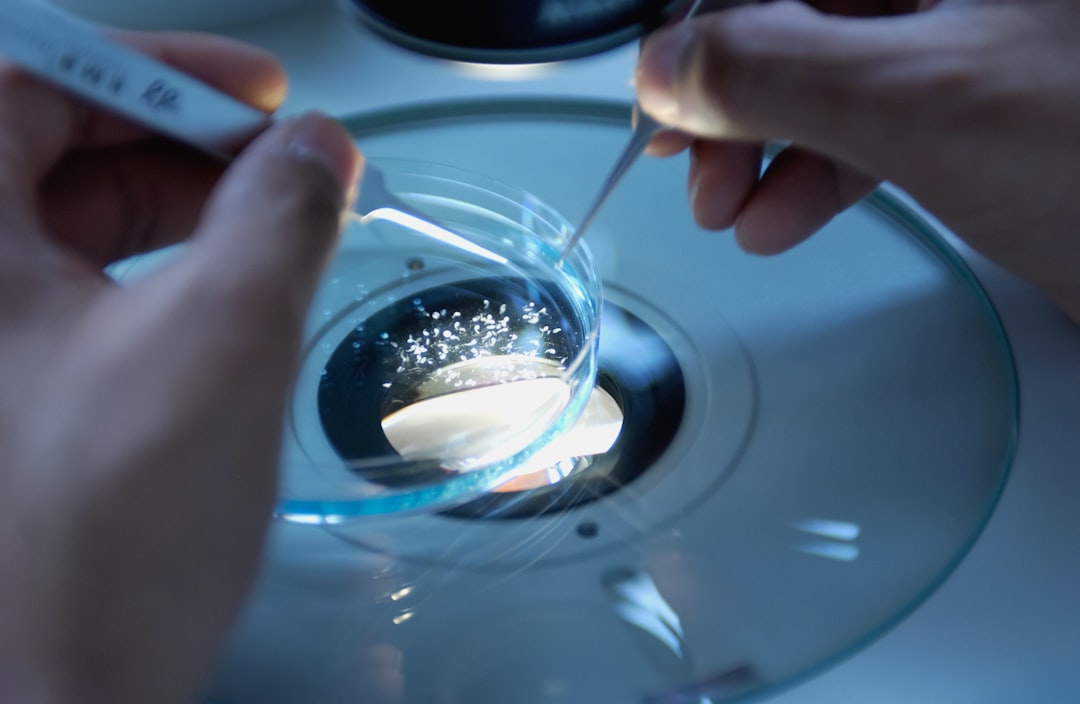
The retrieved eggs and sperm are combined in a laboratory to form a zygote. This process usually takes place in a culture dish.
Embryo Culture
The zygote is cultured in the laboratory for 3-5 days to form an embryo. During this period, embryologists evaluate the embryo's quality and select the best-quality embryo for transfer.
Embryo Transfer
Embryo transfer is the final step in the IVF process. The high-quality embryo is transferred into the uterus through a transfer tube. The transfer process is usually painless and does not require anesthesia.
Post-Transfer Care
After transfer, women need to undergo luteal support therapy to help the embryo implant. Typically, a pregnancy test is performed two weeks after transfer to confirm if the treatment was successful.
For those seeking professional IVF services, institutions like F.I.R.S.T., the Florida Institute for Reproductive Sciences and Technologies, in Weston, Florida, offer comprehensive services, including IVF and donor egg services, with a 5-star rating on Google. Their team of reproductive endocrinologists provides expert care to help patients achieve their fertility goals.
Alternatively, Chicago IVF in Skokie, Illinois, is known for its affordable pricing and high-quality services, also with a 5-star rating on Google. They strive to make fertility care accessible to everyone.
In Dedham, Massachusetts, Fertility Solutions, PC provides a wide range of infertility treatments, earning a 5-star rating on Google. Their experienced team is dedicated to helping patients build their families.
The IVF process, although complex, can be navigated with ease by understanding each step and choosing the right institution and doctor. With proper treatment and care, you too can have your own IVF baby.