

A Comprehensive Guide to IVF: Assisted Reproduction Journey
IVF is a type of assisted reproductive technology that helps infertile couples achieve their dream of parenthood. This article provides an in-depth look at the IVF process, including preparation, treatment steps, and essential considerations. By understanding IVF, you can better prepare for and navigate the treatment.
Overview of IVF
IVF, or In Vitro Fertilization, is a type of assisted reproductive technology that involves combining an egg and sperm in a laboratory to form an embryo, which is then transferred to a woman's uterus. This technique helps infertile couples achieve their dream of parenthood.
Preparation
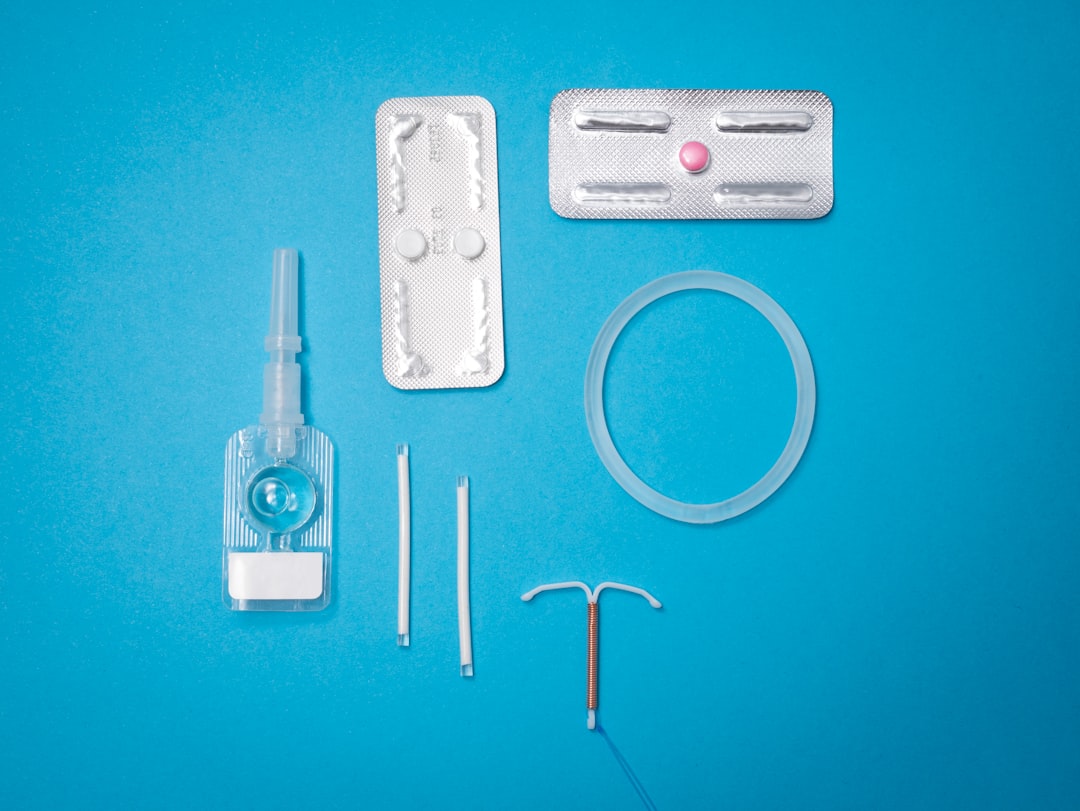
Before starting IVF treatment, it's essential to prepare yourself physically, mentally, and financially:
- Physical examination: Undergo a comprehensive physical check-up to ensure your body is suitable for IVF treatment.
- Mental preparation: IVF treatment can cause psychological stress and anxiety, so it's crucial to be mentally prepared.
- Financial preparation: IVF treatment can be costly, so it's essential to plan financially.
IVF Process
The IVF process involves the following steps:
1. Ovulation Induction
Before starting IVF treatment, you'll need to undergo ovulation induction therapy to stimulate your ovaries to release multiple eggs. This is typically achieved through injections of ovulation-inducing medications.
2. Egg Retrieval
When the eggs are mature, a doctor will use ultrasound-guided puncture technology to retrieve the eggs. This process is usually performed under anesthesia.
3. Sperm Collection
Meanwhile, your partner will need to provide a sperm sample.
4. In Vitro Fertilization
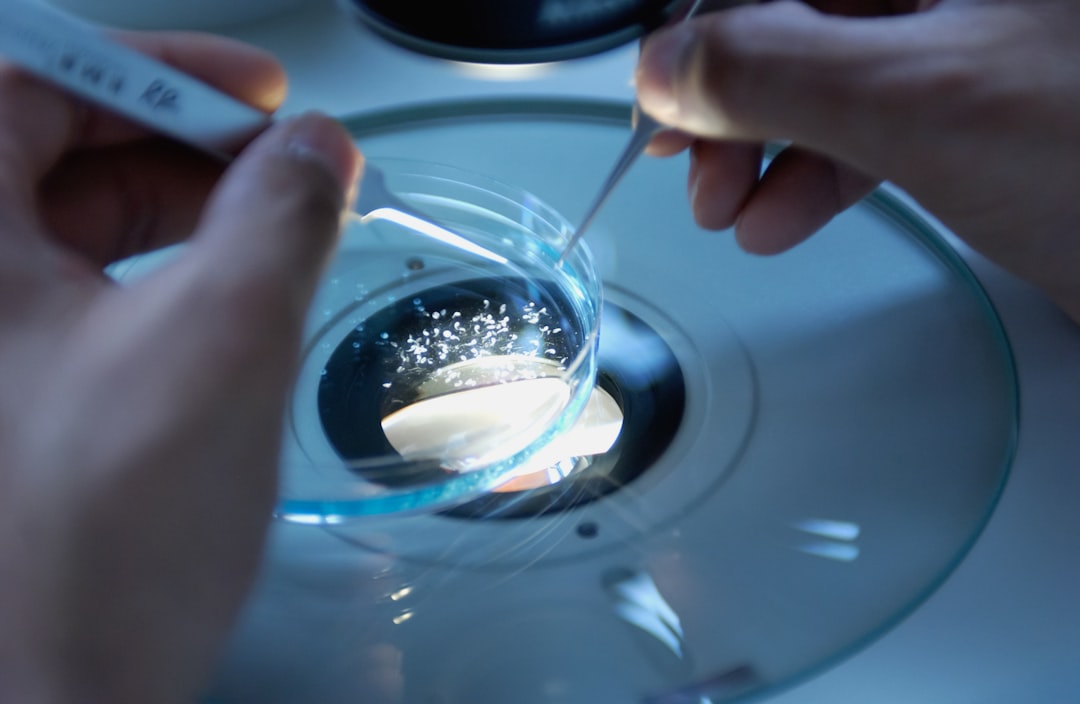
The collected eggs and sperm will be combined in a laboratory to form an embryo.
5. Embryo Culture
The embryo will be cultured in a laboratory for 3-5 days to assess its quality and development.
6. Embryo Transfer
High-quality embryos will be transferred to your uterus. This process usually doesn't require anesthesia.
7. Post-Transfer Care
After the transfer, you'll need to undergo post-transfer care, including rest, dietary adjustments, and medication.
IVF Treatment Considerations
During IVF treatment, keep the following points in mind:
- Choose a reputable hospital: Select a hospital with experience and qualifications, such as F.I.R.S.T. (Florida Institute for Reproductive Sciences and Technologies) in Weston, which boasts a 5-star rating on Google.
- Maintain a healthy lifestyle: Adopt a balanced lifestyle, including a healthy diet, moderate exercise, and sufficient sleep.
- Seek psychological support: IVF treatment can cause psychological stress and anxiety, so it's essential to seek support when needed.
IVF Success Rate
The success rate of IVF depends on various factors, including the woman's age, egg quality, sperm quality, and the hospital's technical level. Generally, the success rate of IVF ranges from 30-50%.
Conclusion
IVF is a type of assisted reproductive technology that helps infertile couples achieve their dream of parenthood. By understanding the IVF process and essential considerations, you can better prepare for and navigate the treatment. If you're looking for professional IVF services, consider Fertility Solutions, PC in Dedham or Chicago IVF in Skokie, both of which have excellent reputations with 5-star ratings on Google.