

A Comprehensive Guide to IVF: Assisted Reproduction Journey
IVF is a type of assisted reproductive technology that helps infertile couples achieve their dream of parenthood. This article provides an in-depth look at the IVF process, including preparation, treatment steps, and essential considerations. By understanding the IVF journey, couples can better prepare themselves for the challenges and opportunities that lie ahead.
Overview of IVF
In Vitro Fertilization (IVF) is a type of assisted reproductive technology that involves combining an egg and sperm in a laboratory to form an embryo, which is then transferred to a woman's uterus to help infertile couples achieve their dream of parenthood.
Preparation
Before starting IVF treatment, it's essential to undergo some preparatory work:
- Comprehensive Physical Examination: A thorough physical examination is necessary to ensure that your body is suitable for IVF treatment.
- Psychological Preparation: IVF treatment can be emotionally challenging, and it's crucial to be mentally prepared for the journey ahead.
- Financial Planning: IVF treatment can be costly, and it's essential to plan financially for the expenses involved.
IVF Process
The IVF process involves several steps:
1. Ovulation Induction
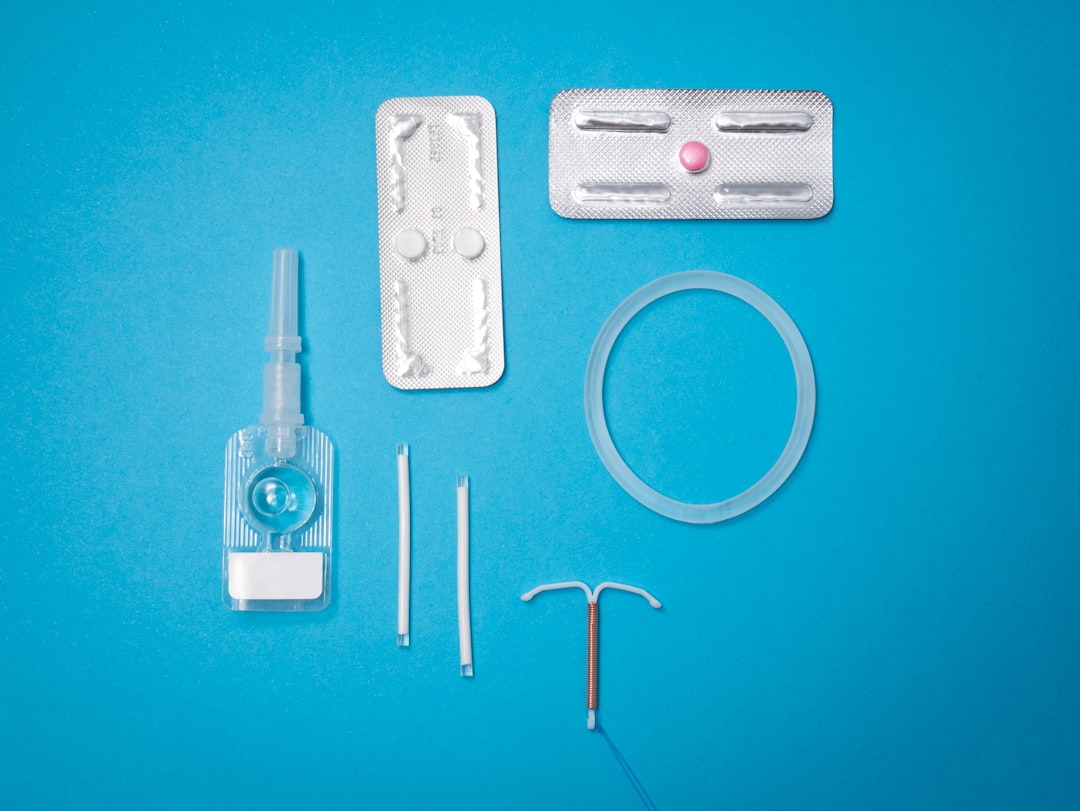
Before starting IVF treatment, you'll need to undergo ovulation induction to increase the number of eggs. There are various types of ovulation induction medications, and your doctor will choose the most suitable one based on your specific situation.
2. Egg Retrieval
When the eggs are mature, your doctor will perform an egg retrieval procedure. The procedure is usually done under local anesthesia, and the retrieved eggs will be sent to the laboratory for fertilization.
3. Sperm Collection
During the egg retrieval process, your partner will need to provide a sperm sample. The sperm sample will be sent to the laboratory for processing and fertilization.
4. Fertilization
The eggs and sperm are combined in the laboratory to form an embryo. There are various fertilization methods, including conventional fertilization and Intracytoplasmic Sperm Injection (ICSI).
5. Embryo Culture
The fertilized embryo will be cultured in the laboratory for 3-5 days. Your doctor will monitor the embryo's growth and select the healthiest one for transfer.
6. Embryo Transfer
Embryo transfer is the final step in IVF treatment. Your doctor will transfer the embryo to your uterus, where it will hopefully implant and develop into a healthy fetus.
Considerations
IVF treatment requires careful consideration of the following factors:
- Age Factor: A woman's age is a significant factor in determining the success rate of IVF. Women under 35 years old tend to have a higher success rate.
- Lifestyle: Maintaining a healthy lifestyle, including a balanced diet, regular exercise, and sufficient sleep, can help improve the success rate of IVF.
- Emotional Well-being: IVF treatment can be emotionally challenging, and it's essential to prioritize your mental well-being throughout the process.
For those seeking professional IVF services, institutions like F.I.R.S.T. (Florida Institute for Reproductive Sciences and Technologies) in Weston, Florida, offer comprehensive IVF and donor egg services with a Google rating of 5. Their team of reproductive endocrinologists provides personalized care and support throughout the IVF journey.
Additionally, Chicago IVF in Skokie, Illinois, is known for setting the standard for fertility care with affordable pricing and a Google rating of 5. They offer high-quality assisted reproductive services, including IVF, to help couples achieve their dream of parenthood.
It's also worth considering Fertility Solutions, PC, in Dedham, Massachusetts, which provides personalized IVF treatment plans and has a Google rating of 5.
IVF treatment is a complex process that requires close collaboration with your doctor. By maintaining a positive attitude and a healthy lifestyle, you can improve your chances of success and bring your dream of parenthood to life.