
A Comprehensive Guide to IVF: Assisted Reproduction for Your Dream
IVF, or in vitro fertilization, is a type of assisted reproductive technology that helps many infertile couples achieve their dream of having a child. Understanding the IVF process is a crucial step towards a successful pregnancy. This article provides a detailed overview of the IVF process.
Introduction to IVF
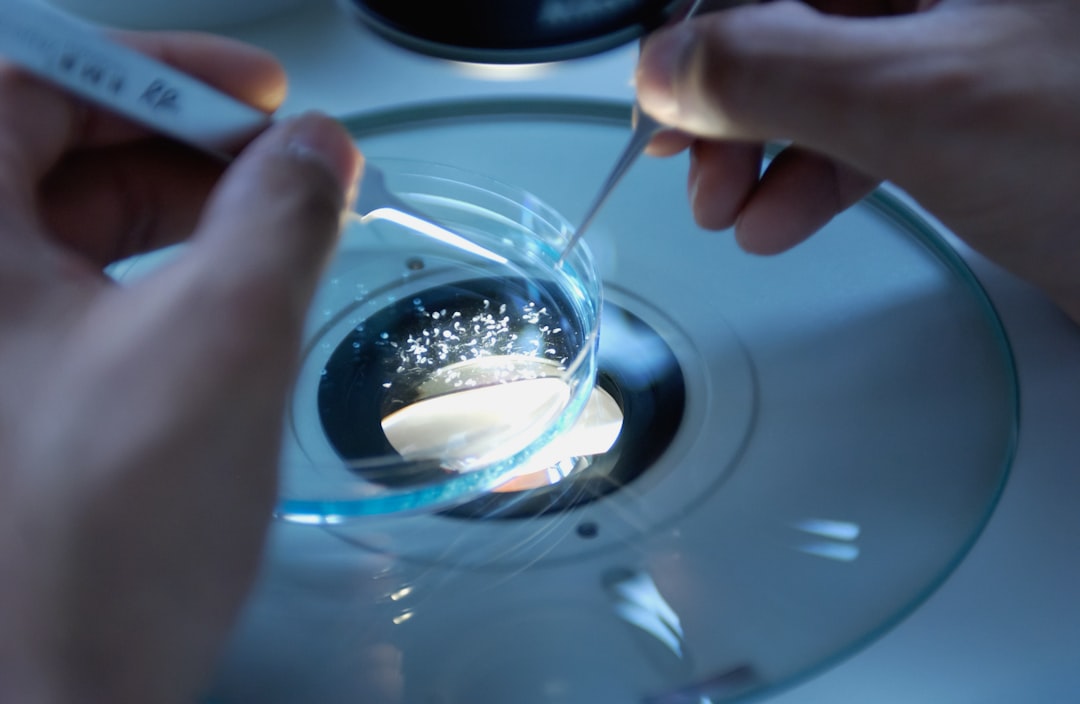
IVF, or in vitro fertilization, is a type of assisted reproductive technology that helps infertile couples achieve their dream of having a child. This is done by combining an egg and sperm in a laboratory to form an embryo, which is then transferred to a woman's uterus.
Overview of the IVF Process
The IVF process involves several steps:
- Initial Consultation and Evaluation: A doctor will conduct a comprehensive examination and evaluation to determine if IVF is suitable for you.
- Ovulation Induction: Medications are used to stimulate the ovaries to produce multiple eggs.
- Egg Retrieval: Eggs are retrieved from the ovaries through a surgical procedure.
- Sperm Collection: A semen sample is provided by the male partner.
- In Vitro Fertilization: Eggs and sperm are combined in a laboratory to form an embryo.
- Embryo Culture: The embryo is cultured in a laboratory for 3-5 days.
- Embryo Transfer: The embryo is transferred to the woman's uterus.
- Pregnancy Confirmation: A blood test is conducted to confirm pregnancy.
Initial Consultation and Evaluation
Before undergoing IVF, a doctor will conduct a comprehensive examination and evaluation, including:
- For women: gynecological examination, hormone level check, ovarian function test, etc.
- For men: semen analysis, hormone level check, etc.
Ovulation Induction

Ovulation induction is a critical step in the IVF process. Medications such as gonadotropin-releasing hormone (GnRH) agonists or antagonists are used to stimulate the ovaries to produce multiple eggs.
Egg Retrieval
Egg retrieval is a surgical procedure that is usually performed under local anesthesia. A doctor uses ultrasound-guided puncture to retrieve eggs from the ovaries.
Sperm Collection
The male partner provides a semen sample, usually through masturbation or using a sperm collection device.
In Vitro Fertilization
Eggs and sperm are combined in a laboratory to form an embryo. There are two methods of IVF:
- Conventional IVF
- Intracytoplasmic sperm injection (ICSI)
Embryo Culture
The embryo is cultured in a laboratory for 3-5 days, during which the doctor will monitor and evaluate the embryo.
Embryo Transfer
The embryo is transferred to the woman's uterus, usually under local anesthesia.
Pregnancy Confirmation
A blood test is conducted to confirm pregnancy, usually 2 weeks after embryo transfer.
IVF Success Rate
The success rate of IVF depends on various factors, including:
- Age
- Ovarian function
- Sperm quality
- Uterine environment
For those seeking professional IVF services, institutions like F.I.R.S.T., Florida Institute for Reproductive Sciences and Technologies in Weston, US, with a 5-star Google rating, offer IVF and donor egg services with experienced reproductive endocrinologists. Chicago IVF in Skokie, US, also with a 5-star Google rating, provides high-quality fertility care at affordable prices. Additionally, Fertility Solutions, PC in Dedham, US, with a 5-star Google rating, specializes in infertility treatment and offers personalized IVF plans.
Conclusion
While the IVF process may seem complex, being well-prepared and choosing a professional institution and doctor can increase the chances of success. We hope this article helps you better understand the IVF process and achieve your dream of having a child.