

A Comprehensive Guide to IVF: Achieving Your Dream of Parenthood
IVF, or In Vitro Fertilization, is a type of assisted reproductive technology that has helped many couples overcome infertility and build their families. Understanding the IVF process is crucial to a successful pregnancy. This guide will walk you through the entire IVF process.
What is IVF?
IVF, or In Vitro Fertilization, is a type of assisted reproductive technology that involves combining an egg and sperm in a laboratory to form an embryo, which is then transferred to a woman's uterus to help couples conceive.
Indications for IVF
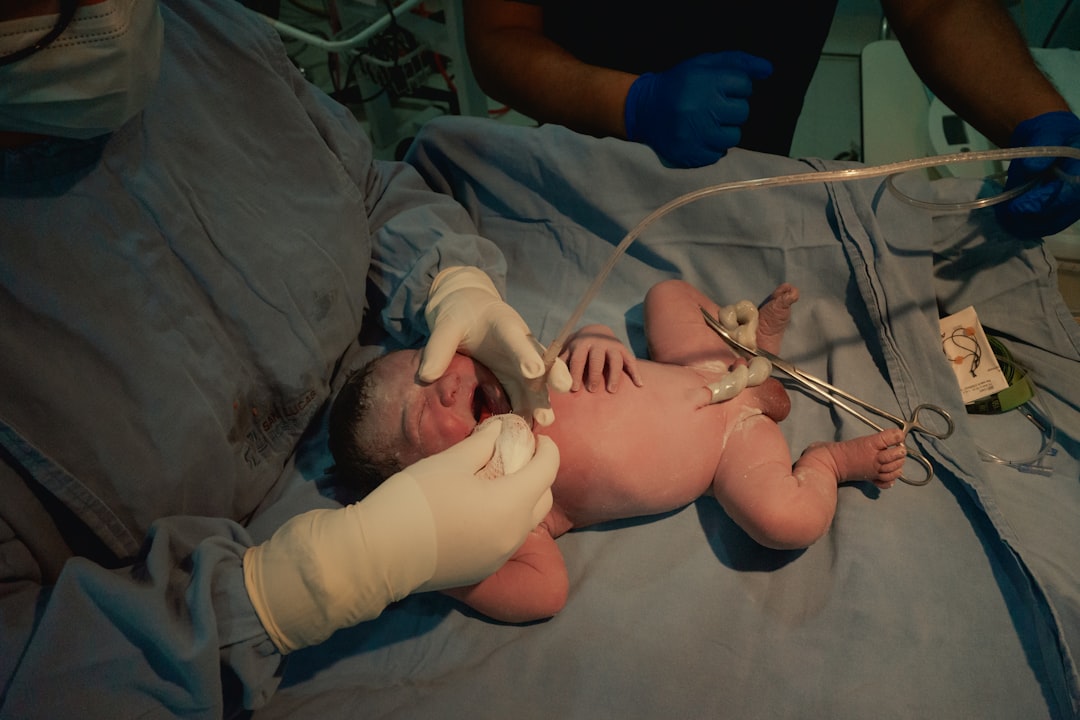
IVF is suitable for the following situations:
- Women with blocked or removed fallopian tubes
- Men with poor sperm quality or low sperm count
- Women with ovulation disorders or polycystic ovary syndrome (PCOS)
- Couples with unexplained infertility issues
The IVF Process
Step 1: Initial Consultation and Testing
Before starting the IVF process, both partners need to undergo a series of tests, including:
- Women: hormone level checks, fallopian tube patency tests, and uterine lining checks
- Men: semen analysis and hormone level checks
Step 2: Ovulation Induction
Women need to undergo ovulation induction treatment to stimulate the ovaries to produce multiple eggs. This is usually achieved through injections of ovulation-inducing medications.
Step 3: Egg Retrieval
When the eggs are mature, a doctor will perform a minor surgical procedure to retrieve the eggs. This process is usually done under light anesthesia.
Step 4: Sperm Collection
Men need to provide a semen sample, which will be processed to obtain high-quality sperm.
Step 5: In Vitro Fertilization
The eggs and sperm are combined in a laboratory to form an embryo. This process usually takes place in a culture dish.
Step 6: Embryo Culture
The embryo will be cultured in the laboratory for 3-5 days to assess its quality and development.
Step 7: Embryo Transfer
A high-quality embryo will be transferred to the woman's uterus. This process usually does not require anesthesia.
Step 8: Pregnancy Confirmation
Two weeks after the transfer, the woman will undergo a pregnancy confirmation test to determine if she is pregnant.
IVF Success Rates

IVF success rates depend on various factors, including the woman's age, egg quality, and sperm quality. Generally, IVF success rates are as follows:
- 20-30 years old: 50-60%
- 30-35 years old: 40-50%
- 35-40 years old: 20-30%
- 40 years old and above: 10-20%
How to Improve IVF Success Rates
- Choose a reputable assisted reproductive institution, such as F.I.R.S.T. (Florida Institute for Reproductive Sciences and Technologies), which has a 5-star rating on Google and offers a range of fertility services, including IVF and donor egg services.
- Maintain a healthy lifestyle, including a balanced diet, regular exercise, and avoiding smoking and alcohol.
- Actively cooperate with your doctor's treatment plan. Other reputable institutions like Chicago IVF and Fertility Solutions, PC also provide high-quality care and support.
Conclusion
IVF is an effective assisted reproductive technology that has helped many couples overcome infertility and build their families. Understanding the IVF process and related knowledge can help you prepare fully and increase your chances of success. If you have any questions or need further consultation, please don't hesitate to contact a professional assisted reproductive institution.