
A Comprehensive Guide to Frozen Embryo Transfer in IVF
Frozen embryo transfer is a crucial step in IVF treatment, helping infertile couples achieve their dream of parenthood. By transferring cryopreserved embryos to the uterus, this process offers a second chance for pregnancy. Learn more about the process, benefits, and considerations.
What is Frozen Embryo Transfer?
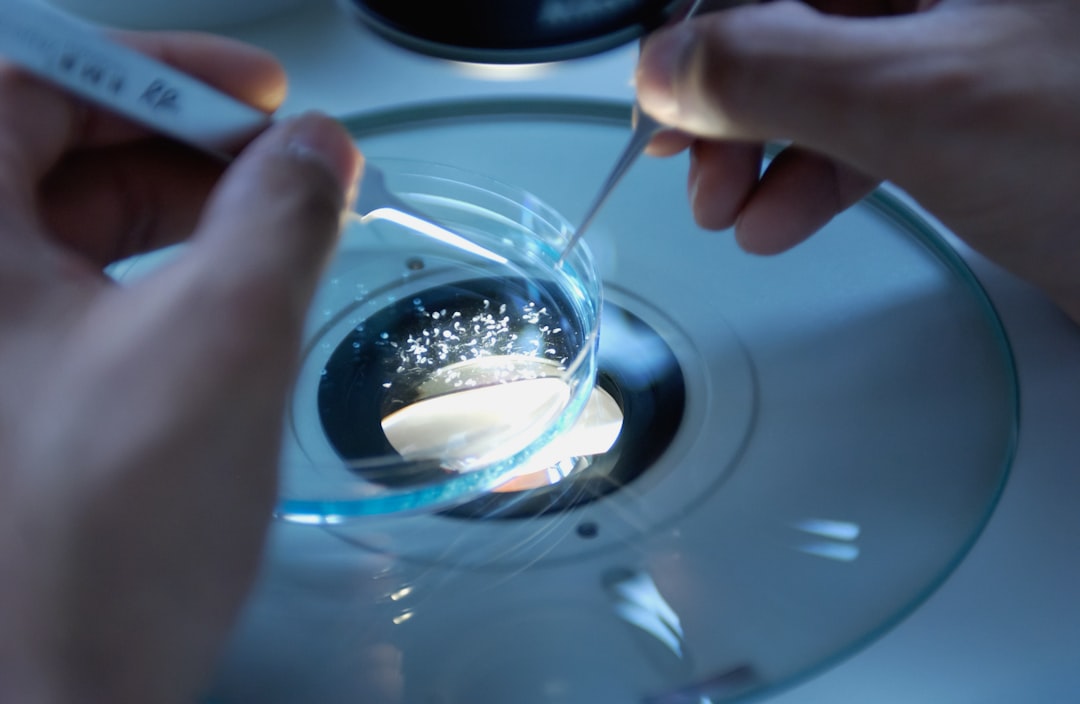
Frozen embryo transfer (FET) involves transplanting a cryopreserved embryo into a woman's uterus at a specific time to facilitate pregnancy. In in vitro fertilization (IVF) treatment, FET is a key step, particularly for patients with multiple embryos available for transfer.
Why is Frozen Embryo Transfer Necessary?

During IVF treatment, multiple embryos are often obtained, but not all can be transferred in a fresh cycle. The remaining high-quality embryos can be cryopreserved for future transfers. FET increases the chances of a successful IVF outcome, reduces the need for repeated egg retrieval and transfer procedures, and provides patients with additional opportunities for pregnancy.
The Frozen Embryo Transfer Process
- Embryo Freezing: Embryos obtained during IVF treatment are evaluated, and high-quality ones are selected for cryopreservation.
- Thawing: Before transfer, the frozen embryo is thawed. Modern thawing techniques have high survival rates.
- Transfer: The thawed embryo is transferred to the woman's uterus at a specific time. This process is usually painless, similar to a cervical cancer screening.
- Pregnancy Confirmation: About two weeks after transfer, a blood test confirms whether pregnancy has occurred.
Advantages of Frozen Embryo Transfer
- Improved Success Rates: FET can increase IVF success rates, as the uterine environment can be better prepared before transfer.
- Cost-Effective: Cryopreserving embryos avoids the need for repeated egg retrieval and transfer procedures, reducing treatment costs.
- Increased Opportunities: Frozen embryos provide patients with more transfer opportunities, enhancing the overall pregnancy rate.
Considerations for Frozen Embryo Transfer
- Endometrial Preparation: Preparing the uterine lining is crucial for FET success. Doctors may use hormone replacement therapy to prepare the endometrium.
- Transfer Timing: The timing of transfer is critical, usually performed at a specific point in the menstrual cycle.
- Emotional Preparation: FET is a complex process; patients need to be emotionally prepared and actively cooperate with their doctor's treatment.
Choosing the Right Medical Institution
When considering IVF and FET, selecting an experienced and technologically advanced medical institution is vital. Institutions like F.I.R.S.T. (Florida Institute for Reproductive Sciences and Technologies) in Weston, known for their expert reproductive endocrinologists and comprehensive services, including IVF and donor egg services, come highly recommended with a 5-star Google rating. Similarly, Chicago IVF in Skokie and Fertility Solutions, PC in Dedham have also earned 5-star ratings, offering top-notch fertility care with affordable pricing and personalized attention.
Conclusion
Frozen embryo transfer is a pivotal element in IVF treatment. By understanding the process, benefits, and considerations, you can better prepare for your IVF journey. Choosing the right medical institution and actively cooperating with your doctor's treatment will increase your chances of achieving your dream of parenthood.