
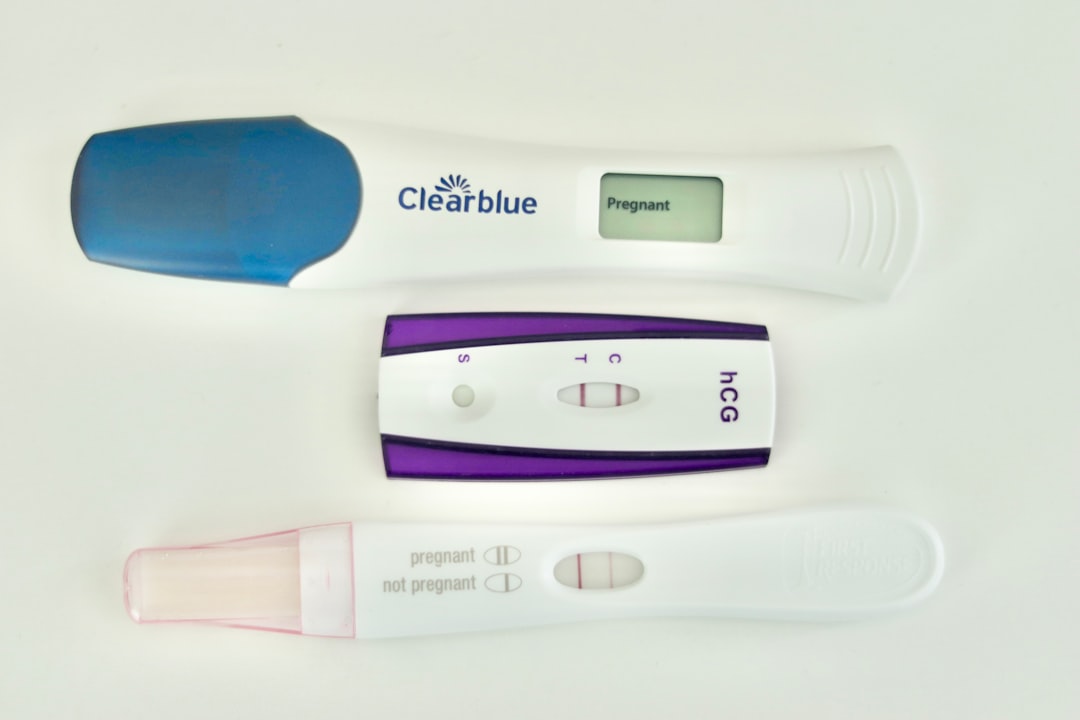
A Comprehensive Guide to IVF Treatment
IVF is a type of assisted reproductive technology that helps infertile couples achieve their dream of having a child. This article provides an overview of the IVF process, including preparation, treatment steps, and important considerations. By understanding the IVF process, couples can better prepare for and navigate treatment.
Introduction to IVF
IVF, or In Vitro Fertilization, is a type of assisted reproductive technology that helps infertile couples achieve their dream of having a child. This is achieved by combining an egg and sperm in a laboratory to form an embryo, which is then transferred to a woman's uterus.
Preparation for IVF Treatment

Before starting IVF treatment, couples need to undergo a series of tests and preparations. These tests include:
- Female: hormone level tests, ovarian function tests, and uterine lining checks.
- Male: semen analysis and hormone level tests.
In addition to these medical preparations, couples also need to prepare psychologically, adjusting their mindset and facing the treatment process with a positive attitude.
IVF Treatment Steps
The IVF treatment process involves several stages:
1. Ovulation Induction
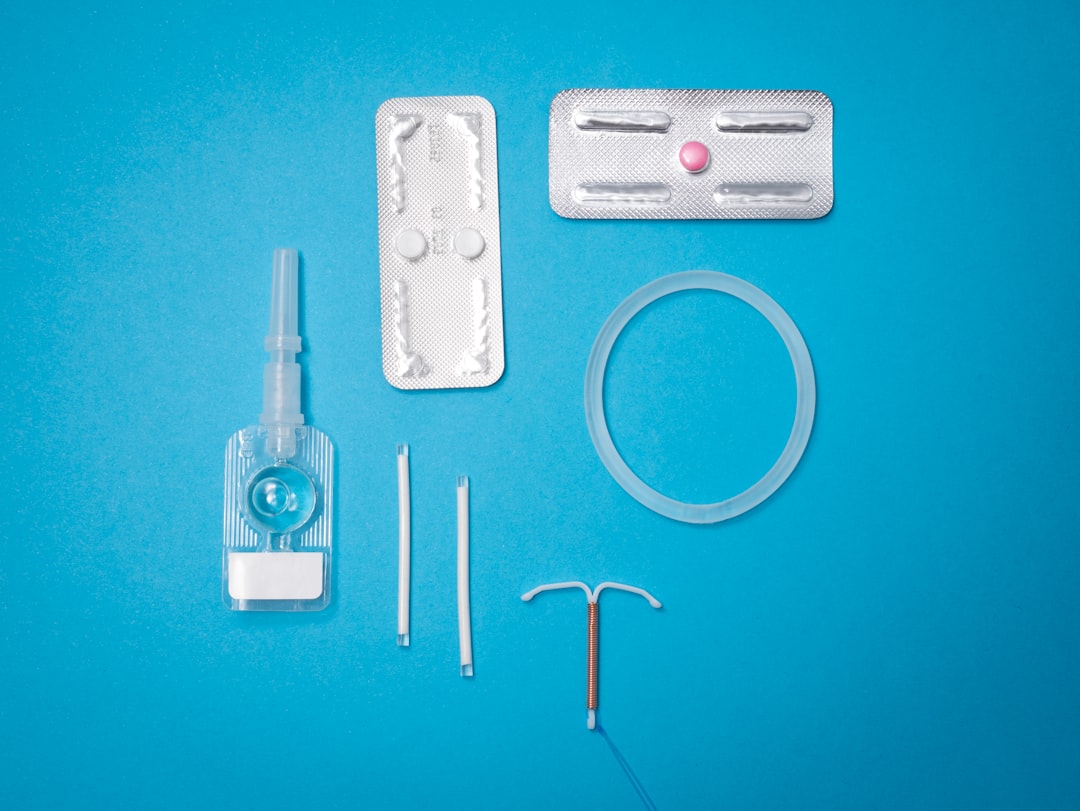
Before starting IVF treatment, women need to undergo ovulation induction therapy to stimulate the ovaries to release multiple eggs. There are several types of ovulation induction medications, and doctors will choose the most suitable one based on individual circumstances.
2. Egg Retrieval
When the eggs are mature, doctors will perform an egg retrieval procedure. This is usually done under local anesthesia, and the retrieved eggs will be sent to a laboratory for fertilization.
3. Sperm Collection
Men need to provide a sperm sample, which will be washed and optimized to improve fertilization rates.
4. Fertilization
The eggs and sperm are combined in a laboratory to form an embryo. There are two methods of fertilization: conventional fertilization and intracytoplasmic sperm injection.
5. Embryo Culture
The embryo will be cultured in a laboratory for 3-5 days to assess its quality and development.
6. Embryo Transfer
High-quality embryos will be transferred to a woman's uterus, usually without pain.
7. Pregnancy Confirmation
Two weeks after transfer, women need to undergo a pregnancy confirmation test to determine if they are pregnant.
Important Considerations for IVF Treatment
During IVF treatment, couples need to pay attention to the following:
- Maintain a healthy lifestyle, balanced diet, and adequate sleep.
- Avoid smoking, drinking, and other unhealthy habits.
- Face the treatment process with a positive attitude and maintain a good mental state.
For couples seeking professional IVF treatment, institutions like NYC In Vitro Fertilization, PC, in New York, US, come highly recommended, with a Google rating of 5. Dr. Elassar and her team at NYC IVF combine scientific and holistic care to provide personalized treatment for patients. Similarly, Fertility New York, also led by Dr. Elassar, offers comprehensive care to help patients achieve their reproductive goals.
Conclusion
IVF is a type of assisted reproductive technology that helps infertile couples achieve their dream of having a child. By understanding the IVF process, couples can better prepare for and navigate treatment. If you have any questions or need help, please consult a professional IVF institution.