

A Comprehensive Guide to IVF: Achieving Your Dream of Parenthood
IVF is a type of assisted reproductive technology that helps many infertile couples realize their dream of having a child. Understanding the IVF process is a crucial step towards a successful pregnancy. This article provides a detailed overview of the IVF process.
Introduction to IVF
IVF, or In Vitro Fertilization, is a type of assisted reproductive technology that helps infertile couples achieve their dream of having a child. This process involves combining an egg and sperm in a laboratory to form an embryo, which is then transferred to a woman's uterus.
Overview of the IVF Process
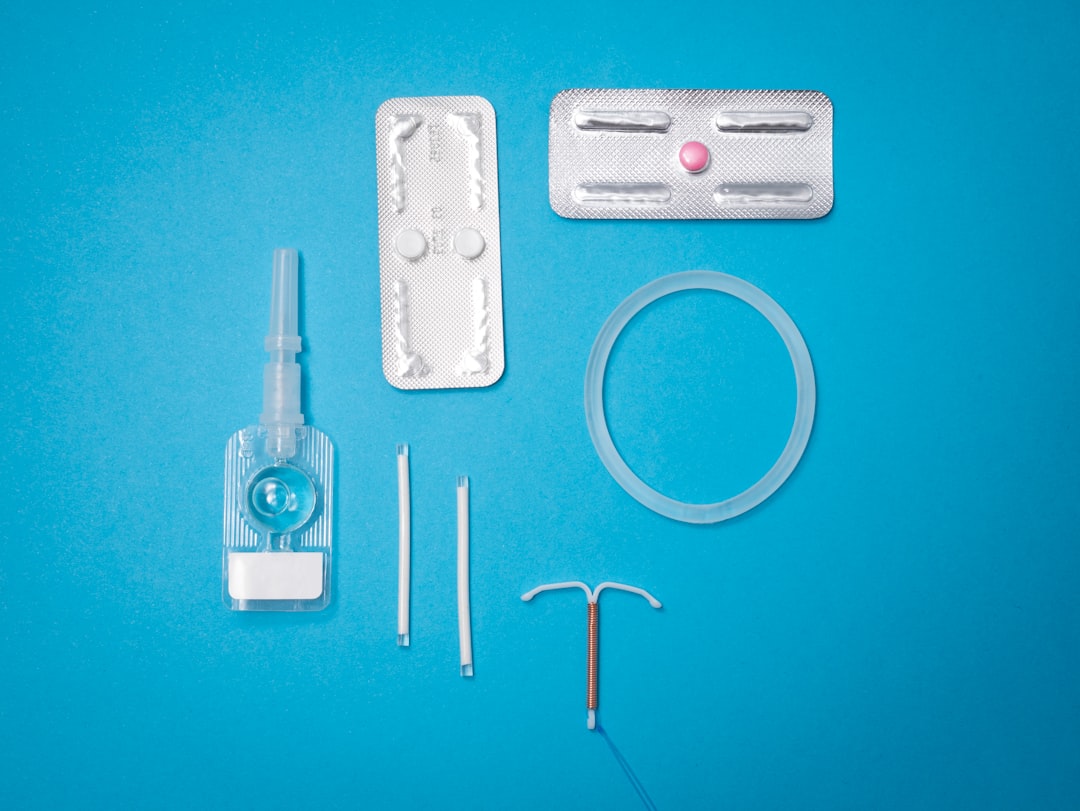
The IVF process involves several steps:
- Initial Consultation and Evaluation: Both partners undergo comprehensive examinations, including reproductive system checks, hormone level tests, and semen analysis, to determine if IVF is suitable for them.
- Ovulation Induction: Women receive injections of ovulation-inducing medication to stimulate the ovaries to release multiple eggs.
- Egg Retrieval: Doctors collect eggs from the ovaries through a puncture surgery.
- Sperm Collection: Men provide a sperm sample.
- In Vitro Fertilization: Eggs and sperm are combined in a laboratory to form an embryo.
- Embryo Culture: Embryos are cultured in a laboratory for 3-5 days.
- Embryo Transfer: The embryo is transferred to a woman's uterus.
- Pregnancy Confirmation: Pregnancy is confirmed two weeks after transfer.
Initial Consultation and Evaluation
The initial consultation and evaluation are the first steps in the IVF process. Both partners undergo comprehensive examinations, including:
- Reproductive system checks: Women are checked for normal ovaries and uterus, while men are checked for normal seminal vesicles and vas deferens.
- Hormone level tests: Women's hormone levels are checked for normality.
- Semen analysis: Men's sperm count, quality, and vitality are checked.
Ovulation Induction and Egg Retrieval

Ovulation induction is a critical step in the IVF process. Women receive injections of ovulation-inducing medication to stimulate the ovaries to release multiple eggs. Egg retrieval typically occurs 36 hours after ovulation induction.
In Vitro Fertilization and Embryo Culture
In vitro fertilization involves combining eggs and sperm in a laboratory to form an embryo. Embryo culture typically takes 3-5 days.
Embryo Transfer
Embryo transfer involves transferring the embryo to a woman's uterus. After transfer, women are advised to rest for 2-3 days.
Pregnancy Confirmation
Pregnancy is confirmed two weeks after transfer. If pregnancy is successful, women need to undergo prenatal care to ensure the health of the fetus.
IVF Success Rate
The success rate of IVF depends on multiple factors, including a woman's age, ovarian function, and sperm quality. Generally, the success rate of IVF is between 30-50%.
Choosing the Right IVF Institution
Choosing the right IVF institution is crucial. For instance, institutions like F.I.R.S.T. (Florida Institute for Reproductive Sciences and Technologies) in Weston, US, with a 5-star Google rating, offer high-quality IVF and donor egg services with experienced reproductive endocrinologists. Similarly, Chicago IVF in Skokie, US, provides affordable and high-quality fertility care, also with a 5-star Google rating. Fertility Solutions, PC in Dedham, US, is another reputable institution with a 5-star Google rating, offering personalized fertility treatment plans.
Conclusion
IVF is a type of assisted reproductive technology that helps many infertile couples realize their dream of having a child. Understanding the IVF process is a crucial step towards a successful pregnancy. By choosing the right IVF institution and doctor, couples can increase their chances of success.