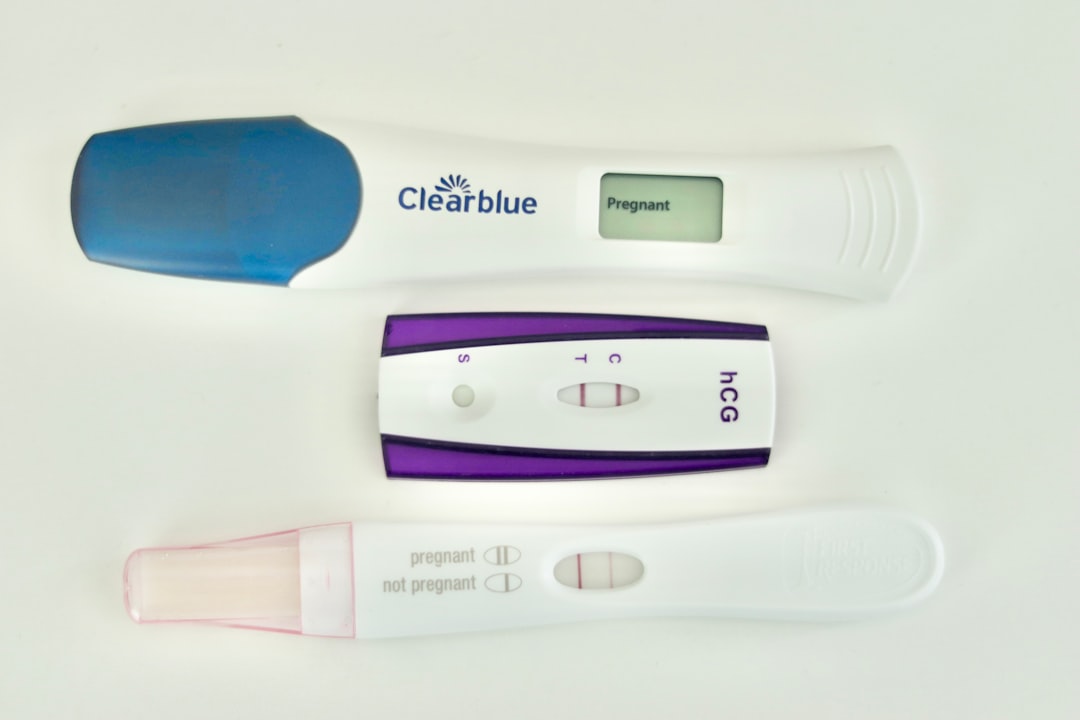
A Comprehensive Guide to IVF Process: From Preparation to Success
IVF is a complex process that helps couples or individuals achieve pregnancy without natural conception. Understanding each stage of the process is crucial for a successful IVF trip. From choosing the right hospital and doctor to completing the IVF process, every detail matters.
The First Step: Preparation
The IVF process begins with preparation. Patients need to choose a suitable hospital and doctor, understanding their experience and success rates. F.I.R.S.T., Florida Institute for Reproductive Sciences and Technologies, is a highly-rated institution with experienced reproductive endocrinologists offering IVF and donor egg services. Chicago IVF is another reputable option, known for its affordable pricing and high success rates. Fertility Solutions, PC, also has a team of experienced reproductive endocrinologists providing IVF and other fertility treatments.
The Second Step: Screening and Preparation
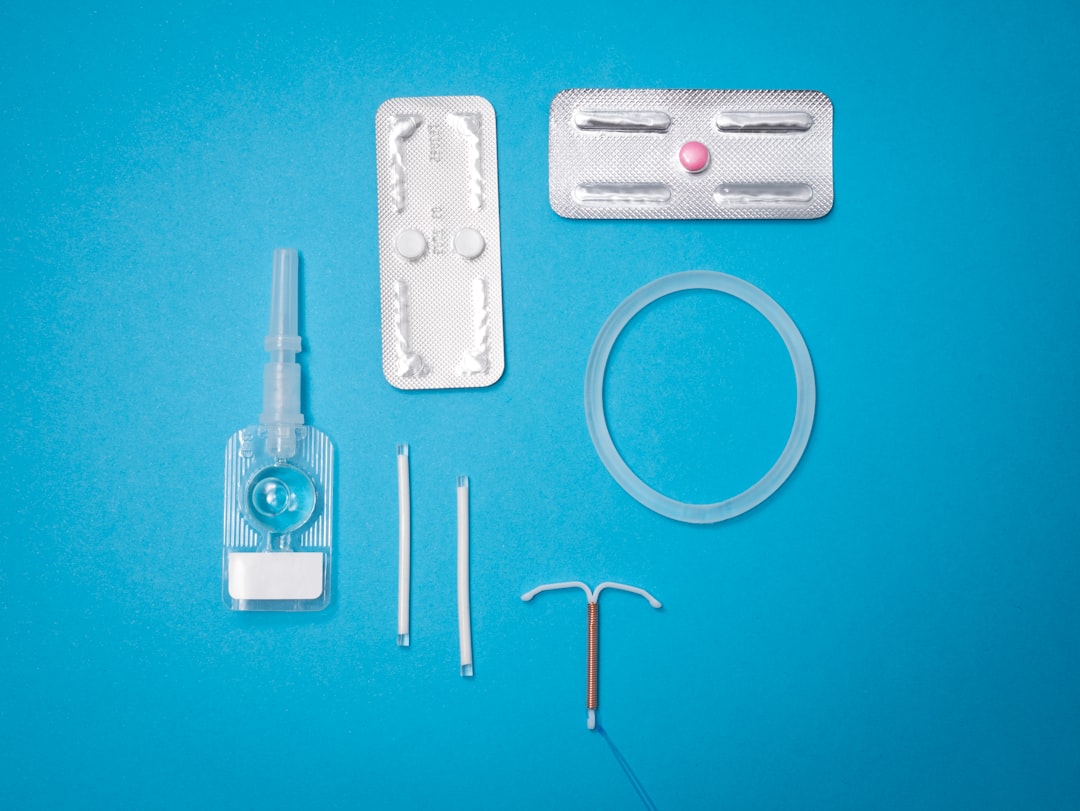
After selecting a hospital and doctor, the next step is screening and preparation. Patients undergo a series of tests, including physical exams, blood tests, and reproductive system checks. These tests aim to determine if the patient is suitable for IVF.
The Third Step: Hormone Treatment
Hormone treatment is a crucial step in the IVF process. Patients take hormone medications to stimulate the ovaries to produce eggs. This treatment typically lasts several weeks until the eggs are mature.
The Fourth Step: Egg Retrieval

Once the eggs are mature, the next step is egg retrieval. This is usually done through a minimally invasive surgical procedure, where the patient is under anesthesia.
The Fifth Step: Fertilization
After egg retrieval, the next step is fertilization. This is typically done in a laboratory, where the eggs are combined with sperm in a specialized culture medium.
The Sixth Step: Embryo Culture
After fertilization, the next step is embryo culture. The embryo is cultured in a laboratory until it reaches the optimal age for transfer.
The Seventh Step: Transfer
The final step is transfer. The embryo is transferred to the uterus, and the patient is monitored and cared for in the hospital.
The Final Step: Pregnancy and Delivery
After a successful transfer, the patient is monitored and cared for in the hospital. It usually takes several weeks for the patient to discover they are pregnant. The delivery process is similar to natural pregnancy, and the patient is monitored and cared for in the hospital.