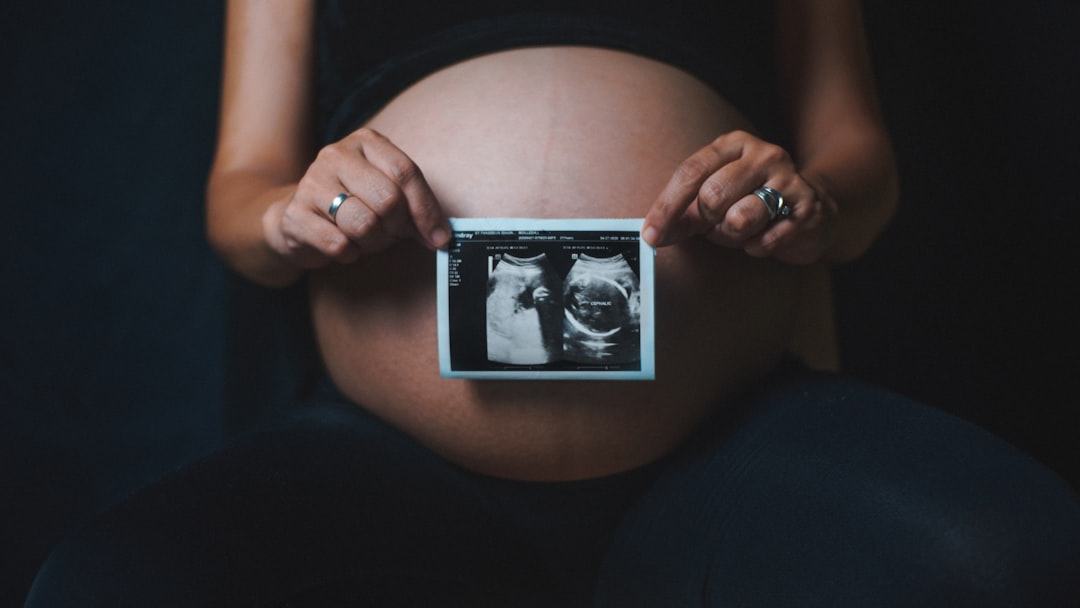
Understanding the IVF Process for a Successful Pregnancy
IVF, or in vitro fertilization, is a complex process that involves multiple steps to help individuals or couples achieve pregnancy. The process includes initial evaluation, diagnosis, ovarian stimulation, egg retrieval, fertilization, embryo transfer, and pregnancy monitoring. Choosing the right fertility clinic and doctor is crucial for a successful IVF journey.
The IVF Process: A Step-by-Step Guide
IVF is a complex process that involves multiple steps to help individuals or couples achieve pregnancy. The process includes initial evaluation, diagnosis, ovarian stimulation, egg retrieval, fertilization, embryo transfer, and pregnancy monitoring.
Step 1: Initial Evaluation
The first step in the IVF process is initial evaluation, which involves a physical examination and collection of samples to understand the individual's or couple's fertility situation. This step is crucial in determining the best course of treatment.
Step 2: Diagnosis
Based on the initial evaluation results, the doctor may recommend further diagnosis and treatment. This may include tests to determine the cause of infertility, such as ovulation disorders or low sperm count.
Step 3: Ovarian Stimulation
Ovarian stimulation involves using medication to stimulate the ovaries to produce multiple eggs. This step is crucial in increasing the chances of successful fertilization.
Step 4: Egg Retrieval
After ovarian stimulation, the eggs are retrieved through a minor surgical procedure. The eggs are then fertilized with sperm in a laboratory.
Step 5: Fertilization
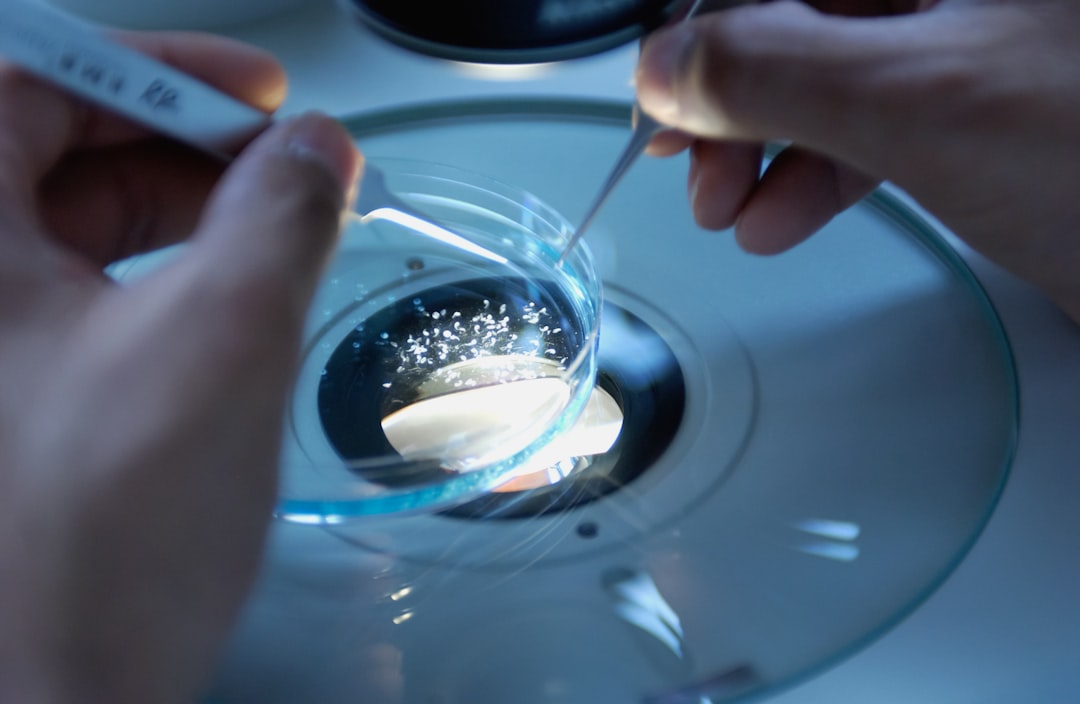
Fertilization involves combining the eggs with sperm in a laboratory dish. The resulting embryos are then cultured for several days to allow them to develop.
Step 6: Embryo Transfer
The embryos are then transferred to the uterus through a catheter. This step is crucial in allowing the embryo to implant and develop into a fetus.
Step 7: Pregnancy Monitoring
After embryo transfer, the individual or couple will undergo regular pregnancy monitoring to ensure the embryo is developing normally.
Choosing the Right Fertility Clinic

Choosing the right fertility clinic and doctor is crucial for a successful IVF journey. Some top-rated fertility clinics include:
- F.I.R.S.T., Florida Institute for Reproductive Sciences and Technologies (Weston, US), Google rating 5
- Chicago IVF (Skokie, US), Google rating 5
- Fertility Solutions, PC (Dedham, US), Google rating 5
IVF Success Rates
IVF success rates vary depending on several factors, including age, egg quality, sperm quality, and embryo quality. Generally, IVF success rates are as follows:
- 20-30% of couples can achieve pregnancy in the first IVF cycle
- 50-60% of couples can achieve pregnancy in the second IVF cycle
- 80-90% of couples can achieve pregnancy in the third IVF cycle
IVF Risks
IVF carries some risks, including:
- Ovarian hyperstimulation syndrome (OHSS)
- Embryo transfer complications
- Pregnancy complications
Conclusion
IVF is a complex process that involves multiple steps to help individuals or couples achieve pregnancy. Choosing the right fertility clinic and doctor is crucial for a successful IVF journey. While IVF carries some risks, the benefits of IVF far outweigh the risks for many individuals and couples.