
A Comprehensive Guide to IVF: Achieving Your Dream of Parenthood
IVF, or In Vitro Fertilization, is a type of assisted reproductive technology that has helped many couples overcome infertility and build their families. Understanding the IVF process is crucial to a successful pregnancy. This guide will walk you through the entire IVF process.
What is IVF?
IVF, or In Vitro Fertilization, is a type of assisted reproductive technology that involves fertilizing an egg with sperm in a laboratory, creating an embryo, and then transferring it to a woman's uterus to help couples conceive.
Indications for IVF
IVF is suitable for the following situations:
- Women with blocked or removed fallopian tubes
- Men with poor sperm quality or low sperm count
- Unexplained infertility
- Same-sex couples or single women
Overview of the IVF Process
The IVF process typically involves the following steps:
1. Initial Consultation and Testing

Before starting the IVF process, both partners need to undergo a series of tests, including:
- Women: hormone level tests, fallopian tube patency tests, uterine lining checks, etc.
- Men: semen analysis, hormone level tests, etc.
These tests help doctors understand the couple's fertility situation and determine if IVF is suitable for them.
2. Ovulation Induction
Ovulation induction is a critical step in the IVF process. Women need to inject ovulation-inducing medications to stimulate the ovaries to release multiple eggs. The use of these medications requires close monitoring by doctors to avoid overstimulation of the ovaries.
3. Egg Retrieval
Egg retrieval usually takes place after ovulation induction. Under ultrasound guidance, doctors use a special needle to collect eggs from the ovaries. The procedure typically requires local anesthesia.
4. Sperm Collection
Men need to provide a sperm sample, which is then processed and washed to remove impurities and improve sperm quality.
5. In Vitro Fertilization
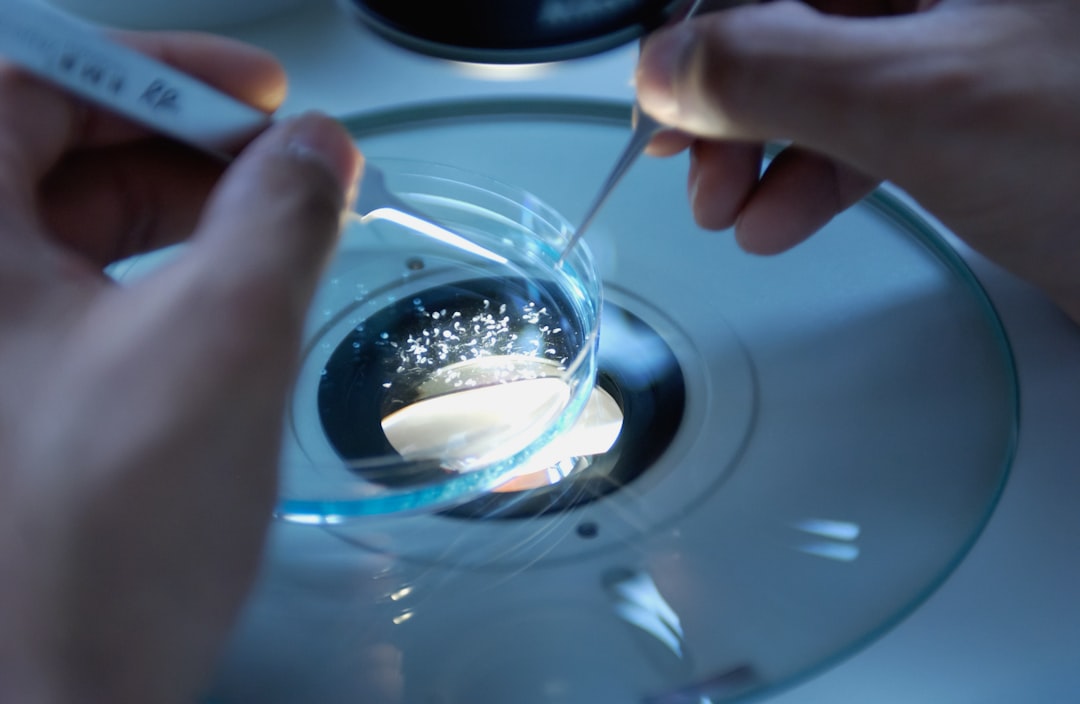
The eggs and sperm are combined in a laboratory to create an embryo. This process usually takes place in a culture dish containing a special medium that supports embryo growth.
6. Embryo Culture
The embryo is cultured in the laboratory for 3-5 days. Doctors monitor the embryo's growth and select the best-quality embryo for transfer.
7. Embryo Transfer
Embryo transfer is the final step in the IVF process. The embryo is transferred to the woman's uterus, usually without anesthesia.
IVF Success Rates
IVF success rates depend on various factors, including the woman's age, egg quality, and sperm quality. Generally, IVF success rates are as follows:
- Women under 35: 40-50%
- Women aged 35-37: 30-40%
- Women aged 38-40: 20-30%
- Women over 41: 10-20%
Choosing the Right IVF Clinic
Selecting a reputable IVF clinic is crucial to success rates. Clinics like F.I.R.S.T. (Florida Institute for Reproductive Sciences and Technologies) in Weston, Florida, with a 5-star Google rating, offer advanced technology and experienced reproductive endocrinologists. Chicago IVF in Skokie, Illinois, also with a 5-star Google rating, provides affordable pricing and high-quality care. Additionally, Fertility Solutions, PC in Dedham, Massachusetts, with a 5-star Google rating, offers comprehensive fertility services.
Conclusion
IVF is a type of assisted reproductive technology that can help many infertile couples achieve their dream of parenthood. Understanding the IVF process is a critical step towards a successful pregnancy. By choosing the right IVF clinic and doctor, you can increase your chances of success. If you're considering IVF, consult with a professional doctor or clinic to receive personalized advice and guidance.