

Understanding Immunological Infertility: Essential Tests and Treatment Options
Immunological infertility occurs when the immune system affects fertility. Understanding related tests helps patients prepare for IVF treatment. Learn about common causes and diagnostic tests.
What is Immunological Infertility?
Immunological infertility refers to the inability to conceive due to abnormalities in the immune system. This complex issue involves immune reactions that may impact a woman's ability to become pregnant. Understanding the related tests for immunological infertility can help patients better prepare for IVF treatment and improve success rates.
Common Causes of Immunological Infertility

Immunological infertility is typically caused by:
- Autoimmune diseases: such as systemic lupus erythematosus and rheumatoid arthritis.
- Antisperm antibodies: antibodies produced in a woman's body that target sperm, affecting their movement and fertilization capacity.
- Antiphospholipid antibodies: affecting embryo implantation and pregnancy maintenance.
- Other immune factors: such as enhanced natural killer cell activity.
Diagnostic Tests for Immunological Infertility
1. Antinuclear Antibody (ANA) Test
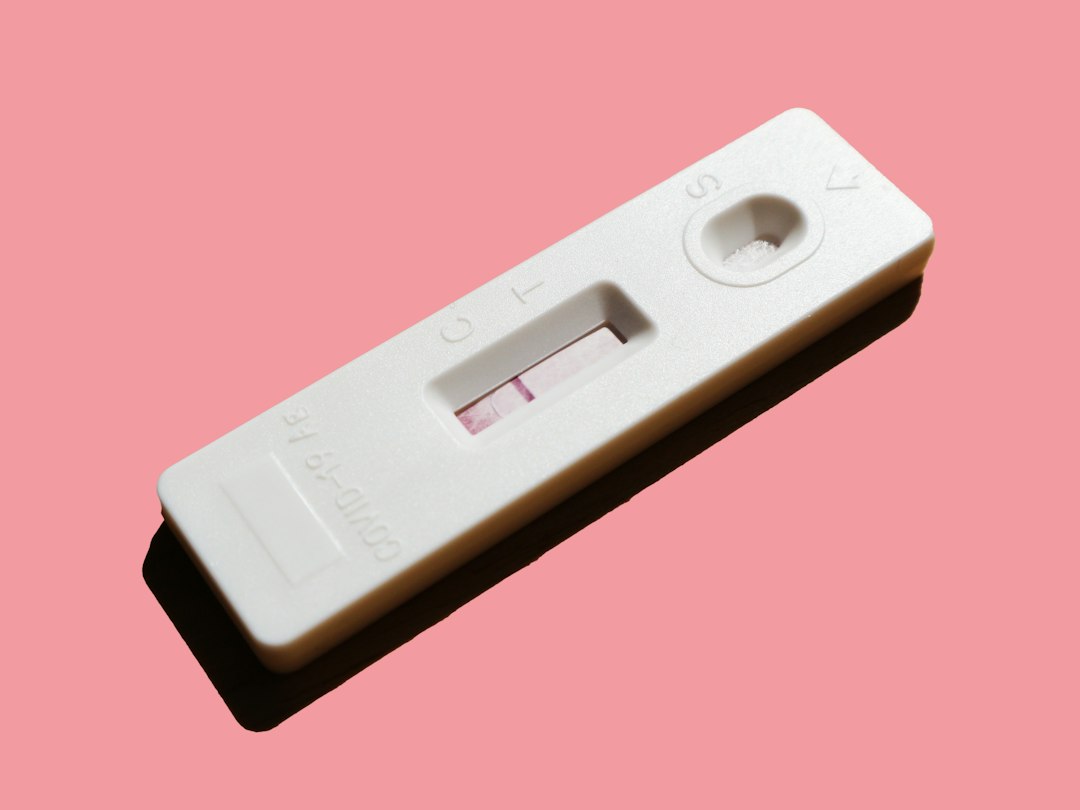
The ANA test is a crucial indicator for evaluating autoimmune diseases. A positive ANA result may suggest the presence of conditions like systemic lupus erythematosus, which can lead to infertility.
2. Antiphospholipid Antibody Test
Antiphospholipid antibodies include anticardiolipin antibodies (aCL) and β2-glycoprotein I antibodies (anti-β2GPI). The presence of these antibodies can lead to recurrent miscarriages, thrombosis, and other issues.
3. Antisperm Antibody (ASA) Test
The ASA test is primarily used for women to determine if there is an immune reaction against sperm. This test helps identify whether immunological factors contribute to infertility.
4. Natural Killer (NK) Cell Activity Test
NK cells play a vital role in the immune system, and abnormal activity may affect embryo implantation and pregnancy maintenance.
5. Other Immunological Tests
Additional related tests include homologous chromosome antibodies and blocking antibodies. These tests provide a comprehensive assessment of a patient's immune status.
Choosing the Right Medical Institution
Selecting a reputable fertility clinic is crucial for the success of IVF treatment.
For patients seeking expert care, institutions like NYC In Vitro Fertilization, PC in New York, led by Dr. Elassar, combine scientific and holistic care to provide personalized treatment plans. With a Google rating of 5, their approach has garnered trust and success.
Similarly, Fertility New York, also led by Dr. Elassar, offers comprehensive services from initial consultations to IVF treatment, earning a Google rating of 5.
For those considering surrogacy and IVF, Joy of Life Surrogacy in Ontario provides one-stop solutions with a Google rating of 5.
Conclusion
Immunological infertility involves various diagnostic tests, and patients should undergo these tests as advised by their doctors. Choosing the right medical institution and a professional team can significantly enhance the success rate of IVF treatment. This article aims to provide valuable information and guidance for patients preparing for IVF.