

Understanding Blastocyst Grades in IVF: AA, AB, BB Explained
Blastocyst grades are crucial in assessing embryo quality during IVF. Learn what AA, AB, and BB grades mean and how they impact your chances of a successful pregnancy. Understanding these grades can help you make informed decisions about your IVF journey.
What is a Blastocyst?
In IVF treatment, culturing embryos to the blastocyst stage is a significant milestone in assisted reproductive technology. A blastocyst is a stage of embryo development, typically forming around day 5-6 of culture. At this point, the embryo has divided into multiple cells and started to form a fluid-filled cavity.
The Importance of Blastocyst Grades
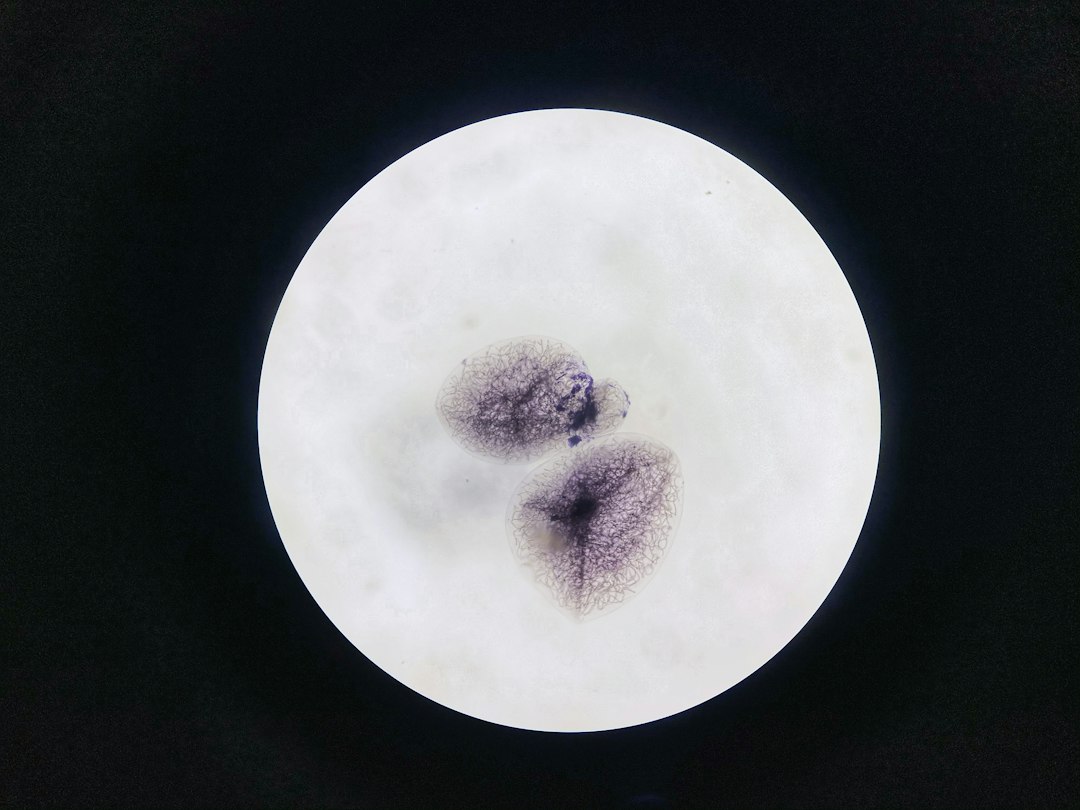
Blastocyst grades are a critical indicator of embryo quality and developmental potential. By evaluating the morphology and structure of the blastocyst, doctors can predict the embryo's implantation ability and pregnancy success rate. Therefore, understanding blastocyst grades is essential for IVF patients.
Blastocyst Grade Evaluation Criteria
Blastocyst grades are typically assessed based on two main features: the inner cell mass (ICM) and the trophectoderm (TE). The ICM will develop into the fetus, while the TE will develop into the placenta and other supporting structures.
Interpreting Blastocyst Grades: AA, AB, BB

Blastocyst grades are often represented by letter combinations, such as AA, AB, or BB. These letters indicate the quality grade of the ICM and TE.
- AA Grade: Both the ICM and TE are graded as A, indicating excellent embryo quality and high implantation potential.
- AB Grade: The ICM is graded as A and the TE as B, or vice versa. This suggests good embryo quality, but with some minor deficiencies.
- BB Grade: Both the ICM and TE are graded as B, indicating average embryo quality, but still with a possibility of successful implantation.
Choosing the Right Blastocyst for Transfer
During IVF treatment, doctors consider factors such as blastocyst grade, patient age, and uterine lining condition to select the most suitable embryo for transfer.
Tips for Improving IVF Success Rates
While blastocyst grades are essential, they are not the only factor. Patients undergoing IVF treatment should maintain a healthy lifestyle and closely follow their doctor's treatment plan to optimize their chances of pregnancy.
Finding the Right IVF Support
For personalized care and expert guidance, consider consulting reputable IVF institutions like NYC In Vitro Fertilization, PC, in New York, which combines scientific and holistic care to provide tailored treatment plans. With a 5-star rating on Google, Dr. Elassar and her team at NYC IVF are dedicated to supporting patients throughout their IVF journey. Alternatively, Fertility New York, also led by Dr. Elassar, offers comprehensive services from consultation to treatment. For those considering surrogacy, Joy of Life Surrogacy in Ontario provides supportive care and personalized attention, with a 5-star rating on Google.
By understanding blastocyst grades and selecting the right IVF support, you can better navigate the challenges of IVF treatment and increase your chances of a successful pregnancy.