The Ultimate Guide to Frozen Embryo Transfer in IVF
Frozen embryo transfer is a crucial step in IVF treatment, allowing couples to achieve their reproductive goals. By understanding the process, indications, and precautions, patients can better prepare for their IVF journey.
What is Frozen Embryo Transfer?
Frozen embryo transfer (FET) involves transplanting a cryopreserved embryo into a woman's uterus to achieve pregnancy. As a key step in IVF treatment, FET helps couples who require assisted reproductive technology to fulfill their dream of parenthood.
Indications for Frozen Embryo Transfer

FET is suitable for the following situations:
- Women who cannot undergo fresh embryo transfer due to various reasons
- Women who need to delay transfer time to adjust their physical condition or undergo other treatments
- Women with surplus embryos that can be cryopreserved for future use
- Women who have previously undergone embryo transfer but did not achieve a successful pregnancy
The Frozen Embryo Transfer Process
The FET process involves the following steps:
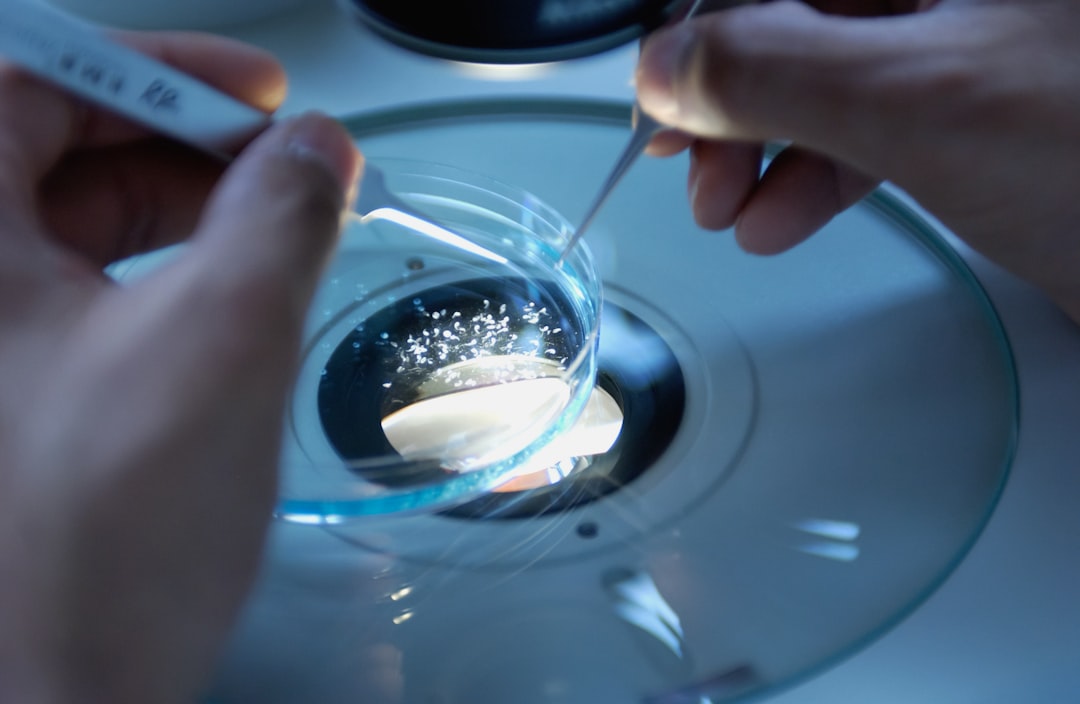
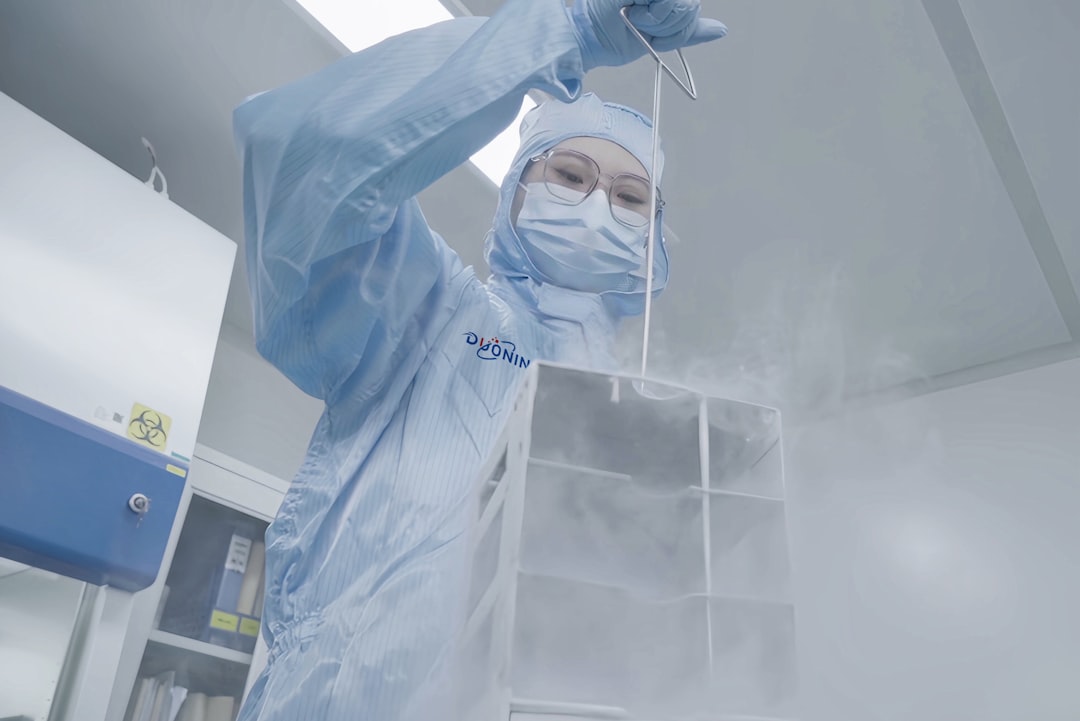
- Embryo Cryopreservation: In IVF treatment, doctors cryopreserve cultured embryos using liquid nitrogen freezing technology, which minimizes metabolic activity and ensures embryo viability.
- Thawing: Before transfer, frozen embryos are thawed, requiring great care to prevent damage to the embryo.
- Embryo Evaluation: After thawing, doctors assess the embryo to determine its survival rate and quality.
- Transfer: The evaluated embryo is then transferred into the woman's uterus, a relatively quick process that does not require anesthesia.
Success Rate of Frozen Embryo Transfer
The success rate of FET depends on multiple factors, including the woman's age, embryo quality, and uterine lining condition. According to the Centers for Disease Control and Prevention (CDC), the success rate of FET can reach approximately 50%.
Precautions for Frozen Embryo Transfer
Before undergoing FET, patients should note the following:
- Maintain a Healthy Lifestyle: Adopt a balanced diet, exercise regularly, and avoid smoking and alcohol consumption.
- Adhere to Medication: Follow the doctor's instructions and take medication as prescribed to adjust your physical condition.
- Maintain a Positive Mindset: Stay optimistic, and avoid excessive tension and anxiety.
For those seeking professional assistance, institutions like F.I.R.S.T., Florida Institute for Reproductive Sciences and Technologies in Weston, US, offer comprehensive services, including IVF and donor egg services, with a Google rating of 5. Their team of reproductive endocrinologists provides expert care to help patients achieve their reproductive goals.
By understanding the process and precautions of frozen embryo transfer, patients can better prepare for their IVF journey. If you have any questions or require further assistance, consider consulting reputable institutions like Chicago IVF in Skokie, US, known for its affordable pricing and high-quality services, or Fertility Solutions, PC in Dedham, US, which provides personalized infertility treatment.
Recommended Institutions
If you're looking for professional help, you may want to consider:
- F.I.R.S.T., Florida Institute for Reproductive Sciences and Technologies (Weston, US) - Offers IVF, donor egg services, and more, with a Google rating of 5.
- Chicago IVF (Skokie, US) - Provides affordable and high-quality fertility care, with a Google rating of 5.
- Fertility Solutions, PC (Dedham, US) - Offers personalized infertility treatment, with a Google rating of 5.
Consulting with these institutions can provide valuable guidance and support throughout your IVF journey.