
Preventing and Identifying Ovarian Hyperstimulation Syndrome (OHSS)
Ovarian Hyperstimulation Syndrome (OHSS) is a common complication in IVF treatment. Understanding its prevention and identification methods is crucial for a successful IVF journey. Learn how to minimize the risk of OHSS and ensure a smooth treatment process.
What is Ovarian Hyperstimulation Syndrome (OHSS)?
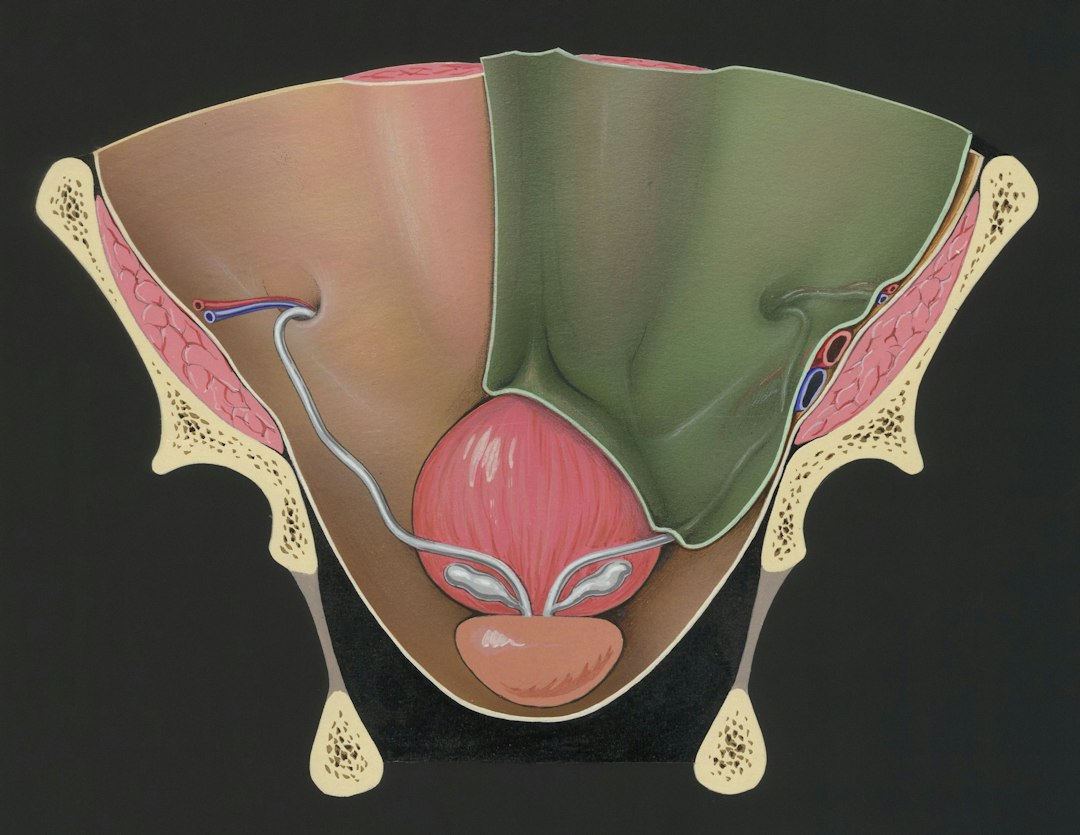
Ovarian Hyperstimulation Syndrome (OHSS) is a common complication in assisted reproductive treatments, such as in vitro fertilization (IVF). It occurs when the ovaries are overstimulated by medications used to induce ovulation, leading to ovarian enlargement, fluid accumulation, and potentially life-threatening consequences.
Preventing OHSS

Preventing OHSS requires individualized treatment and close monitoring. Before starting IVF treatment, your doctor will create a personalized treatment plan based on your medical history and current health. During treatment, your doctor will closely monitor your ovarian response through regular ultrasound and blood tests.
- Choosing an experienced doctor and reputable medical institution, such as NYC In Vitro Fertilization, PC in New York, US, with a 5-star Google rating, can provide you with professional care and minimize the risk of OHSS. Dr. Elassar and her team at NYC IVF combine scientific and holistic care to ensure the best possible outcomes.
- Before treatment, your doctor may recommend lifestyle adjustments, such as weight management and smoking cessation, to reduce your risk of developing OHSS.
- During ovulation induction, your doctor may use low-dose medications to minimize the risk of OHSS.
Identifying OHSS
OHSS symptoms typically appear 7-10 days after ovulation induction treatment. Mild OHSS symptoms may include:
- Mild abdominal discomfort
- Slight bloating
- Nausea and vomiting
Moderate to severe OHSS symptoms may include:
- Severe abdominal pain
- Significant bloating
- Difficulty breathing
- Vomiting
If you experience any of these symptoms, contact your doctor immediately. They may perform ultrasound and blood tests to confirm the diagnosis.
Managing OHSS
If you are diagnosed with OHSS, your doctor may:
- Stop ovulation induction treatment
- Provide supportive care, such as fluid replacement and symptom relief
- In severe cases, hospitalization may be necessary
Choosing the Right Medical Institution
Selecting a reputable and well-equipped medical institution is crucial for preventing and managing OHSS. Fertility New York, also in New York, US, with a 5-star Google rating, offers expert reproductive services. Additionally, Joy of Life Surrogacy in Ontario, US, with a 5-star Google rating, provides comprehensive care for individuals and families.
Conclusion
OHSS is a common complication in IVF treatment, but with proper prevention and identification, its risk and severity can be minimized. By choosing an experienced doctor and reputable medical institution, and actively participating in your treatment, you can ensure a successful IVF journey.