
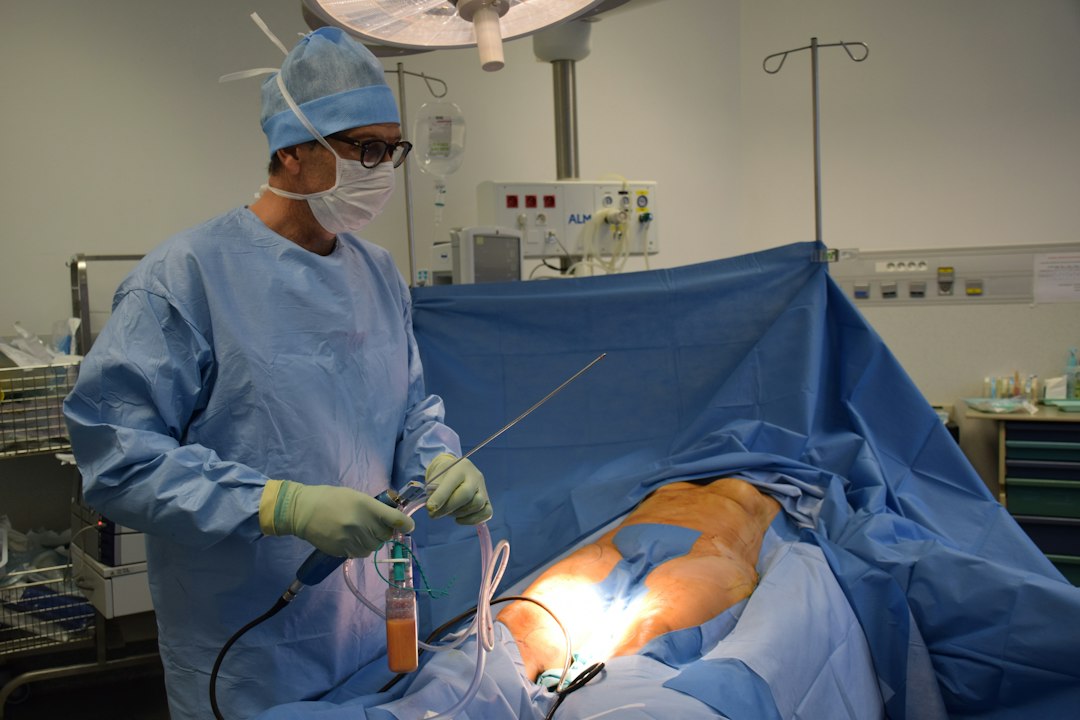
Preparing for HSG: A Crucial Step in IVF Treatment
HSG, or hysterosalpingography, is a vital diagnostic tool in assisted reproductive technology, particularly for IVF treatment. This imaging test assesses the patency of the fallopian tubes and helps doctors determine the best course of treatment. Understanding the procedure and its implications is essential for a successful IVF journey.
What is HSG?
Hysterosalpingography (HSG) is an imaging test used to evaluate the female reproductive system, specifically the patency of the fallopian tubes. In the context of IVF treatment, HSG helps doctors understand the condition of the fallopian tubes, identify any blockages or abnormalities, and develop a more suitable treatment plan.
Pre-HSG Checklist
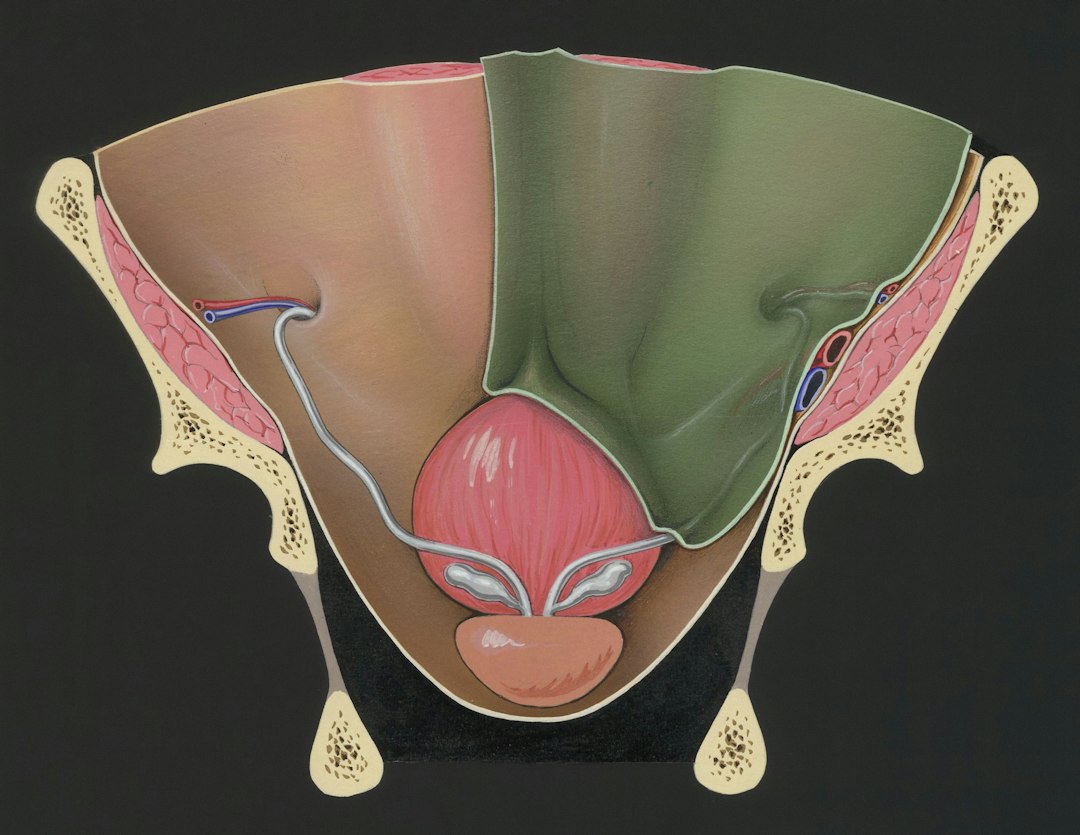
Before undergoing HSG, please note the following:
- Schedule: Book your appointment between days 7-10 of your menstrual cycle, as this is the optimal time for the test.
- Avoid intercourse: Refrain from sexual activity the night before the test to minimize the risk of infection.
- Hygiene: Clean the vulva before the test to maintain cleanliness.
- Diet: No special diet is required, but avoid eating too much before the test.
The HSG Procedure
The HSG test typically takes place in a hospital's radiology department. Here's what you can expect:
- Preparation: You'll be asked to change into a hospital gown and remove your lower body clothing.
- Vaginal speculum examination: A doctor will use a vaginal speculum to open the vagina and inject a contrast agent into the uterus.
- Contrast agent injection: Under X-ray guidance, the doctor will inject the contrast agent through the cervix into the uterus and fallopian tubes.
- X-ray imaging: Multiple X-rays will be taken to observe the flow of the contrast agent through the fallopian tubes.
Post-HSG Precautions
After the test, you may experience some mild discomfort, such as:
- Mild abdominal pain: Some women may feel slight abdominal pain or discomfort, which is normal and usually resolves within a few hours.
- Vaginal bleeding: Light vaginal bleeding or spotting is common and typically resolves within 1-2 days.
- Avoid intercourse: To minimize the risk of infection, avoid sexual activity for a day or two after the test.
- Monitor for abnormal symptoms: If you experience severe abdominal pain, heavy bleeding, or fever, contact your doctor immediately.
Why is HSG Important for IVF Treatment?
HSG helps doctors:
- Assess fallopian tube patency: Understand if there are any blockages or abnormalities in the fallopian tubes.
- Choose the right IVF technique: Based on the condition of the fallopian tubes, select the most suitable IVF technique to improve success rates.
For personalized care and expert guidance, consider consulting reputable fertility clinics like NYC In Vitro Fertilization, PC, in New York, led by Dr. Elassar, which combines scientific and holistic care to achieve exceptional results. Their team has received a 5-star rating for their comprehensive approach to IVF treatment.
By understanding the importance of HSG and taking the necessary precautions, you can better prepare for your IVF journey and increase your chances of success. If you have any questions or concerns, don't hesitate to reach out to a professional medical institution like Fertility New York or Joy of Life Surrogacy for guidance.