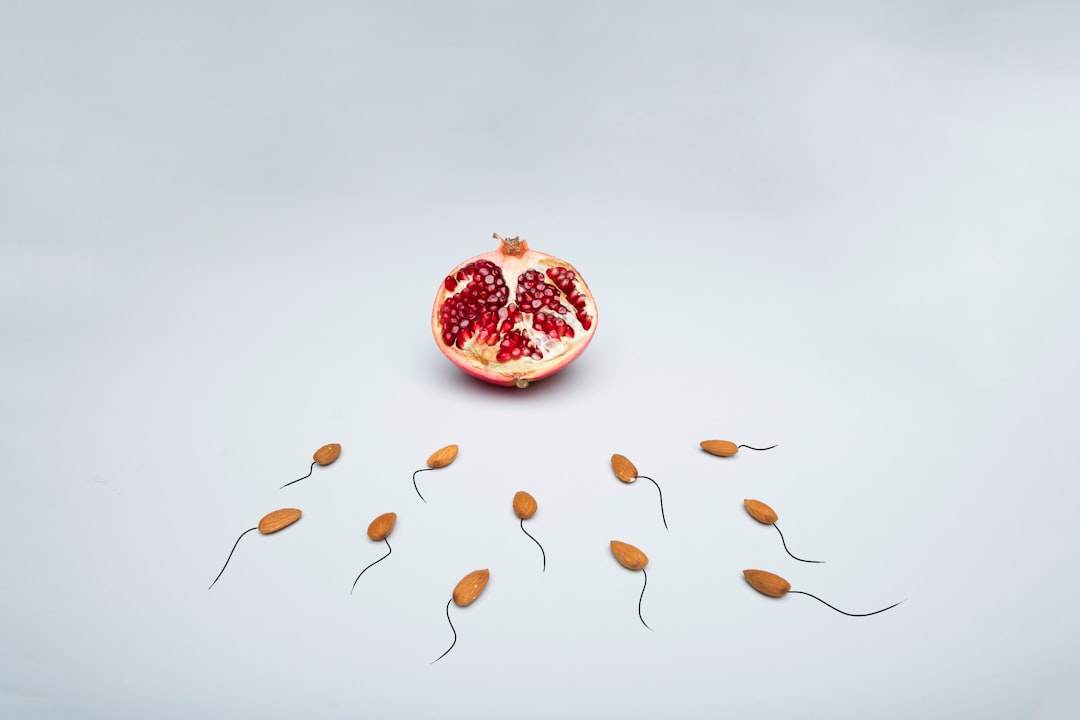
Male Factors and IVF Success Rate: What You Need to Know
Male factors play a significant role in IVF success rates, accounting for approximately 50% of infertility cases. Understanding the causes and effects of male infertility can help improve IVF outcomes. By making lifestyle changes and seeking professional help, men can increase their chances of success.
Male Factors and IVF Success Rate: What You Need to Know
In vitro fertilization (IVF) is a crucial technique in assisted reproductive technology, but its success rate is influenced by multiple factors. While female factors are often emphasized, male factors are equally important. This article will explore how male factors impact IVF success rates and provide relevant recommendations.
The Importance of Male Factors in IVF
Male factors contribute to approximately 50% of infertility cases in couples. Therefore, it is essential to understand how male factors affect IVF success rates.
Causes of Male Infertility
Male infertility can result from various factors, including:
- Low sperm count or poor sperm quality
- Poor sperm motility
- Abnormal sperm morphology
- Erectile dysfunction
- Premature ejaculation or low libido
These issues can impact sperm quality and quantity, ultimately affecting fertilization and embryo development.
How Male Factors Impact IVF Success Rates
Male factors can influence IVF success rates in several ways:
- Sperm Quality: Sperm quality significantly affects embryo quality. Poor sperm quality can lead to abnormal embryo development or miscarriage.
- Sperm Count: Sperm count is also crucial for embryo quality. A low sperm count can result in failed fertilization or poor embryo development.
- Sperm DNA Fragmentation: High sperm DNA fragmentation can lead to abnormal embryo development or miscarriage.
Improving Male Factors
Fortunately, many male factors can be improved through treatment or lifestyle changes. Here are some recommendations:
- Lifestyle Changes: Quitting smoking, reducing alcohol consumption, maintaining a healthy weight, and eating a balanced diet can improve sperm quality and quantity.
- Avoiding High-Temperature Environments: Avoiding prolonged exposure to high temperatures, such as saunas or hot baths, can help protect sperm quality.
- Reducing Stress: Stress can negatively impact sperm quality and quantity. Engaging in exercise, meditation, or counseling can help reduce stress and improve sperm quality.
For couples considering IVF, it is essential to choose a reputable fertility clinic. Institutions like F.I.R.S.T. (Florida Institute for Reproductive Sciences and Technologies) in Weston, US, offer advanced technology and professional medical teams to help achieve fertility goals. Similarly, Chicago IVF in Skokie, US, and Fertility Solutions, PC in Dedham, US, provide high-quality medical services and personalized treatment plans.
Conclusion

Male factors play a significant role in IVF treatment. By understanding the causes and effects of male infertility, individuals can take steps to improve sperm quality and quantity, increasing IVF success rates. Choosing the right fertility clinic and medical team can also help achieve fertility goals.