
IVF Diet Tips: Separating Facts from Myths
A well-balanced diet plays a crucial role in IVF treatment, improving success rates and overall health. Learn what to eat and avoid during IVF, and debunk common myths. Get personalized guidance from fertility experts.
IVF and Diet: An Introduction
In vitro fertilization (IVF) is a common assisted reproductive technology that helps many infertile couples achieve their dream of parenthood. During IVF treatment, diet plays a vital role. A well-balanced diet not only improves IVF success rates but also helps patients maintain their physical health and navigate the treatment process smoothly.
Dietary Recommendations During IVF
1. Foods Rich in Antioxidants
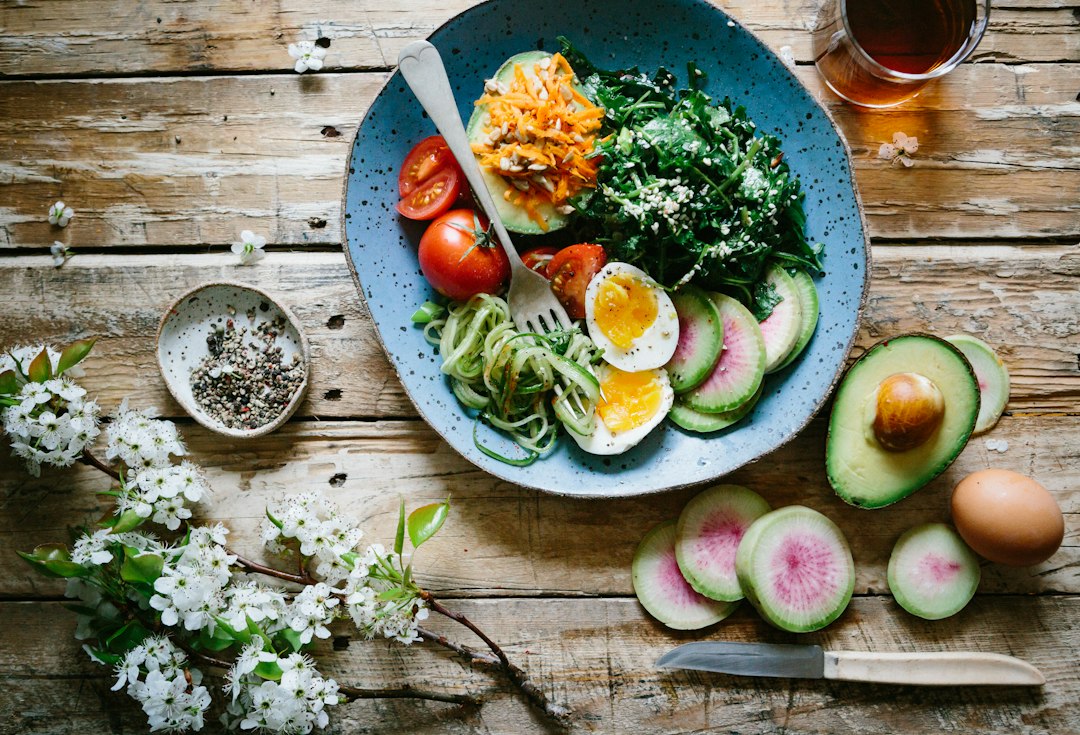
Antioxidants help eliminate free radicals in the body, improving egg and sperm quality. Include antioxidant-rich foods in your diet, such as:
- Fruits: blueberries, strawberries, kiwis
- Vegetables: spinach, carrots, broccoli
- Nuts: almonds, walnuts
2. High-Protein Foods
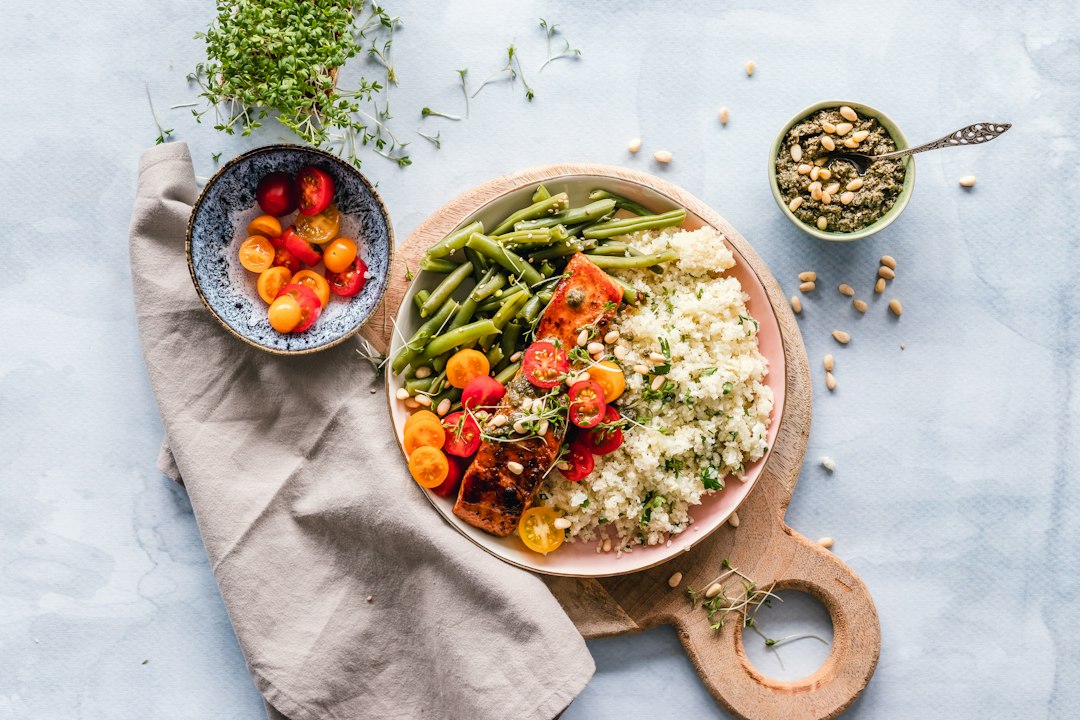
Protein is essential for repairing and building tissues. During IVF, patients can consume more:
- Lean meats: chicken, fish
- Legumes: tofu, soy milk
- Dairy products: milk, yogurt
3. Foods Rich in Healthy Fats
Healthy fats are crucial for hormone production and overall bodily functions. Recommended foods include:
- Avocados
- Olive oil
- Fatty fish: salmon
4. Avoid High-Sugar and High-Salt Foods
High-sugar and high-salt foods can cause blood sugar and blood pressure fluctuations, affecting IVF success rates. Patients are advised to:
- Limit desserts and sugary drinks
- Reduce processed food intake
Debunking Myths and Misconceptions
1. Caffeine's Impact
Myth: No coffee is allowed during IVF. Fact: Moderate coffee consumption (1-2 cups per day) usually doesn't affect IVF success rates. However, excessive consumption may negatively impact egg and sperm quality.
2. Milk and Dairy Products
Myth: Milk and dairy products are prohibited during IVF. Fact: There is no evidence that milk and dairy products negatively impact IVF success rates. Patients can choose suitable dairy products based on their individual needs.
Expert Recommendations
According to NYC In Vitro Fertilization, PC, a reputable fertility clinic in New York with a 5-star Google rating, a balanced diet is essential for maintaining physical health and improving IVF success rates. Their team, led by Dr. Elassar, combines scientific and holistic care to provide personalized guidance. Fertility New York, another top-rated clinic, also emphasizes the importance of a well-balanced diet during IVF treatment.
Conclusion
IVF diet recommendations should be based on scientific evidence, avoiding blindly following myths or hearsay. A balanced diet that includes antioxidant-rich, high-protein, and healthy fat foods, while avoiding high-sugar and high-salt foods, is a reasonable choice during IVF treatment. For specific dietary needs or concerns, consult your reproductive doctor or nutritionist for personalized guidance.
References
- American Society for Reproductive Medicine (ASRM)
- NYC In Vitro Fertilization, PC
- Fertility New York