
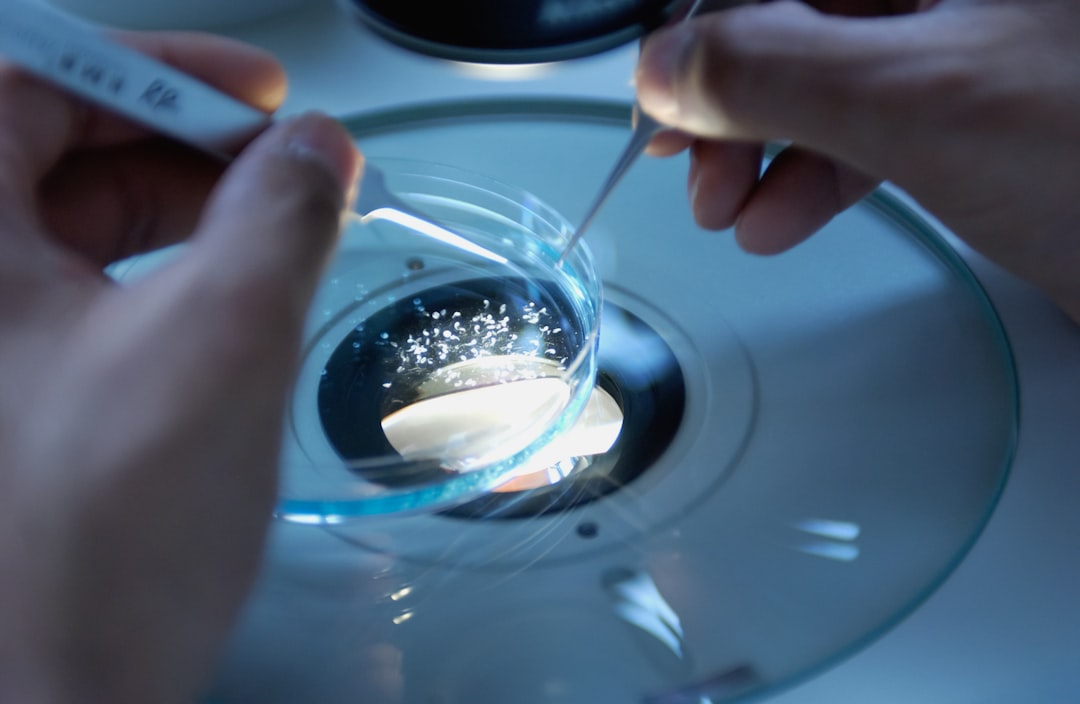
Frozen Embryo Transfer: A Crucial Step in IVF
Frozen embryo transfer is a vital part of the IVF process, allowing couples to achieve their dream of parenthood. By transferring cryopreserved embryos to the uterus, this technique increases the chances of pregnancy. Learn more about the process, benefits, and considerations.
What is Frozen Embryo Transfer?
Frozen embryo transfer (FET) involves transplanting a cryopreserved embryo into a woman's uterus at a specific time to achieve pregnancy. This critical step in IVF treatment is particularly beneficial for patients who require multiple transfers.
Why is Frozen Embryo Transfer Necessary?

During IVF treatment, multiple embryos are often obtained, but not all may result in a successful pregnancy during the initial transfer. To increase the chances of pregnancy, doctors may recommend cryopreserving excess high-quality embryos for future transfers.
The Frozen Embryo Transfer Process
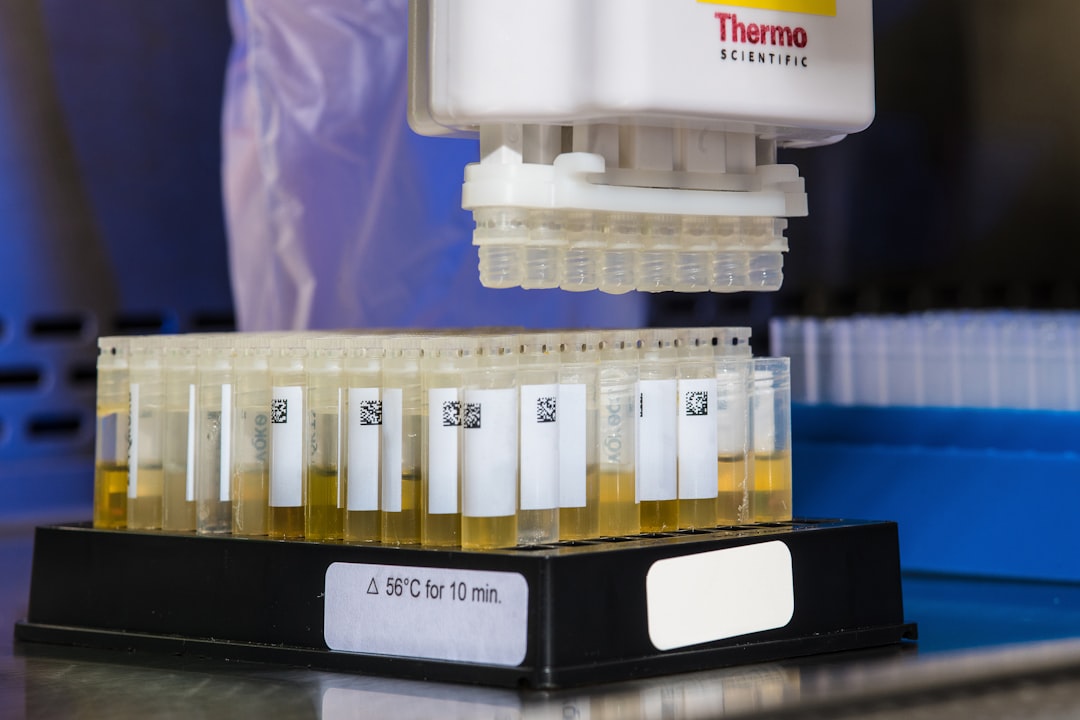
- Embryo Freezing: Embryos obtained during IVF treatment are evaluated, and suitable ones are selected for cryopreservation.
- Thawing: Before transfer, frozen embryos are thawed and assessed for viability.
- Transfer Preparation: Based on individual patient needs, doctors create a transfer plan, which may include hormone replacement therapy.
- Embryo Transfer: Thawed embryos are transferred into the uterus through a catheter.
- Post-Transfer Care: Patients are advised to rest and follow specific care instructions after the transfer.
Advantages of Frozen Embryo Transfer
- Improved Pregnancy Rates: FET increases the chances of pregnancy, especially for patients who have experienced multiple transfer failures.
- Cost-Effective: Compared to undergoing a full IVF cycle, FET can be more budget-friendly.
- Flexible Scheduling: Patients can schedule transfers according to their personal timelines.
Considerations for Frozen Embryo Transfer
- Embryo Quality: The quality of the embryo significantly impacts the success rate of the transfer.
- Endometrial Preparation: Proper preparation of the uterine lining is crucial for embryo implantation.
- Mental Well-being: Maintaining a positive mental state can also influence the success of the transfer.
For those seeking professional fertility services, institutions like F.I.R.S.T., Florida Institute for Reproductive Sciences and Technologies in Weston, US, offer comprehensive IVF and donor egg services. Their team of reproductive endocrinologists is dedicated to providing top-notch care.
Conclusion
Frozen embryo transfer is a vital component of the IVF process. By understanding the process, benefits, and considerations, patients can better prepare for their treatment journey. If you have questions or require personalized guidance, consider consulting a reputable fertility institution.