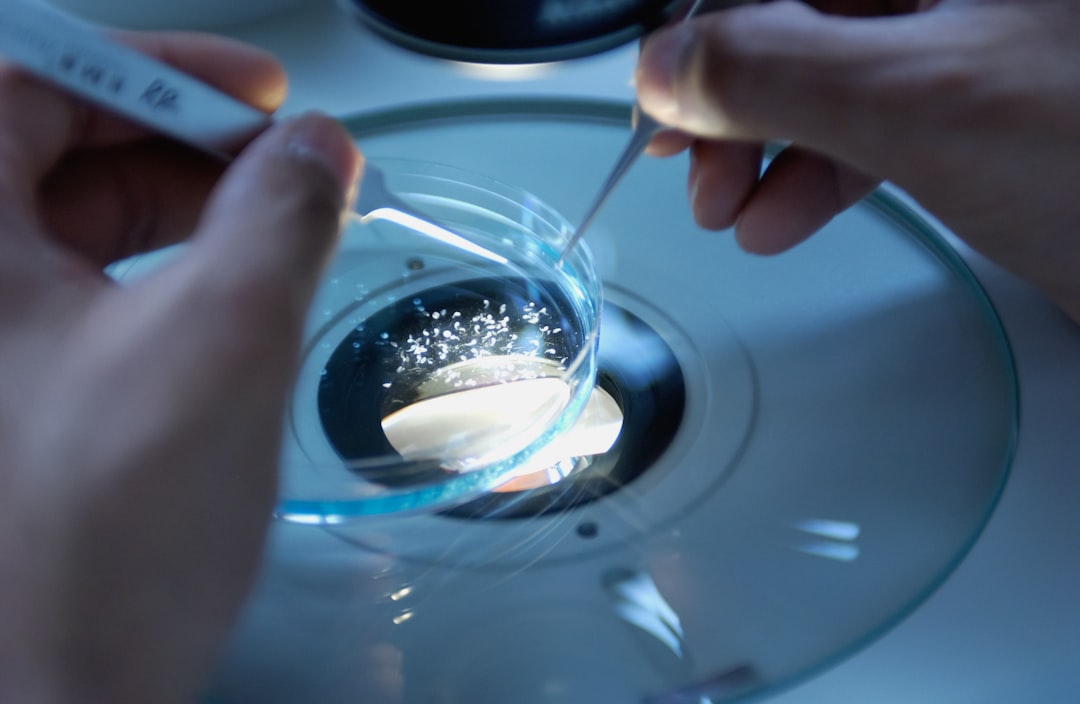
Frozen Embryo Transfer: A Crucial Step in IVF
Frozen embryo transfer is a key step in IVF treatment, allowing couples to achieve their dream of parenthood. This process involves transferring a frozen-preserved embryo to a woman's uterus, increasing the chances of pregnancy. By understanding the process and benefits, patients can better prepare for IVF treatment.
What is Frozen Embryo Transfer?
Frozen embryo transfer is a procedure where a previously frozen-preserved embryo is thawed and transferred to a woman's uterus at a specific time to achieve pregnancy. This process is a critical step in IVF treatment, particularly for patients who require multiple transfers.
Why is Frozen Embryo Transfer Necessary?

During IVF treatment, multiple embryos are often obtained, but not all can be successfully implanted during the first transfer. To increase the chances of pregnancy, doctors may recommend freezing excess high-quality embryos for future transfers.
The Frozen Embryo Transfer Process
- Embryo Freezing: Embryos obtained during an IVF treatment cycle are evaluated and selected for freezing. They are cultured in a specific medium and then preserved using cryoprotectants.
- Embryo Thawing: Before transfer, frozen embryos are thawed and assessed for viability.
- Transfer Preparation: Doctors create a personalized transfer plan, including determining the transfer time and number of embryos.
- Embryo Transfer: Thawed embryos are transferred to the uterus through a catheter under medical guidance.
Advantages of Frozen Embryo Transfer

- Improved Pregnancy Rates: Frozen embryo transfer increases the chances of pregnancy, especially for patients who have experienced multiple transfer failures.
- Reduced Ovulation Induction Medication: By freezing embryos, patients can avoid using ovulation induction medications during the transfer cycle, reducing the physical burden on women.
- Flexible Transfer Timing: Frozen embryo transfer allows patients to schedule transfers at any time, eliminating the need to wait for a specific ovulation cycle.
Considerations for Frozen Embryo Transfer
- Embryo Quality: Embryo quality significantly impacts transfer success rates.
- Endometrial Preparation: Proper preparation of the uterine lining is crucial for successful transfer and may require adjustments based on individual patient needs.
- Psychological Preparation: The transfer process can cause emotional stress; maintaining a positive attitude is recommended.
For those seeking professional fertility services, institutions like F.I.R.S.T. (Florida Institute for Reproductive Sciences and Technologies) in Weston, Florida, offer comprehensive IVF and donor egg services with a 5-star rating on Google. Similarly, Chicago IVF in Skokie, Illinois, is known for its affordable pricing and high-quality care, also with a 5-star rating. Additionally, Fertility Solutions, PC in Dedham, Massachusetts, provides a wide range of infertility treatment services with a 5-star rating.
Understanding the process and benefits of frozen embryo transfer can help patients better prepare for IVF treatment. By choosing the right institution and doctor and following a personalized treatment plan, individuals can increase their chances of achieving their dream of parenthood.