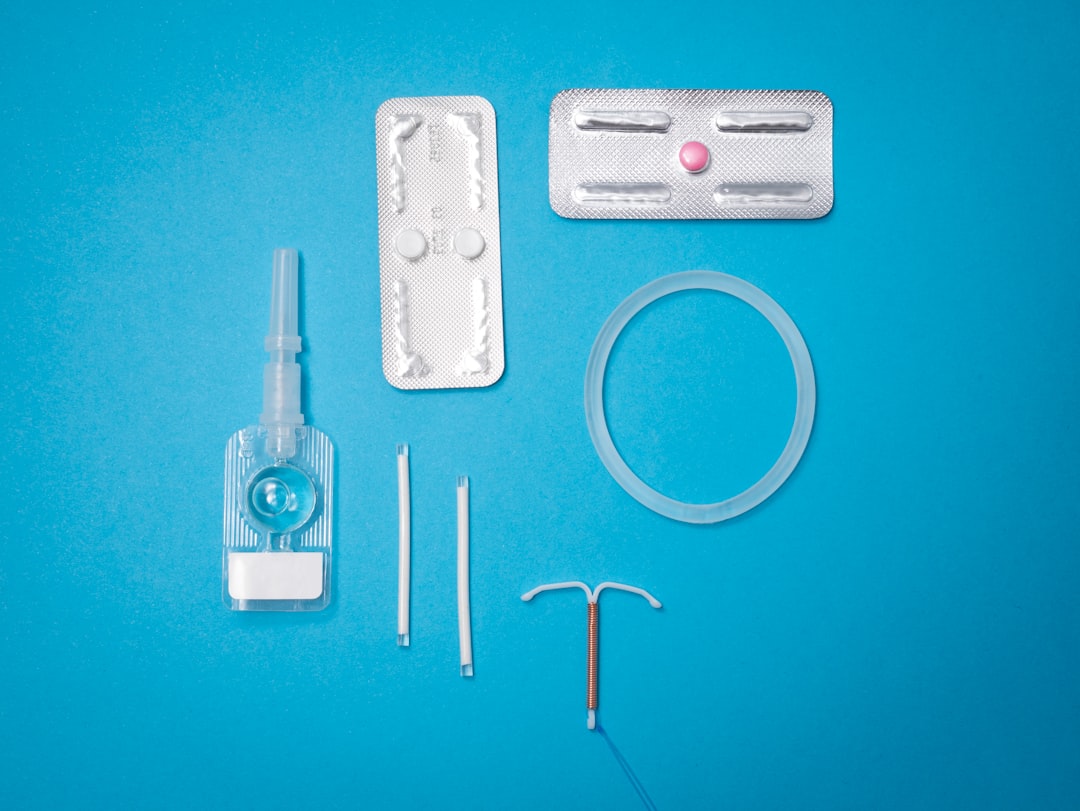
A Comprehensive Guide to IVF: Your Journey to Parenthood
IVF is a type of assisted reproductive technology that helps infertile couples achieve their dream of parenthood. Understanding the IVF process is crucial to a successful pregnancy. This article provides a detailed guide to the IVF process.
Introduction to IVF
IVF, or In Vitro Fertilization, is a type of assisted reproductive technology that helps infertile couples achieve their dream of parenthood. This process involves combining an egg and sperm in a laboratory to form an embryo, which is then transferred to a woman's uterus. IVF has become a popular option for couples struggling with infertility.
Overview of the IVF Process
The IVF process involves several steps:
- Initial Consultation and Evaluation: Both partners undergo comprehensive tests, including reproductive system exams, hormone level checks, and semen analysis, to determine if IVF is suitable for them.
- Ovulation Induction: Women receive medication to stimulate their ovaries to produce multiple eggs.
- Egg Retrieval: Doctors collect eggs from the ovaries through a minor surgical procedure.
- Sperm Collection: Men provide a semen sample.
- Fertilization: Eggs and sperm are combined in a laboratory to form an embryo.
- Embryo Culture: Embryos are cultured in a laboratory for 3-5 days.
- Embryo Transfer: The embryo is transferred to the woman's uterus.
- Pregnancy Confirmation: Two weeks after transfer, a pregnancy test is conducted.
Detailed IVF Process
Initial Consultation and Evaluation
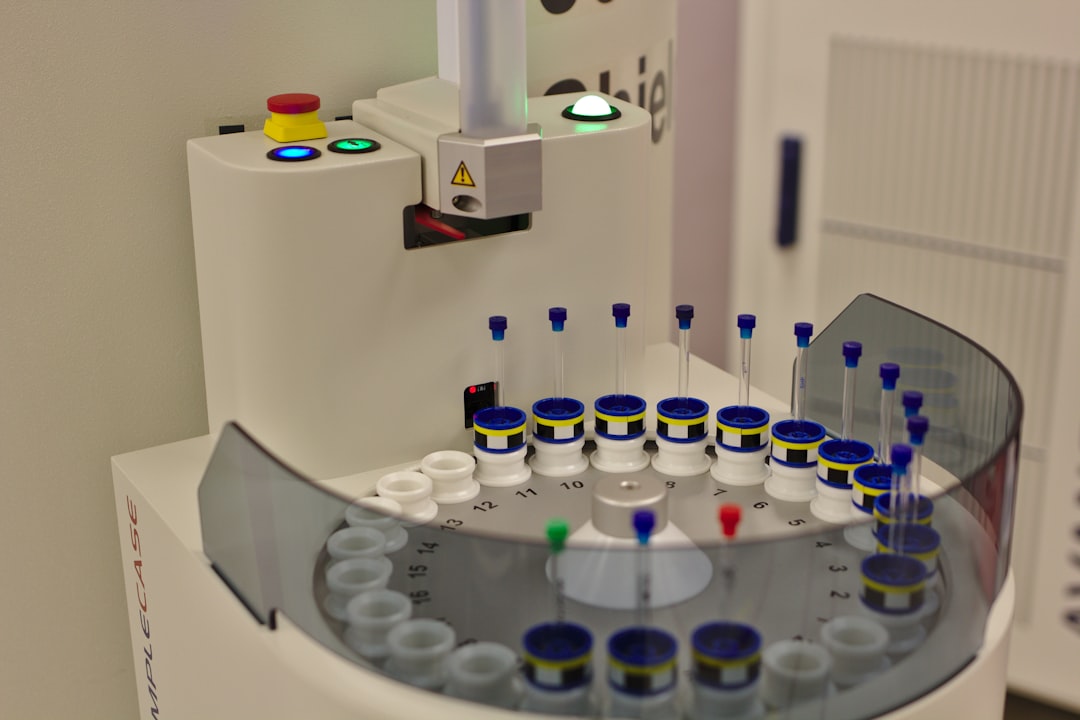
Before starting IVF, both partners must undergo comprehensive tests to determine if IVF is suitable for them. These tests help doctors understand the couple's fertility and estimate the chances of success with IVF. For instance, a couple may consult with a reproductive endocrinologist at F.I.R.S.T., Florida Institute for Reproductive Sciences and Technologies, a renowned fertility clinic with a 5-star rating.
Ovulation Induction
Women receive medication to stimulate their ovaries to produce multiple eggs. This increases the chances of obtaining viable eggs for fertilization.
Egg Retrieval
Doctors collect eggs from the ovaries through a minor surgical procedure, usually under local anesthesia. The procedure takes approximately 15-30 minutes.
Sperm Collection
Men provide a semen sample, which is then analyzed to determine sperm count, motility, and morphology.
Fertilization
Eggs and sperm are combined in a laboratory to form an embryo. This process typically occurs in a culture dish at 37°C.
Embryo Culture
Embryos are cultured in a laboratory for 3-5 days, during which they undergo multiple cell divisions to form a blastocyst.
Embryo Transfer
The embryo is transferred to the woman's uterus, a procedure that usually takes 5-10 minutes and does not require anesthesia.
Pregnancy Confirmation
Two weeks after transfer, a pregnancy test is conducted. If the test is positive, the woman will undergo subsequent prenatal care.
IVF Success Rates
IVF success rates depend on various factors, including the woman's age, egg quality, and sperm quality. According to the Centers for Disease Control and Prevention (CDC), IVF success rates are:
*47.7% for women under 35
- 37.4% for women aged 35-37
- 23.4% for women aged 38-40
- 13.3% for women aged 41-42
- 5.1% for women over 43
Choosing the Right IVF Clinic
Selecting a reputable IVF clinic is crucial. Clinics like Chicago IVF, with a 5-star rating, offer affordable pricing and high-quality care. Fertility Solutions, PC, another 5-star rated clinic, provides comprehensive fertility services, including IVF and donor egg services.
By understanding the IVF process and choosing a reputable clinic, couples can increase their chances of achieving a successful pregnancy. Whether you're considering F.I.R.S.T., Chicago IVF, or Fertility Solutions, PC, it's essential to research and find a clinic that meets your needs and provides the best possible care.