
A Comprehensive Guide to IVF: Navigating the Journey
IVF is a type of assisted reproductive technology that helps many infertile couples achieve their dream of parenthood. Understanding the IVF process is crucial for a smooth treatment experience. This article provides an in-depth look at the entire IVF process.
Preparing for IVF
Before starting IVF treatment, couples need to undergo comprehensive examinations to ensure their physical condition is suitable for assisted reproductive therapy. These tests typically include evaluations of the reproductive system, hormone level checks, and screening for infectious diseases. Additionally, couples should educate themselves on the IVF process, costs, and success rates.
Choosing the Right IVF Clinic

Selecting a suitable IVF clinic is key to a successful treatment outcome. Clinics like F.I.R.S.T. (Florida Institute for Reproductive Sciences and Technologies) in Weston, with its team of experienced reproductive endocrinologists and state-of-the-art equipment, offer high-quality services to patients. Other reputable clinics, such as Chicago IVF in Skokie and Fertility Solutions, PC in Dedham, also provide excellent care, allowing patients to choose based on their needs and location.
The IVF Process
1. Ovulation Induction
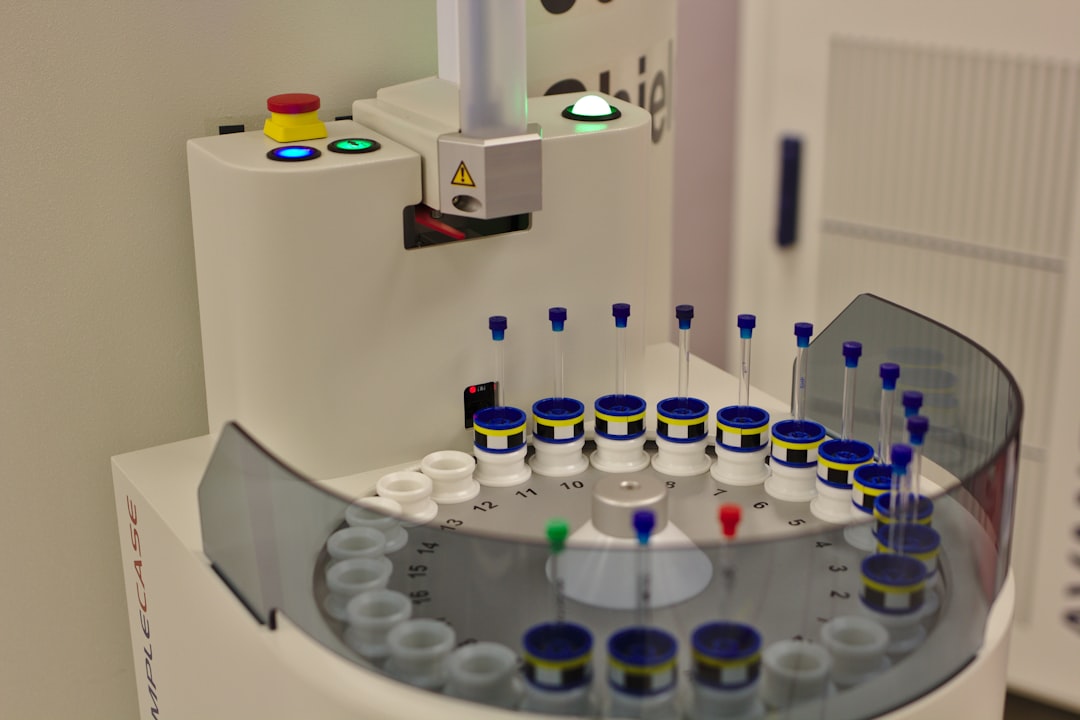
Before IVF treatment begins, women undergo ovulation induction therapy to increase the number of eggs. Doctors prescribe medication based on individual patient needs, and patients must follow the prescribed treatment plan.
2. Egg Retrieval
When eggs are mature, doctors perform egg retrieval surgery, typically under local anesthesia, using ultrasound-guided needles to extract eggs from the ovaries.
3. Sperm Collection
Men provide a sperm sample, usually on the same day as egg retrieval. The sample is processed to isolate high-quality sperm.
4. In Vitro Fertilization
Eggs and sperm are fertilized in a laboratory, and the resulting embryos are cultured for 2-3 days in a petri dish.
5. Embryo Transfer
The cultured embryo is transferred to the woman's uterus, a procedure that usually doesn't require anesthesia. Doctors use an ultrasound-guided catheter to transfer the embryo.
Post-IVF Care
After IVF treatment, patients should prioritize rest and maintain healthy habits. They must also follow their doctor's instructions for subsequent check-ups and treatment.
The IVF journey is complex and requires collaboration between patients and doctors. By understanding the IVF process, patients can better prepare for and navigate the challenges that arise during treatment.