A Comprehensive Guide to IVF: Navigating the Journey
IVF is a type of assisted reproductive technology that helps many infertile couples achieve their dream of parenthood. Understanding the IVF process is crucial for a smooth treatment experience. This article provides an in-depth look at the entire IVF process.
Preparing for IVF
Before starting IVF treatment, it's essential to make thorough preparations. Both partners should undergo comprehensive physical examinations to ensure their bodies are suitable for IVF treatment. Women need to have hormone level checks and ovarian function assessments to determine if they're good candidates for IVF.
Additionally, it's crucial to understand the costs and relevant policies associated with IVF. IVF can be expensive, so it's vital to prepare financially. Familiarize yourself with local policies and regulations to ensure you meet the eligibility criteria for IVF.
Choosing an IVF Clinic
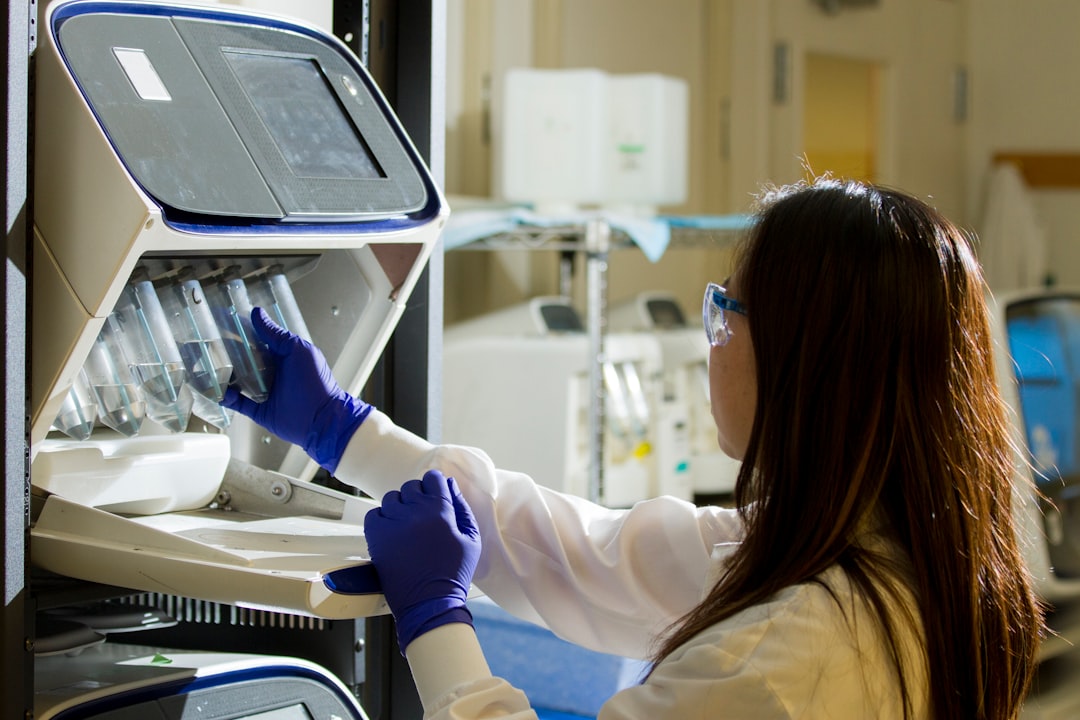
Selecting a reputable IVF clinic is vital for the success of your treatment. Consider factors such as the clinic's reputation, doctor's experience, and technical capabilities. For instance, F.I.R.S.T. (Florida Institute for Reproductive Sciences and Technologies) is a highly-regarded IVF clinic with experienced reproductive endocrinologists.
The IVF Process
The IVF process involves several steps:
1. Ovulation Induction
Before starting IVF treatment, women undergo ovulation induction therapy. This helps stimulate the ovaries to release multiple eggs, increasing the chances of fertilization.
2. Egg Retrieval
After ovulation induction, women undergo egg retrieval surgery. This is a minimally invasive procedure where eggs are retrieved from the ovaries using vaginal ultrasound guidance.
3. Sperm Collection
Men need to provide a sperm sample, which is then processed to isolate high-quality sperm.
4. In Vitro Fertilization
Eggs and sperm are fertilized in a laboratory. In vitro fertilization involves combining eggs and sperm in a laboratory setting to create embryos.
5. Embryo Culture
Embryos are cultured in the laboratory for 3-5 days. This allows for the monitoring of embryo development and health.
6. Embryo Transfer
Embryo transfer is the final step in IVF treatment. Embryos are transferred to the woman's uterus using vaginal ultrasound guidance.
Post-IVF Care
After IVF treatment, it's essential to take care of your physical and emotional well-being. Avoid strenuous activities and heavy lifting, and maintain a balanced diet to ensure proper nutrition.
It's also crucial to manage your emotional state, as IVF treatment can be stressful. Stay positive, and focus on maintaining a healthy mindset.
IVF Success Rates
IVF success rates vary depending on factors such as age, ovarian function, and sperm quality. Generally, IVF success rates range from 40-60%.
If you're searching for a reliable IVF clinic, consider Chicago IVF (Skokie, US) or Fertility Solutions, PC (Dedham, US), both of which have excellent reputations and experienced doctors.
In conclusion, IVF is a type of assisted reproductive technology that can help many infertile couples achieve their dream of parenthood. Understanding the IVF process and necessary precautions can help ensure a smooth treatment experience and increase the chances of success.