
A Comprehensive Guide to IVF: From Preparation to Treatment
IVF is a type of assisted reproductive technology that helps infertile couples achieve their dream of having a child. This article provides an in-depth look at the IVF process, including preparation, treatment steps, and important considerations. By understanding what to expect, couples can better navigate the journey to parenthood.
Introduction to IVF
IVF, or In Vitro Fertilization, is a type of assisted reproductive technology that helps infertile couples achieve their dream of having a child. This process involves combining an egg and sperm in a laboratory to form an embryo, which is then transferred to a woman's uterus.
Preparation is Key
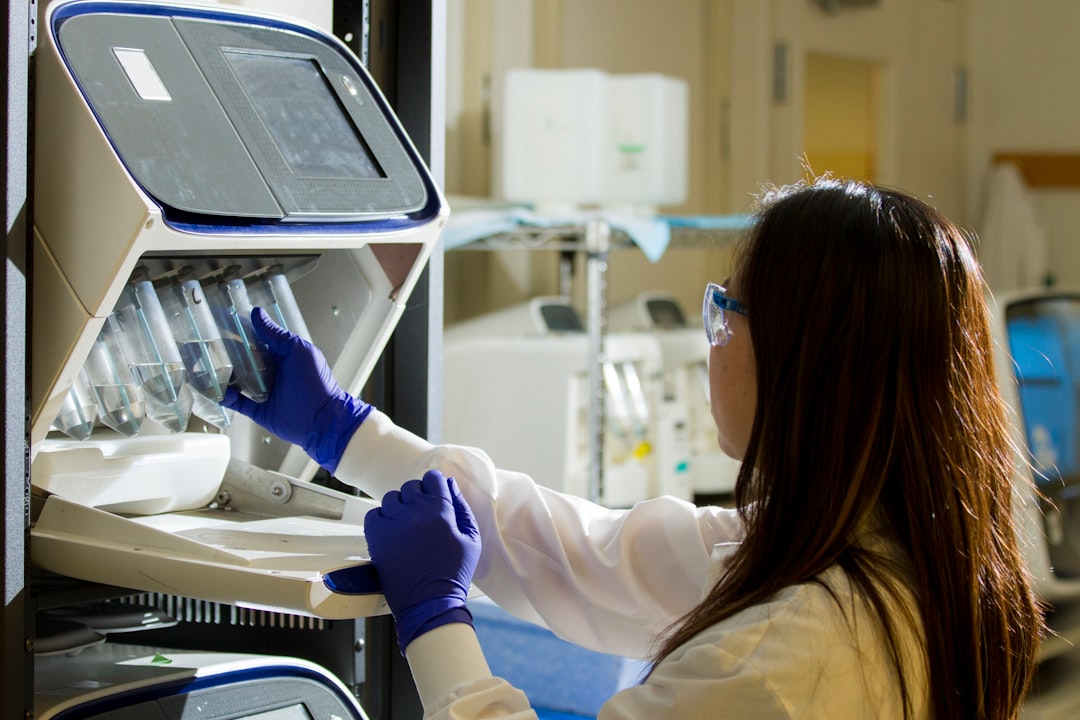
Before starting IVF treatment, couples must undergo a series of tests and preparations. These tests include:
- For women: hormone level checks, ovarian function tests, and uterine lining checks.
- For men: semen analysis and hormone level checks.
Additionally, couples must prepare themselves psychologically, as IVF treatment can be a challenging and emotional journey.
IVF Treatment Steps
The IVF treatment process involves several stages:
1. Ovulation Induction

Before starting IVF treatment, women undergo ovulation induction therapy to stimulate the ovaries to release multiple eggs. This therapy typically involves medication, such as gonadotropins.
2. Egg Retrieval
Once the eggs are mature, a doctor uses special equipment to retrieve them. Egg retrieval is usually performed under local anesthesia.
3. Sperm Collection
Men must provide a sperm sample, which is then analyzed to determine sperm quality and quantity.
4. Fertilization
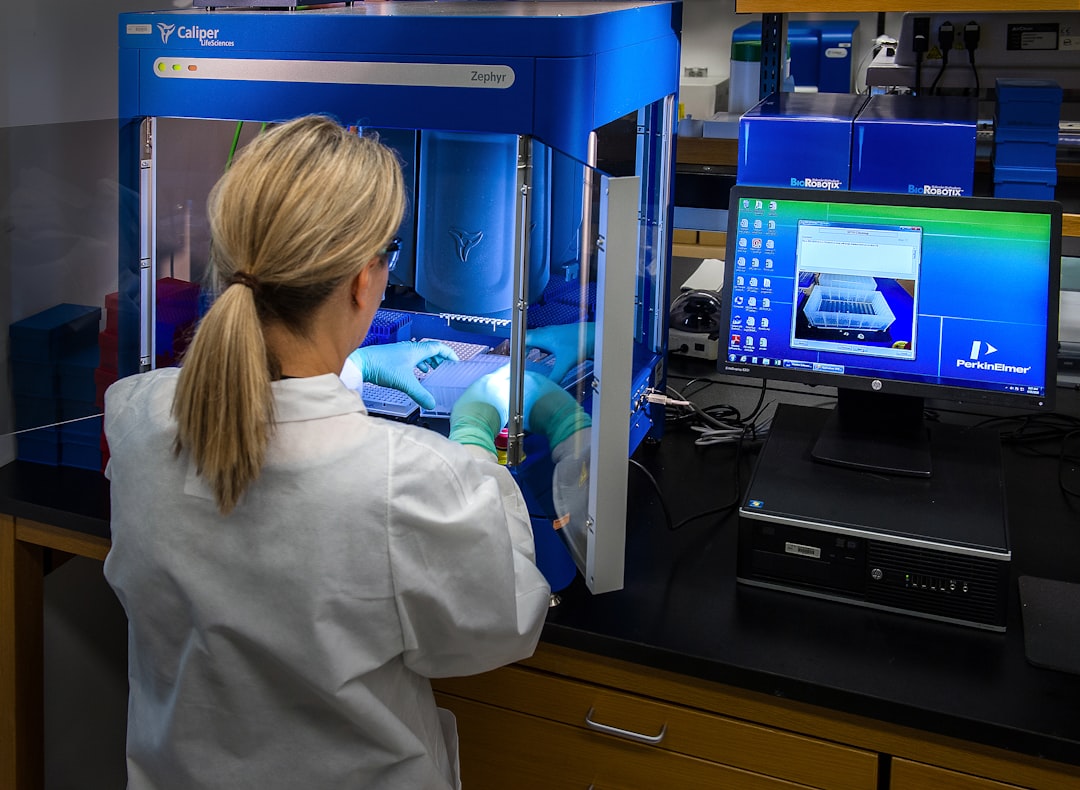
The egg and sperm are combined in a laboratory to form an embryo. This process typically takes place in a culture dish.
5. Embryo Culture
The embryo is cultured in a laboratory for 3-5 days to monitor its development.
6. Embryo Transfer
Embryo transfer is the final step in IVF treatment, where the embryo is transferred to a woman's uterus.
Important Considerations
IVF treatment requires attention to several factors:
- Success rates for IVF treatment are higher for women under 35 years old.
- IVF treatment can be associated with complications, such as multiple pregnancies and ovarian hyperstimulation syndrome.
- IVF treatment can be expensive, and couples must be prepared for the financial investment.
Choosing the Right IVF Institution
Selecting a reputable IVF institution is crucial for treatment success. Institutions like F.I.R.S.T. (Florida Institute for Reproductive Sciences and Technologies) in Weston, US, have a proven track record of providing high-quality IVF services, with a 5-star rating on Google. Similarly, Chicago IVF in Skokie, US, and Fertility Solutions, PC in Dedham, US, also offer excellent care and support, with perfect Google ratings.
Conclusion
IVF is a type of assisted reproductive technology that helps infertile couples achieve their dream of having a child. By understanding the preparation, treatment steps, and important considerations, couples can better navigate the IVF journey. By choosing a reputable IVF institution, such as F.I.R.S.T., Chicago IVF, or Fertility Solutions, PC, couples can increase their chances of success.