
A Comprehensive Guide to IVF: Assisted Reproductive Technology
IVF, or in vitro fertilization, is a type of assisted reproductive technology that helps many infertile couples achieve their dream of having a child. This article provides an overview of the IVF process, including preparation, treatment steps, and precautions. By understanding the IVF process, you can better prepare for and navigate the challenges of treatment.
Introduction to IVF
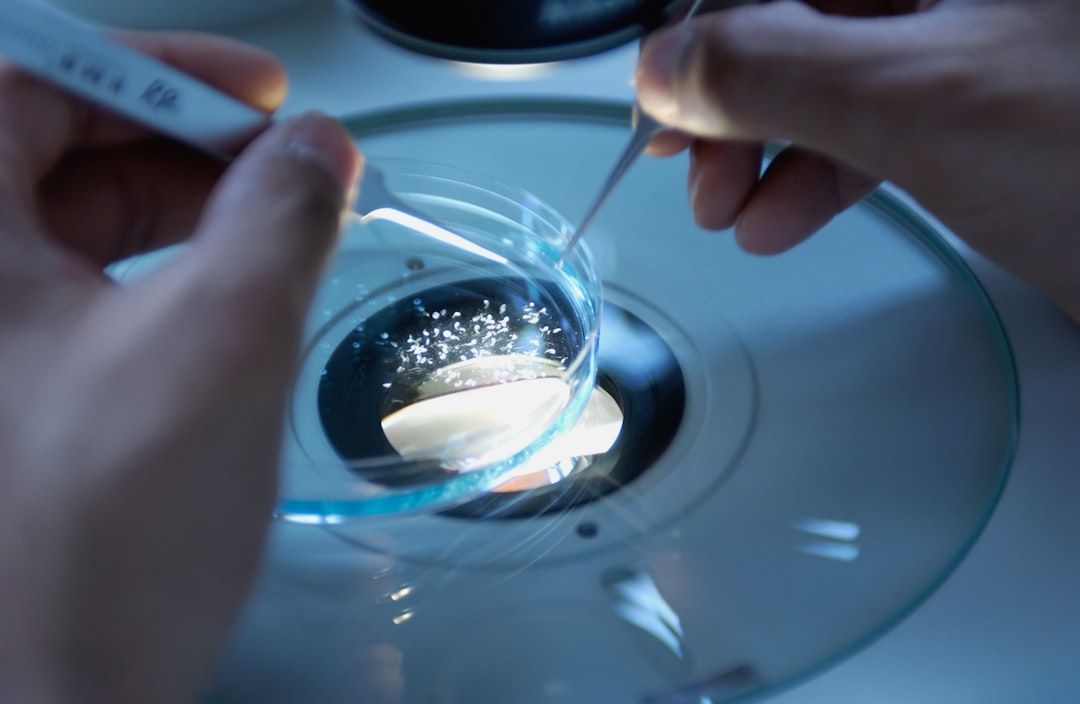
IVF, or in vitro fertilization, is a type of assisted reproductive technology that involves combining an egg and sperm in a laboratory to form an embryo, which is then transferred to a woman's uterus to help infertile couples achieve pregnancy.
Preparation

Before starting IVF treatment, it's essential to make some preparations:
- Medical Check-ups: Undergo a comprehensive medical check-up to ensure your body is suitable for IVF treatment.
- Emotional Preparation: IVF treatment can be emotionally challenging, so it's crucial to prepare yourself mentally.
- Financial Planning: IVF treatment can be expensive, so make sure you have sufficient financial support.
The IVF Process
Here's an overview of the IVF process:
1. Ovulation Induction

Before starting IVF treatment, you'll need to undergo ovulation induction to increase the number of eggs. Your doctor will prescribe medication based on your specific situation.
2. Egg Retrieval
When the eggs are mature, your doctor will perform an egg retrieval procedure, usually under anesthesia, which takes around 15-20 minutes.
3. Sperm Collection
On the same day as egg retrieval, your partner will need to provide a sperm sample.
4. In Vitro Fertilization
The eggs and sperm will be combined in a laboratory to form an embryo.
5. Embryo Culture
The embryo will be cultured in a laboratory for 3-5 days to monitor its development.
6. Embryo Transfer
Your doctor will transfer the embryo to your uterus, a procedure that usually doesn't require anesthesia and takes around 5-10 minutes.
7. Post-Transfer Care
After the transfer, you'll need to take care of yourself, including resting, adjusting your diet, and undergoing medication.
Precautions
During IVF treatment, keep in mind:
- Maintain a Healthy Lifestyle: A balanced diet, sufficient sleep, and a positive attitude can help improve the success rate of IVF.
- Follow Your Doctor's Advice: Adhere to your doctor's recommendations and treatment plan to ensure a smooth process.
- Stay Positive: IVF treatment can be challenging, so it's essential to stay optimistic and face challenges head-on.
For those seeking professional IVF services, consider institutions like F.I.R.S.T. (Florida Institute for Reproductive Sciences and Technologies) in Weston, Florida, with a 5-star Google rating and experienced reproductive endocrinologists offering IVF and donor egg services. Their team of experts can guide you through the IVF process with care and precision.
Additionally, Chicago IVF in Skokie, Illinois, is another reputable option, also with a 5-star Google rating, providing high-quality fertility care at an affordable price. They offer a range of services, including IVF, to help you achieve your reproductive goals.
It's also worth exploring Fertility Solutions, PC, in Dedham, Massachusetts, with a 5-star Google rating, which provides personalized infertility treatment plans tailored to your needs.
By understanding the IVF process and taking necessary precautions, you can better prepare for and navigate the challenges of treatment. Good luck on your journey to parenthood!