
A Comprehensive Guide to IVF: Achieving Your Parenthood Dreams
IVF is a type of assisted reproductive technology that helps many infertile couples realize their parenthood dreams. Understanding the IVF process is a crucial step towards a successful pregnancy. This article provides an in-depth look at the IVF process.
Introduction to IVF
IVF, or In Vitro Fertilization, is a type of assisted reproductive technology that helps infertile couples achieve their parenthood dreams. This process involves combining an egg and sperm in a laboratory to form an embryo, which is then transferred to a woman's uterus.
Overview of the IVF Process

The IVF process typically includes the following steps:
- Initial Consultation and Evaluation: A doctor will conduct a comprehensive examination and evaluation to determine if IVF is suitable for you.
- Ovulation Induction: Medications are used to stimulate the ovaries to release multiple eggs.
- Egg Retrieval: A surgical procedure is performed to retrieve eggs from the ovaries.
- Sperm Collection: A semen sample is provided by the male partner.
- Fertilization: The egg and sperm are combined in a laboratory to form an embryo.
- Embryo Culture: The embryo is cultured in a laboratory for 3-5 days to assess its quality.
- Embryo Transfer: The embryo is transferred to the woman's uterus.
- Pregnancy Confirmation: A pregnancy test is performed to confirm if the treatment was successful.
Initial Consultation and Evaluation
During the initial consultation and evaluation, a doctor will conduct a comprehensive examination and evaluation to determine if IVF is suitable for you. This includes:
- Female: reproductive system examination, hormone level checks, ovarian function tests, etc.
- Male: semen analysis, hormone level checks, etc.
Ovulation Induction
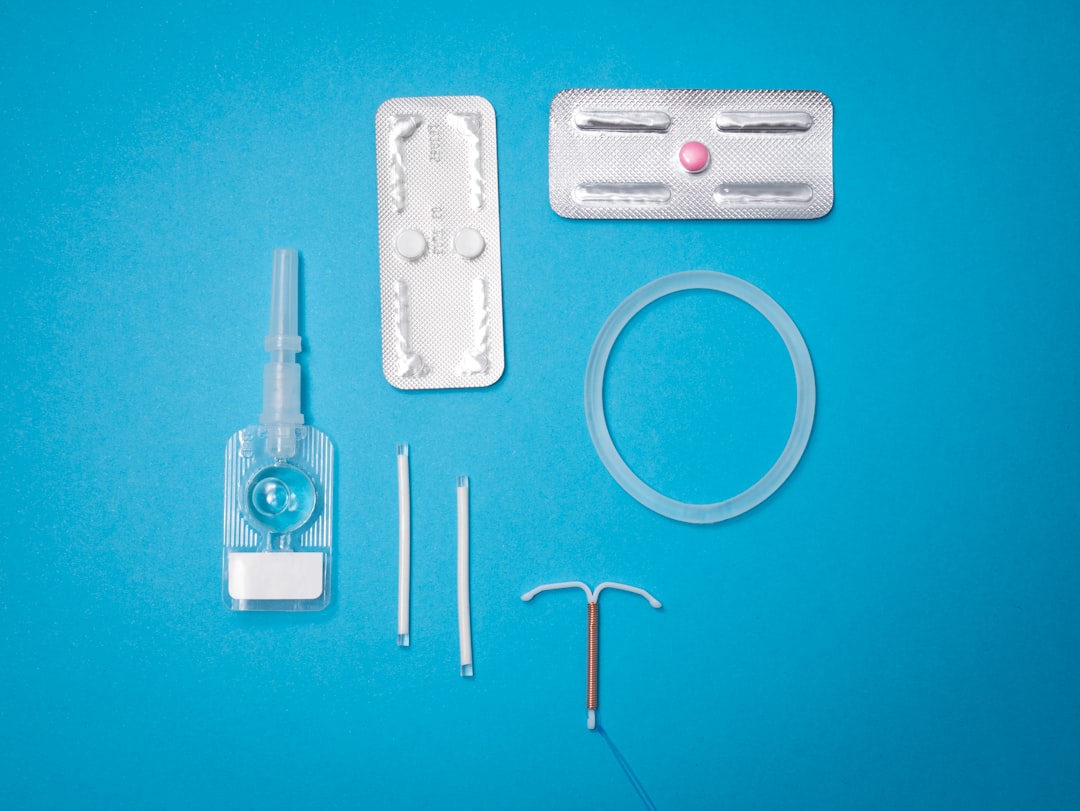
Ovulation induction is a critical step in the IVF process. Medications such as gonadotropin-releasing hormone (GnRH) agonists or antagonists are used to stimulate the ovaries to release multiple eggs.
Egg Retrieval and Sperm Collection
Egg retrieval is a surgical procedure performed under ultrasound guidance to retrieve eggs from the ovaries. The male partner provides a semen sample.
Fertilization and Embryo Culture
The egg and sperm are combined in a laboratory to form an embryo. The embryo is cultured in a laboratory for 3-5 days to assess its quality.
Embryo Transfer
The embryo is transferred to the woman's uterus, typically 2-3 days after egg retrieval.
Pregnancy Confirmation
A pregnancy test is performed 2 weeks after embryo transfer to confirm if the treatment was successful. If pregnant, regular prenatal check-ups are necessary to ensure a healthy pregnancy.
Choosing the Right Clinic
Selecting a reputable clinic is crucial for a successful IVF experience. Institutions like F.I.R.S.T. (Florida Institute for Reproductive Sciences and Technologies) in Weston, Florida, with a 5-star Google rating, offer advanced reproductive services, including IVF and donor egg services. Chicago IVF in Skokie, Illinois, also with a 5-star Google rating, provides affordable fertility care. Additionally, Fertility Solutions, PC in Dedham, Massachusetts, with a5-star Google rating, offers personalized reproductive services.
IVF is a complex medical process that requires close collaboration between you and your doctor. Understanding the IVF process is a crucial step towards a successful pregnancy. We hope this article helps you prepare and achieve your parenthood dreams.