
A Comprehensive Guide to IVF: Achieving Your Dream of Parenthood
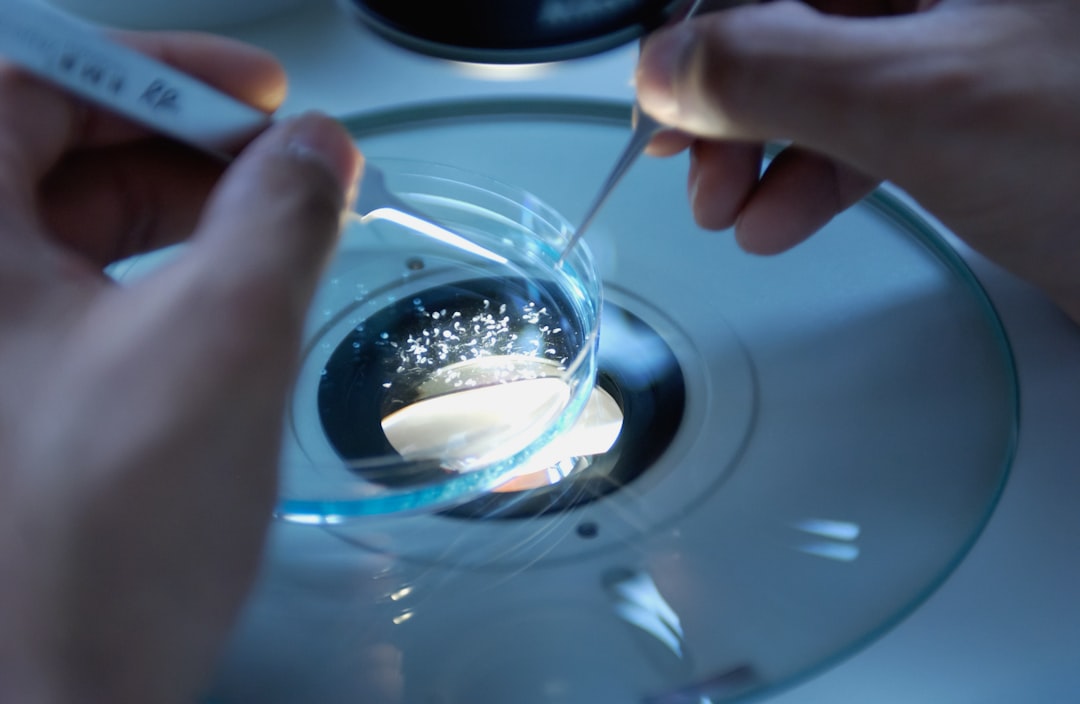
IVF, or in vitro fertilization, is a type of assisted reproductive technology that helps many infertile couples realize their dream of parenthood. This article provides a detailed overview of the IVF process, including preparation, treatment steps, and precautions. By understanding the IVF process, patients can better prepare and respond to various situations during treatment.
Introduction to IVF
IVF, or in vitro fertilization-embryo transfer (IVF-ET), is a type of assisted reproductive technology that helps infertile couples achieve parenthood. This technique involves combining eggs and sperm in a laboratory to form embryos, which are then transferred to a woman's uterus.
Preparation

Before starting IVF treatment, patients need to undergo a series of examinations and preparations. These include:
- Female: hormone level tests, ovarian function evaluations, and fallopian tube patency tests.
- Male: semen analysis, hormone level tests, and other evaluations.
The IVF Process
1. Ovulation Induction
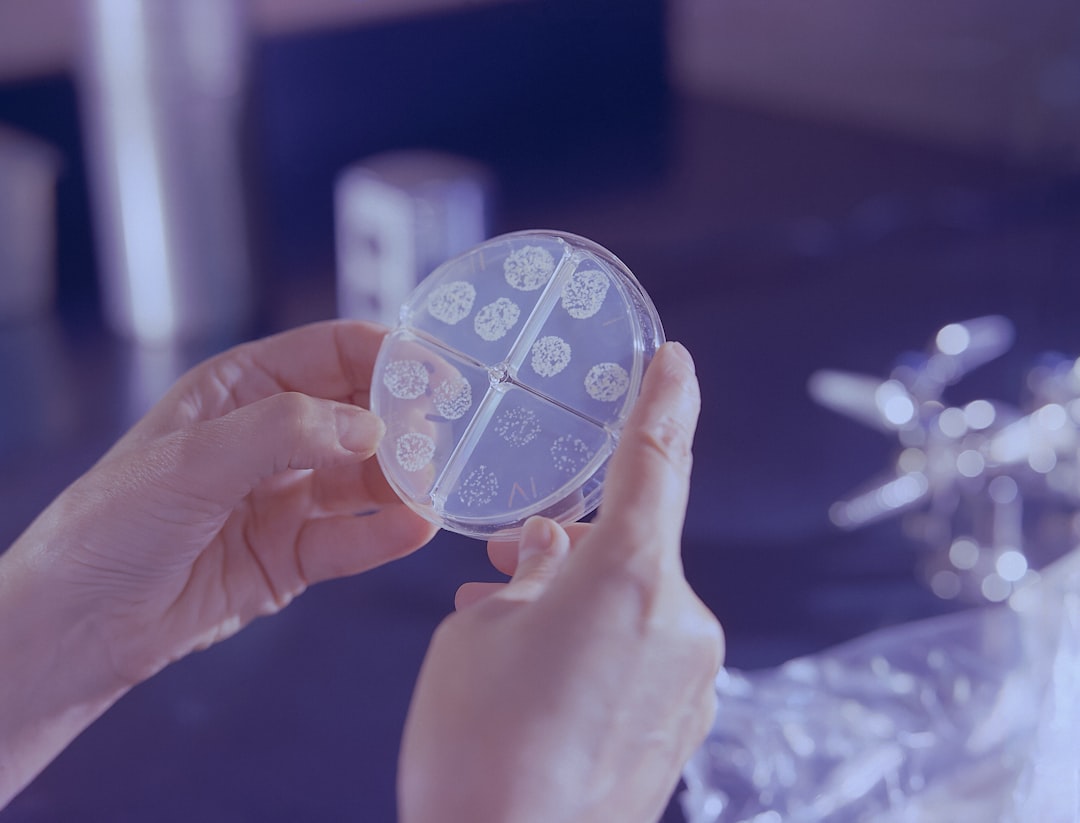
After starting IVF treatment, women need to undergo ovulation induction therapy to stimulate the ovaries to produce multiple eggs. This is usually achieved through injections of ovulation-inducing medications.
2. Egg Retrieval
When the eggs are mature, an egg retrieval surgery is performed. This is a minimally invasive procedure that uses vaginal ultrasound guidance to aspirate the eggs.
3. Sperm Collection
Men need to provide a sperm sample. If the sperm quality is poor, sperm donation or other assisted techniques may be required.
4. In Vitro Fertilization
The collected eggs and sperm are combined in a laboratory for in vitro fertilization. Usually, within 24-48 hours, the development of the fertilized eggs is observed.
5. Embryo Culture
The fertilized eggs are cultured in a laboratory for 3-5 days to form embryos. During this period, doctors evaluate the embryos and select the best ones for transfer.
6. Embryo Transfer
The selected embryos are transferred to the woman's uterus. This process is usually painless and does not require anesthesia.
7. Post-Transfer Care
After transfer, patients need to undergo luteal support therapy to help the embryos implant. Doctors will also schedule follow-up examinations to confirm pregnancy.
Precautions
- During IVF treatment, women should maintain good habits, avoid strenuous exercise and heavy lifting.
- Follow the doctor's advice, take medication on time, and attend scheduled check-ups.
- Maintain a positive mental state and face treatment proactively.
Choosing the Right Medical Institution
Selecting a professional assisted reproductive medical institution is crucial to the success rate of IVF. For example, F.I.R.S.T. (Florida Institute for Reproductive Sciences and Technologies) in Weston, Florida, offers IVF and donor egg services provided by experienced reproductive endocrinologists, with a 5-star rating on Google. Chicago IVF in Skokie, Illinois, is also a reputable option, providing high-quality medical services at affordable prices, with a 5-star rating on Google. Additionally, Fertility Solutions, PC in Dedham, Massachusetts, offers top-notch assisted reproductive services, with a 5-star rating on Google.
Conclusion
IVF is a complex technology that requires patients to work closely with their doctors. By understanding the IVF process, patients can better prepare and respond to various situations during treatment. Choosing the right medical institution and maintaining a positive attitude are essential for improving the success rate of IVF.