
A Comprehensive Guide to IVF: Achieving Your Dream of Parenthood
IVF, or In Vitro Fertilization, is a type of assisted reproductive technology that helps many infertile couples realize their dream of parenthood. Understanding the IVF process is a crucial step towards a successful pregnancy. This article provides a detailed overview of the IVF process.
What is IVF?
IVF, or In Vitro Fertilization, is a type of assisted reproductive technology that involves combining an egg and sperm in a laboratory to form an embryo, which is then transferred to a woman's uterus to help couples achieve parenthood.
Indications for IVF
IVF is suitable for couples who experience infertility due to various reasons, including but not limited to:
- Female tubal blockage or damage
- Male poor sperm quality or low sperm count
- Ovulation disorders
- Endometriosis
- Unexplained infertility
The IVF Process
Step 1: Initial Consultation and Examination
Before starting the IVF process, you will need to have an initial consultation and examination with a reproductive specialist. This includes:
- A reproductive specialist's inquiry and examination
- Female hormone level check
- Sperm analysis
- Tubal patency check
Step 2: Ovulation Induction
Ovulation induction is a critical step in the IVF process. By injecting ovulation-inducing medication, the ovaries are stimulated to release multiple eggs, increasing the chances of fertilization.
Step 3: Egg Retrieval
Egg retrieval is a minor surgical procedure performed in a hospital, where eggs are retrieved from the ovaries under vaginal ultrasound guidance.
Step 4: Sperm Collection
Men are required to provide a sperm sample, which is then processed for fertilization.
Step 5: In Vitro Fertilization
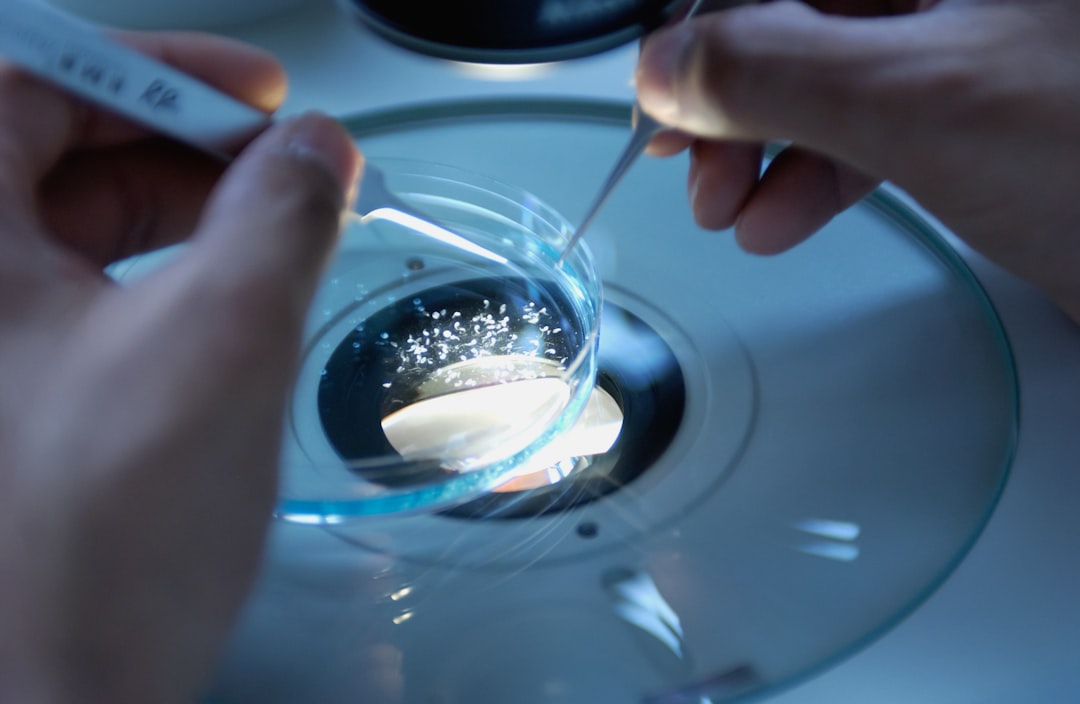
The eggs and sperm are combined in a laboratory to form an embryo.
Step 6: Embryo Culture
The embryo is cultured in a laboratory for 3-5 days to observe its development.
Step 7: Embryo Transfer
Embryo transfer is the final step in the IVF process, where the embryo is transferred to a woman's uterus.
Step 8: Pregnancy Confirmation
Two weeks after the transfer, a pregnancy test is performed to confirm whether the treatment was successful.
Success Rate and Influencing Factors

The success rate of IVF is influenced by multiple factors, including:
- Age: Women under 35 years old have a higher success rate
- Egg quality: High-quality eggs are crucial for successful fertilization
- Sperm quality: High-quality sperm are crucial for successful fertilization
- Uterine environment: The thickness and quality of the endometrium affect embryo implantation
For those seeking professional IVF services, institutions like F.I.R.S.T. (Florida Institute for Reproductive Sciences and Technologies) in Weston, US, with a Google rating of 5, offer IVF and donor egg services. Their team of reproductive endocrinologists provides personalized care to help patients achieve their dream of parenthood.
Additionally, Chicago IVF in Skokie, US, with a Google rating of 5, is known for setting the standard for fertility care with affordable pricing and high-quality services.
Conclusion
While the IVF process may seem complex, understanding each step can help you better prepare for a successful pregnancy. Choosing a professional IVF institution and reproductive specialist is a critical factor in determining the success rate. With the right care and support, you can increase your chances of achieving your dream of parenthood.