

A Comprehensive Guide to IVF: Achieving Your Dream of Parenthood
IVF, or In Vitro Fertilization, is a type of assisted reproductive technology that helps many infertile couples realize their dream of parenthood. Understanding the IVF process is a crucial step towards a successful pregnancy. This article provides an in-depth look at the IVF process.
What is IVF?
IVF, or In Vitro Fertilization, is a type of assisted reproductive technology that involves combining an egg and sperm in a laboratory to form an embryo, which is then transferred to a woman's uterus to help couples achieve pregnancy.
Indications for IVF
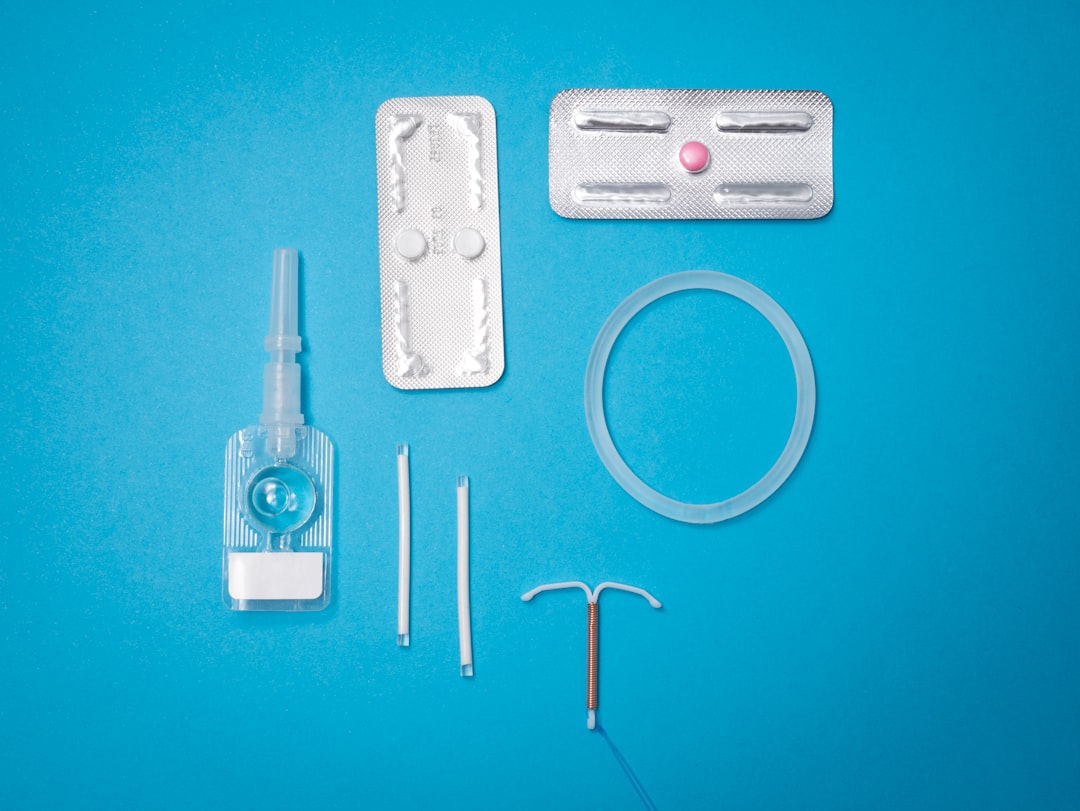
IVF is suitable for the following situations:
- Female tubal obstruction or removal
- Male poor sperm quality or low sperm count
- Unexplained infertility
- Same-sex couples or single women
Overview of the IVF Process
The IVF process typically includes the following steps:
1. Initial Consultation and Examination
Before starting the IVF process, you will need to have an initial consultation and examination with a doctor. The doctor will assess your physical condition to determine if you are suitable for IVF.
2. Ovulation Induction
Ovulation induction is the first step in the IVF process. The doctor will use medication to stimulate the ovaries to produce multiple mature eggs.
3. Egg Retrieval
Egg retrieval is usually performed after ovulation induction. The doctor will use ultrasound-guided needles to collect eggs from the ovaries.
4. Sperm Collection
The male partner will need to provide a sperm sample, which will be used to combine with the egg.
5. In Vitro Fertilization
The egg and sperm will be combined in a laboratory to form an embryo.
6. Embryo Culture
The embryo will be cultured in a laboratory for 3-5 days.
7. Embryo Transfer
The embryo will be transferred to the woman's uterus.
8. Pregnancy Test
A pregnancy test is usually performed about two weeks after the embryo transfer.
IVF Success Rates

IVF success rates depend on several factors, including the woman's age, egg quality, and sperm quality. According to data from the Centers for Disease Control and Prevention (CDC), IVF success rates are as follows:
- Women under 35: 47.7%
- Women aged 35-37: 37.4%
- Women aged 38-40: 23.4%
- Women aged 41-42: 13.3%
- Women over 43: 5.1%
Choosing an IVF Clinic
Choosing a good IVF clinic is crucial. You may consider the following factors:
- Doctor's experience and qualifications
- Clinic equipment and technology
- Patient reviews and reputation
Some renowned IVF clinics include F.I.R.S.T., a leading fertility clinic in Weston, Florida, with a 5-star rating on Google. Their team of reproductive endocrinologists offers a range of services, including IVF and donor egg services. Another option is Chicago IVF, which provides affordable fertility care with a 5-star rating on Google. For those in the Boston area, Fertility Solutions, PC in Dedham, Massachusetts, is a top-rated clinic with a 5-star rating on Google.
Summary
IVF is a type of assisted reproductive technology that helps many infertile couples realize their dream of parenthood. Understanding the IVF process is a crucial step towards a successful pregnancy. Choosing a good IVF clinic and doctor is essential. We hope this article helps you prepare and achieve your dream of parenthood.