
A Comprehensive Guide to IVF: Achieving Your Dream of Parenthood
IVF, or In Vitro Fertilization, is a type of assisted reproductive technology that has helped many couples overcome infertility and build their families. Understanding the IVF process is crucial to a successful pregnancy. This guide will walk you through every step of the IVF journey.
Introduction to IVF
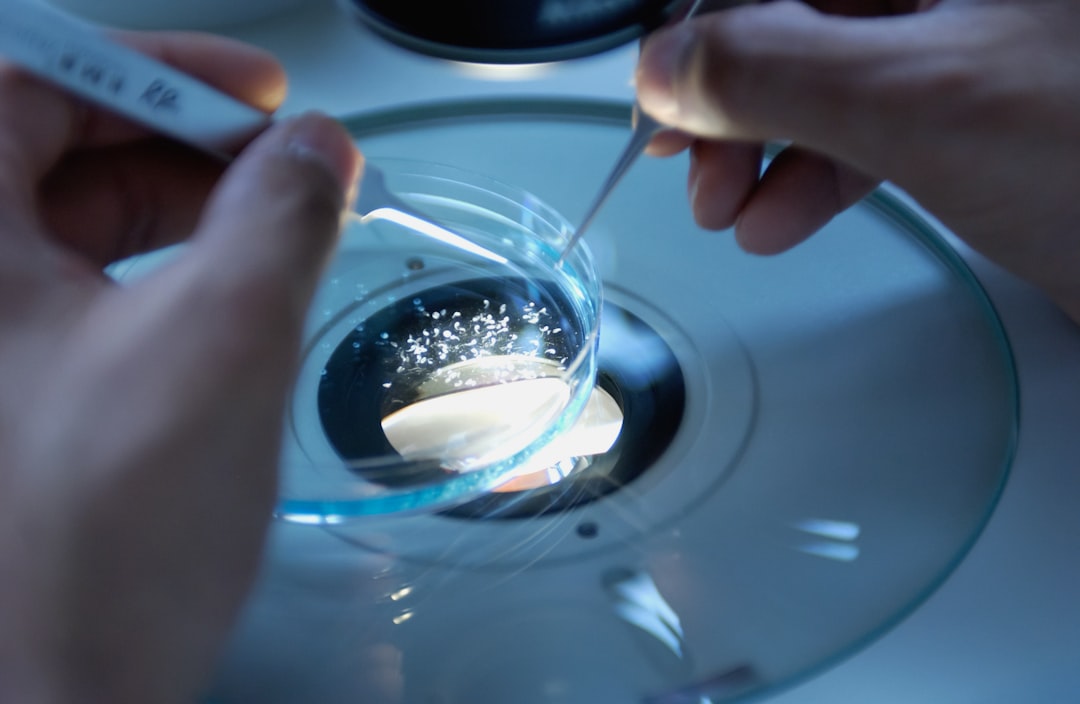
IVF, or In Vitro Fertilization, is a type of assisted reproductive technology that helps couples struggling with infertility achieve their dream of parenthood. This process involves combining an egg and sperm in a laboratory to form an embryo, which is then transferred to the woman's uterus.
Pre-IVF Preparations
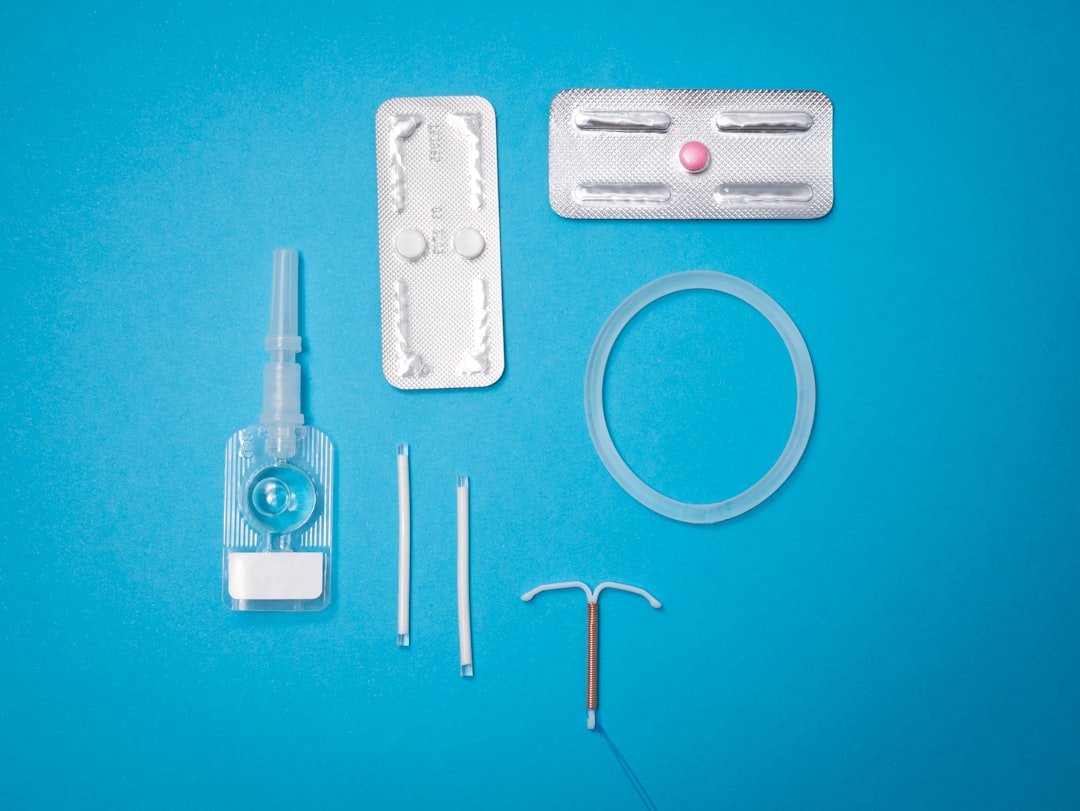
Before starting the IVF process, both partners need to undergo a series of tests and preparations. These tests include:
- Female: hormone level checks, ovarian function tests, and uterine lining checks.
- Male: semen analysis and hormone level checks.
The IVF Process
1. Ovulation Induction

The first step in the IVF process is ovulation induction treatment. This treatment involves injecting hormones to stimulate the ovaries to release multiple eggs, increasing the chances of fertilization.
2. Egg Retrieval
Once the eggs are mature, an egg retrieval surgery is performed. This surgery is usually done under local anesthesia, and the eggs are retrieved from the ovaries using vaginal ultrasound guidance.
3. Sperm Collection
At the same time, the male partner provides a sperm sample, which can be obtained through self-collection or surgical extraction.
4. Fertilization
The eggs and sperm are then combined in a laboratory to form an embryo. This can be done through conventional IVF fertilization or using Intracytoplasmic Sperm Injection (ICSI) technology.
5. Embryo Culture
The fertilized eggs are then cultured in a laboratory for 3-5 days to form an embryo. During this period, embryologists evaluate the embryo and select the best one for transfer.
6. Embryo Transfer
The final step in the IVF process is embryo transfer. The doctor transfers the embryo to the woman's uterus, usually without anesthesia.
Success Rates and Factors Affecting IVF
IVF success rates are influenced by several factors, including the woman's age, ovarian function, and uterine lining quality. Generally, women under 35 years old have higher success rates.
For those seeking professional IVF services, institutions like F.I.R.S.T. (Florida Institute for Reproductive Sciences and Technologies) in Weston, Florida, offer high-quality care with experienced reproductive endocrinologists and a 5-star Google rating. Their services include IVF and donor egg programs.
Conclusion
While the IVF process may seem complex, understanding each step can help you prepare for a successful pregnancy. If you have any questions or need further guidance, consider consulting reputable fertility clinics like Chicago IVF in Skokie, Illinois, or Fertility Solutions, PC in Dedham, Massachusetts, both with 5-star Google ratings. With the right support and care, you can increase your chances of achieving your dream of parenthood.