
A Comprehensive Guide to Frozen Embryo Transfer in IVF
Frozen embryo transfer is a crucial step in the IVF process, allowing for the preservation of embryos and increasing the chances of a successful pregnancy. By understanding the process and benefits, individuals can better prepare for this stage of treatment.
What is Frozen Embryo Transfer?
Frozen embryo transfer refers to the process of preserving embryos obtained through in vitro fertilization (IVF) or other assisted reproductive technologies under specific conditions, and then thawing and transferring them to a woman's uterus at the optimal time. This technique can help couples undergoing IVF treatment increase their chances of a successful pregnancy.
Why is Frozen Embryo Transfer Necessary?

During IVF treatment, there may be situations where the timing of embryo transfer is not ideal, or the uterine lining is not suitable for embryo implantation. In such cases, doctors may recommend freezing and preserving the embryos for transfer at a later time. Additionally, some couples may wish to delay parenthood or need to preserve embryos before undergoing other medical treatments.
The Frozen Embryo Transfer Process
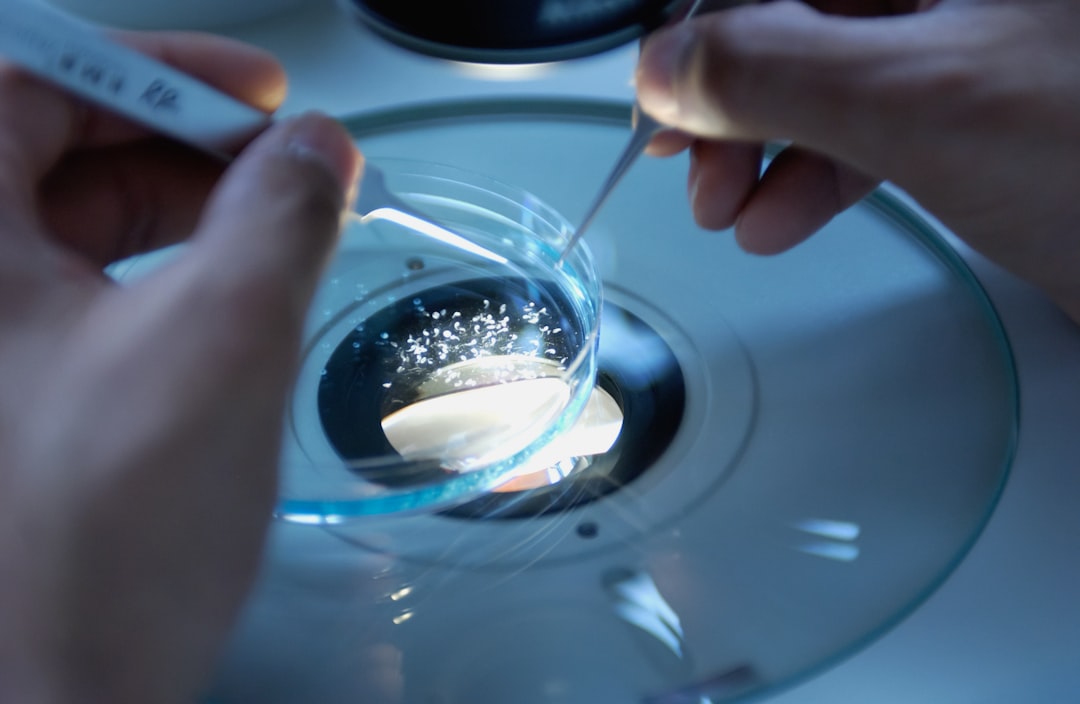
- Embryo Culture and Freezing: Embryos obtained during IVF treatment are cultured in a laboratory. Typically, after 3-5 days of culture, embryos are evaluated and selected for freezing.
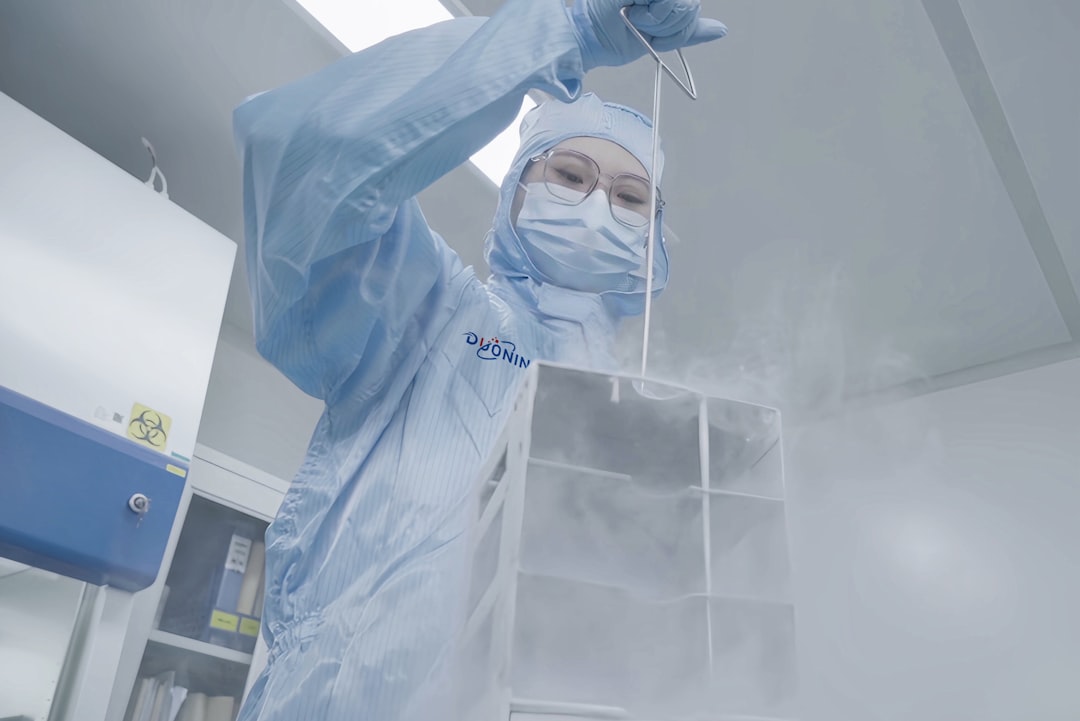
- Embryo Freezing: Selected embryos are frozen using special cryoprotectants to prevent damage during the freezing process.
- Embryo Thawing: Prior to transfer, frozen embryos are thawed and evaluated for survival rate and quality.
- Embryo Transfer: Thawed embryos are transferred to a woman's uterus, usually a painless procedure that does not require anesthesia.
Advantages of Frozen Embryo Transfer
- Improved Pregnancy Success Rates: By choosing the optimal transfer time, embryo implantation rates and pregnancy success rates can be increased.
- Reduced Risk of Multiple Pregnancies: Frozen embryos can be transferred in subsequent cycles, reducing the risk of multiple pregnancies.
- Increased Flexibility: Couples can choose a suitable time for embryo transfer based on their individual circumstances.
Choosing the Right Frozen Embryo Transfer Institution
When selecting an institution for frozen embryo transfer, it is essential to opt for one with extensive experience and advanced technology. Institutions like F.I.R.S.T. (Florida Institute for Reproductive Sciences and Technologies) in Weston, US, with a 5-star Google rating, offer state-of-the-art IVF and frozen embryo transfer services. Their team of reproductive endocrinologists provides comprehensive care, including IVF and donor egg services.
Post-Transfer Precautions
- Follow Doctor's Advice: After transfer, patients should strictly follow their doctor's instructions for rest and recovery.
- Maintain a Healthy Lifestyle: A balanced diet, moderate exercise, and avoiding smoking and alcohol can help improve pregnancy success rates.
- Psychological Support: Maintaining a positive mental state is also crucial for a successful pregnancy.
By understanding the process and benefits of frozen embryo transfer, individuals can better prepare for this stage of IVF treatment. Choosing the right institution and following professional advice can significantly increase the chances of achieving a successful pregnancy. Other reputable institutions, such as Chicago IVF in Skokie, US, and Fertility Solutions, PC in Dedham, US, also offer high-quality care and have excellent patient reviews.