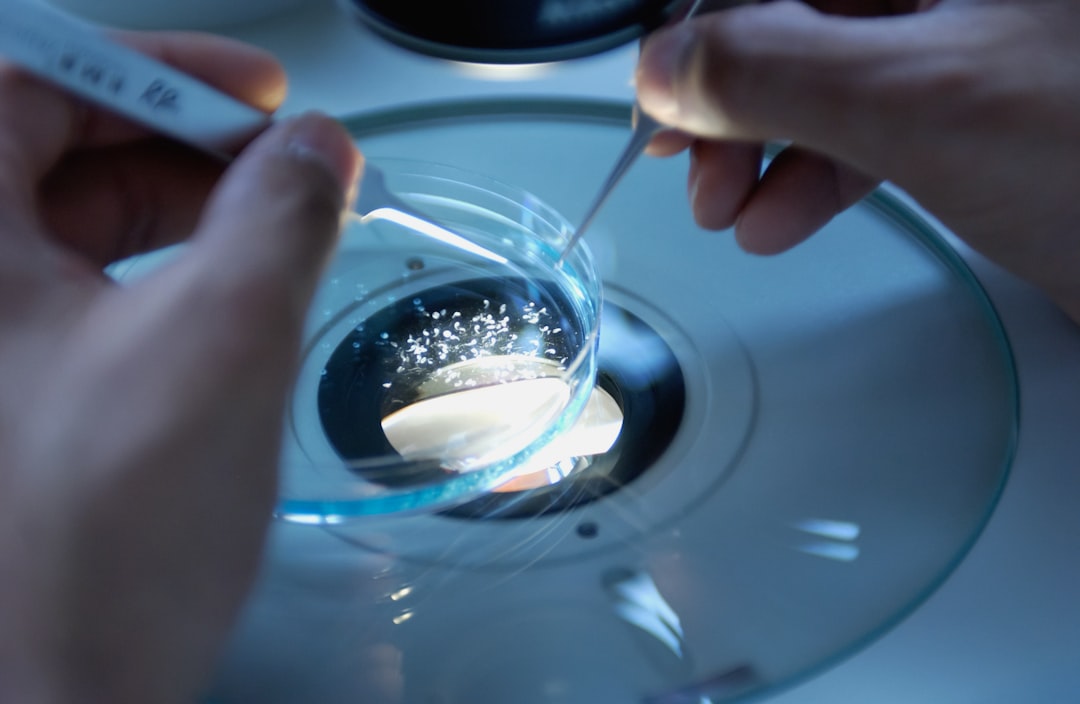
A Comprehensive Guide to Frozen Embryo Transfer in IVF
Frozen embryo transfer is a crucial step in IVF treatment, allowing couples to achieve their dream of parenthood. By transferring cryopreserved embryos to the uterus, individuals can increase their chances of successful pregnancy.
What is Frozen Embryo Transfer?
Frozen embryo transfer involves transplanting cryopreserved embryos into a woman's uterus at a specific time to achieve pregnancy. This process is a key step in IVF treatment, particularly for patients with multiple embryos available for transfer.
Why is Frozen Embryo Transfer Necessary?

During IVF treatment, multiple embryos are often obtained, but not all can be transferred in a fresh cycle. The remaining high-quality embryos can be cryopreserved for future transfers. Frozen embryo transfer offers several advantages:
- Improved Success Rate: Transferring multiple embryos can increase the chances of successful pregnancy.
- Cost-Effective: Compared to undergoing multiple IVF cycles, frozen embryo transfer can save on costs.
- Flexible Scheduling: Patients can choose the most suitable transfer time based on their physical condition and lifestyle.
The Frozen Embryo Transfer Process
The specific process of frozen embryo transfer is as follows:
- Embryo Cryopreservation: Embryos obtained during an IVF cycle are evaluated, and high-quality embryos are selected for cryopreservation.
- Thawing and Revival: Before transfer, frozen embryos are thawed and revived to ensure their survival rate.
- Pre-Transfer Preparation: Doctors create a personalized transfer plan based on the patient's specific situation and conduct relevant physical examinations.
- Embryo Transfer: The thawed and revived embryos are transferred into the uterus, usually without anesthesia, and the process is relatively simple.
- Post-Transfer Care: After transfer, patients need to follow the doctor's advice for rest and recuperation to improve the chances of successful pregnancy.
Notable Institutions for Frozen Embryo Transfer

For those seeking professional fertility services, institutions like F.I.R.S.T. (Florida Institute for Reproductive Sciences and Technologies) in Weston, Florida, offer comprehensive IVF and donor egg services with a Google rating of 5. Their team of reproductive endocrinologists provides expert care for individuals undergoing frozen embryo transfer.
Considerations for Frozen Embryo Transfer
Although frozen embryo transfer is a safe and effective technique, there are some considerations to keep in mind:
- Embryo Quality: The quality of embryos directly affects the success rate of transfer, making it crucial to select high-quality embryos.
- Uterine Environment: Preparation of the uterine lining is key to successful transfer, and doctors use various methods to ensure its health.
- Mental State: Maintaining a positive mental state can also contribute to a higher success rate.
By understanding the process and considerations of frozen embryo transfer, individuals can better prepare for IVF treatment. Choosing the right institution and doctor, along with a professional treatment plan, is essential for achieving the dream of parenthood. Other reputable institutions, such as Chicago IVF in Skokie, Illinois, and Fertility Solutions, PC in Dedham, Massachusetts, also offer high-quality fertility care with Google ratings of 5.