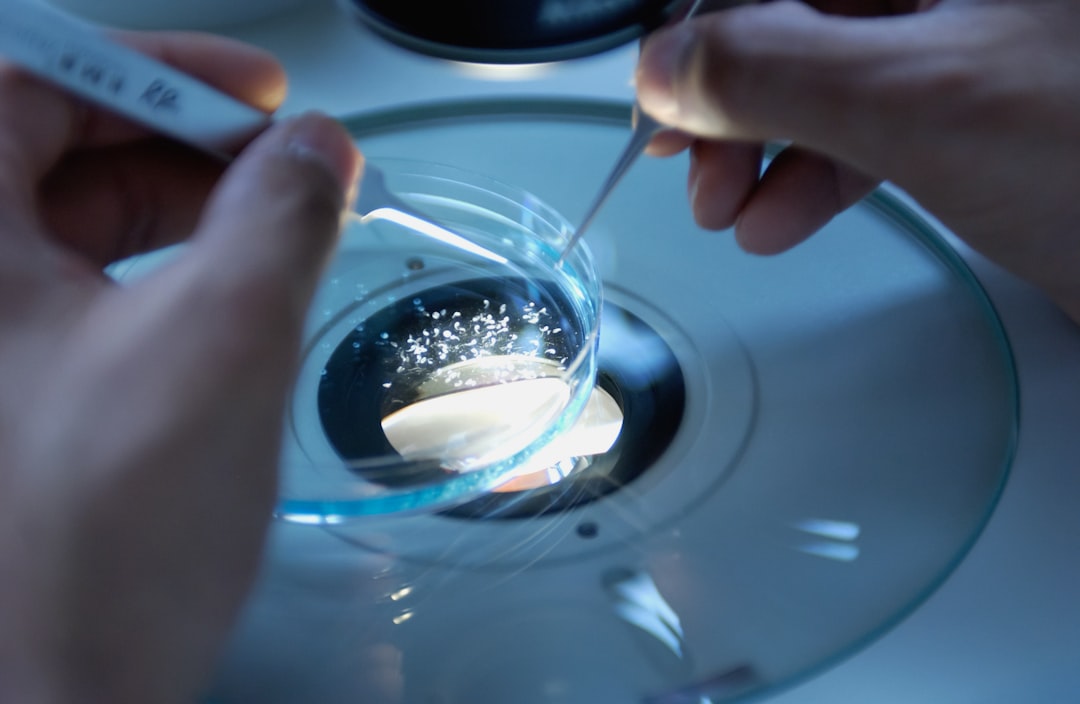
A Comprehensive Guide to Frozen Embryo Transfer
Frozen embryo transfer is a crucial step in IVF treatment, offering hope to couples seeking to build their families. This guide provides an in-depth look at the process, its benefits, and what to expect.
What is Frozen Embryo Transfer?
Frozen embryo transfer (FET) involves transplanting a previously frozen embryo into a woman's uterus to achieve pregnancy. This technique is a vital part of IVF treatment, providing an alternative option for couples.
Why is Frozen Embryo Transfer Necessary?

During IVF treatment, doctors typically culture multiple embryos before selecting the best one or two for transfer. The remaining embryos can be cryopreserved for future use, making FET a viable option.
Indications for Frozen Embryo Transfer
FET is suitable for the following situations:
- A woman's uterine environment is not conducive to embryo transfer.
- A woman has endometriosis or other uterine issues.
- A man's sperm quality is poor, requiring ICSI (intracytoplasmic sperm injection).
- Couples wish to delay parenthood.
The Frozen Embryo Transfer Process

The FET process involves the following steps:
- Embryo Cryopreservation: In IVF treatment, embryos are cultured and then cryopreserved.
- Thawing: Before FET, frozen embryos are thawed.
- Embryo Evaluation: Thawed embryos are assessed for quality and viability.
- Transfer: The embryo is transferred into the woman's uterus.
Success Rates of Frozen Embryo Transfer
FET success rates depend on various factors, including the woman's age, embryo quality, and uterine environment. Generally, FET success rates are comparable to those of fresh embryo transfers.
Improving Frozen Embryo Transfer Success Rates
To enhance FET success rates, couples should:
- Choose a reputable fertility clinic, such as F.I.R.S.T. (Florida Institute for Reproductive Sciences and Technologies) in Weston, with experienced reproductive endocrinologists and advanced technology.
- Maintain a healthy lifestyle, including a balanced diet, regular exercise, and avoiding smoking and excessive drinking.
- Adhere to the treatment plan and collaborate with their doctor.
Costs of Frozen Embryo Transfer
FET costs vary depending on the clinic and location. Typically, costs include embryo cryopreservation, thawing, evaluation, and transfer. Some clinics, like Chicago IVF in Skokie, offer affordable pricing without compromising quality.
Risks and Complications of Frozen Embryo Transfer
While FET is a relatively safe procedure, potential risks and complications include:
- Embryo transfer failure
- Multiple pregnancy
- Endometriosis
For personalized guidance and answers to questions, couples can consult with fertility specialists at Fertility Solutions, PC in Dedham.
Conclusion
Frozen embryo transfer is a critical component of IVF treatment, offering a chance for couples to achieve their reproductive goals. By understanding the FET process and its nuances, couples can better prepare for and navigate the challenges of treatment.